

Aluminum Work Boat Company: Crafting Durable Vessels for Marine Professionals
2026-08-03
When marine professionals demand reliability and longevity, aluminum work boats stand out as the preferred choice. Allheart, a name synonymous with precision craftsmanship, pushes the boundaries of durability with every vessel we build. But what truly separates an exceptional aluminum boat from the ordinary? At Allheart, we've honed a unique approach that combines innovative engineering with real-world practicality—ensuring your investment performs as hard as you do. Dive in to discover how our bespoke designs redefine what it means to work on the water.
Why Aluminum Excels in Marine Construction
Saltwater is relentless, gnawing away at most metals until they’re pitted and weak. But aluminum fights back with a natural oxide layer that seals itself when scratched, giving it a lifespan that steel or iron can only dream of in marine settings. This isn’t just about lasting longer—it’s about staying safe and maintenance-light over decades of pounding waves and UV exposure.
Lightweight yet tough, aluminum lets designers trim hundreds of pounds off hulls, docks, and gangways without sacrificing a scrap of structural integrity. That weight savings translates to better buoyancy, lower fuel burn on workboats, and simpler installation when you’re working from a barge. You’d be surprised how often the material’s strength-to-weight ratio is the quiet reason a project comes in under budget.
Then there’s the fabrication angle. Aluminum bends, welds, and extrudes into shapes that would leave steel weeping in the corner. Curved handrails, complex gangway trusses, sleek mooring components—all possible with standard tools, often right on site. It’s this mix of corrosion resistance, agility, and workability that has shipwrights and dock builders quietly preferring it for decades.
Engineering Toughness for the Open Water
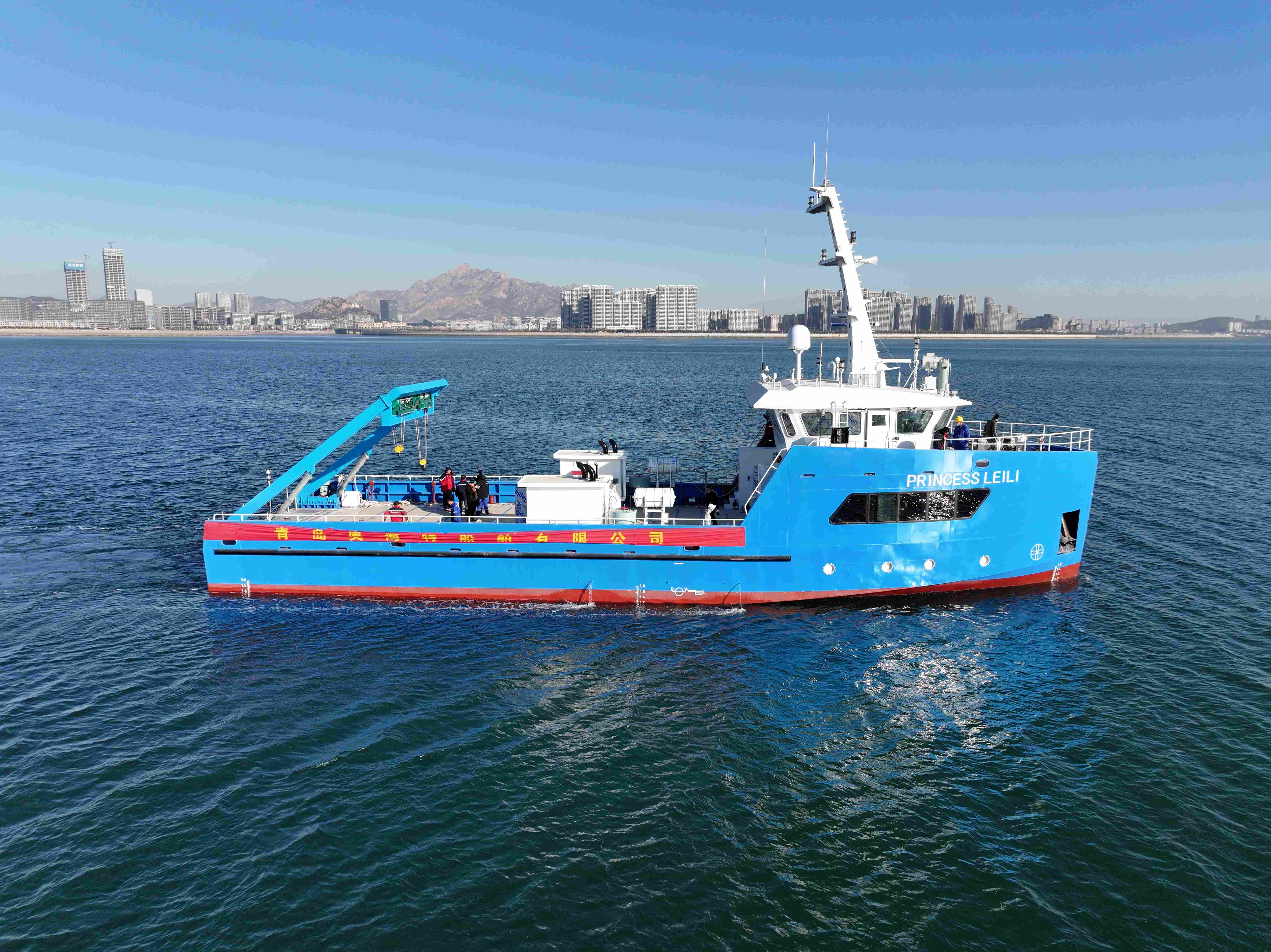
Crafting vessels that shrug off the relentless assault of waves and salt demands more than just heavier materials. It’s a deliberate dance between flexibility and brute strength, where every weld, every fastener, is chosen to absorb punishment without passing it on to the hull. The trick is in letting the structure give just enough—like a skyscraper swaying in the wind—so that peak loads from a rogue crest don’t find a brittle edge to exploit.
Beneath the glossy topcoat, the real battle is against corrosion that never sleeps. Engineers build in sacrificial layers, not as an afterthought but as a core strategy, turning potential failure points into predictable wear. Coatings are chosen for their ability to creep into microscopic crevices, where oxygen and moisture conspire. It’s about accepting that the sea will always take a little, and making sure it takes the replaceable bits first.
In open water, isolation breeds resilience. Systems are decentralized, with backups that don’t just mirror primaries but stand ready to reroute function through completely different pathways. A pump might swap roles with a steering module, thanks to fluid power networks designed for improvisation. The goal isn’t to prevent every break but to ensure that any single break never cascades into catastrophe.
Tailored Vessels for Specialized Tasks
Building a ship to order is not just about size or speed; it’s about weaving the vessel’s every dimension, system, and material choice directly into the operational DNA of the task at hand. An Antarctic research icebreaker, for instance, demands a hull form and propulsion arrangement that can shoulder through multi-year ice without crushing, while keeping vibration low enough not to disrupt sensitive sonar arrays. The same basic ship type, repurposed for polar tourism, would trade some scientific quietness for panoramic lounges and stabilizer fins, proving that tailored design starts from the first line of the hull and reaches into every onboard comfort.
The real art emerges when vessels must perform contradictory roles without compromise. Consider a humanitarian aid ship that needs to operate in shallow, uncharted harbors one month and then sprint across open ocean with heavy relief cargo the next. This pushes naval architects toward variable ballast systems, retractable thrusters, and modular hold configurations that can be re-rigged between trips. It’s not enough to bolt on equipment—the very architecture of the vessel must flex. Custom rudder profiles and computer-modeled wakes can even reduce fuel consumption by double-digit percentages when the operating profile is known in advance, turning efficiency into a tailored asset rather than a generic goal.
Beyond the steel and electronics lies an often-overlooked tailored element: the human interface. A fishery patrol vessel built for all-weather surveillance will position its bridge wings and engine controls quite differently from a dive support ship, where station-keeping precision and crane visibility take priority. Crew feedback loops during early design stages have proven to cut down operational fatigue and maintenance errors years later. When every porthole placement, deck winch location, and ventilation trunking path is matched to a precise workflow, the specialization isn’t just a luxury—it’s what separates a tool from a truly capable extension of the crew’s mission.
A Refined Approach to Boat Building
Building a boat that truly lasts demands more than just following a set of plans. It requires a willingness to question every step, from the lofting floor to the final coat of paint. A refined approach means stripping away unnecessary complexities while doubling down on the details that actually matter: hull fairness, structural continuity, and the seamless integration of modern materials where they make sense. It’s not about reinventing the wheel, but about polishing every spoke until it spins without friction.
This mindset shifts the focus from mere assembly to thoughtful construction. For instance, instead of relying solely on mass-produced fiberglass components, a builder might opt for vacuum-infused laminates that reduce weight without sacrificing strength. Joinery gets the same scrutiny—scarf joints are calibrated to distribute stress, and bulkhead placements are adjusted based on real load paths rather than convention. Even the choice of fasteners and sealants is guided by how they will perform together over decades, not just on launch day.
What emerges is a vessel that feels right from the first time you step aboard. There’s a quiet confidence in its motion, a lack of needless flex or creaking. A refined build doesn’t just improve performance; it deepens the connection between the boat and the water, making every voyage a more intuitive and rewarding experience. That’s the quiet reward of sweating the small stuff long before the hull ever touches the sea.
Meeting the Demands of Industry Veterans
Veterans don't need hand-holding—they need precision. They've seen the flashy demos and heard the empty promises, so what actually lands is a system that speaks their language: fewer clicks, deeper customization, and an interface that gets out of their way. We focus on building workflows that match the muscle memory of someone who's been in the trenches for a decade, not a first-time user still learning the basics. This means configurable dashboards that show exactly what they care about, shortcuts that bypass the fluff, and documentation that assumes competence rather than explaining the obvious.
Seasoned professionals also crave ownership. They don't want to be locked into a rigid structure that treats every user like a novice. That's why our platform offers granular permission tiers, advanced scripting hooks, and the ability to override defaults without jumping through hoops. We've learned that respecting their expertise translates into faster adoption and genuine advocacy. When a veteran can tweak a report, automate a tedious sequence, or integrate a niche tool without filing a support ticket, you've earned their trust—and they'll stick around.
But the real differentiator is listening to feedback that doesn't come in polite surveys. We invite a rotating group of power users to stress-test early builds, and we act on the unvarnished criticism they dish out. It's not just about adding features; it's about removing the friction that accumulates over years of updates. By treating experience as a design constraint, we've ended up with a product that feels less like a generic SaaS tool and more like a craftsman's set of instruments—evolving exactly where it matters most.
Advancing Work Boat Performance
Modern work boats face relentless demands—tight schedules, shifting cargo, and rough waters that punish mediocre design. The real edge often lies in how hull dynamics and propulsion systems work together under stress. By refining the interplay between thrust, drag, and trim, operators can unlock speed without pushing fuel costs through the roof.
Lightweight composite materials have reshaped what’s possible, shedding weight while shrugging off corrosion that plagues traditional steel hulls. It’s not just about raw power anymore; smart energy storage and hybrid drives let crews run quietly in harbors and then pour on horsepower when open seas call for it.
Practical upgrades like adaptive stabilizers and optimized propeller geometries aren’t flashy on paper, but at sea they translate into steadier decks and fewer gear repairs. The cumulative effect is a fleet that spends more time working and less time waiting at the dock, which is ultimately what keeps owners in business.
FAQ
They focus on aluminum work boats built to handle demanding marine tasks. These vessels are designed for professionals like harbor pilots, rescue teams, and offshore operators who need reliability under tough conditions.
Aluminum offers an excellent strength-to-weight ratio, corrosion resistance, and easy maintenance. It stands up to saltwater better than steel and requires less upkeep than fiberglass, making the boats lighter, faster, and more fuel-efficient.
Exceptionally durable. The hulls are welded to form a watertight, rigid structure that can absorb impacts without cracking. With proper care, they last for decades even in heavy commercial use.
Yes, customization is a core part of what they do. You can configure deck layouts, add specialized equipment mounts, choose cabin styles, and adapt the hull for diving, surveying, firefighting, or transport.
Marine professionals across industries: port authorities, law enforcement, aquaculture farms, research institutes, and anyone whose work on the water demands a no-nonsense, tough boat that gets the job done safely.
The range typically spans from compact 18-foot skiffs to around 40-foot crew boats. Most are trailerable, which adds flexibility for operations in different locations.
Every boat features deep gunwales, non-slip decks, robust handrails, and sealed buoyancy chambers or foam-filled voids. These elements help keep crew safe, even when the weather turns rough or the deck gets slick.
Absolutely. They offer maintenance guidance, spare parts, and repair services to keep vessels in top shape. Many clients stay in touch long after the initial purchase because the company stands behind its work.
Conclusion
At Aluminum Work Boat Company, the choice of aluminum as the primary material is no accident. This metal brings a rare combination of lightness and rugged strength to marine construction, resisting corrosion in the harshest saltwater environments without the constant maintenance that steel demands. The engineering philosophy here goes beyond simple durability—every hull is designed to absorb the relentless pounding of open water, with reinforced plates and intelligent framing that turn brutal impacts into manageable stress. Whether it’s a nimble patrol craft or a heavy‑duty barge, the team tailors each vessel precisely to the task at hand, integrating custom deck layouts, specialized equipment mounts, and optimized storage so that professionals can work efficiently from the moment they step aboard. The refinement doesn’t stop at the blueprint; a meticulous build process couples experienced hand‑welding with modern precision, ensuring that every seam and fitting speaks to a legacy of quality.
This dedication shines through when the vessels face the people who know the water best—industry veterans who demand reliability in conditions where failure is not an option. Feedback from these seasoned operators shapes continual improvements, pushing the envelope in performance and ergonomics to reduce fatigue during long shifts. By advancing work boat capabilities through smarter design and purposeful innovation, the company doesn’t just sell a boat; it delivers a dependable tool that professionals can trust year after year, carving a reputation that stands out in a sea of ordinary builders.
Contact Us
Contact Person: Benny Hu
Email: [email protected]
Tel/WhatsApp: +8618354225697
Website: https://www.allheartmarine.com/