

Bead Wire Ring Production Line Vendor Guide: Building a Dependable Supply Chain
2026-11-02
Your bead wire ring production line is only as reliable as the supply chain behind it. Many buyers focus on equipment specifications, yet overlook the vendor decisions that determine long-term uptime, spare parts availability, and field support. This guide moves beyond basic checklists to examine what actually builds resilience. Along the way, we highlight why forward-thinking manufacturers choose partners like AUGU AUTOMATION—not just for machinery, but for a supply relationship that holds up when it matters.
Vendor Audits That Go Beyond the Factory Tour
Most audits start and end at the reception area, but that only confirms what the vendor wants you to see. A more useful approach begins weeks before the visit, pulling purchase orders, shipping records, and quality complaints side by side. If the paperwork shows last-minute schedule changes or a spike in overtime right before your arrival, that is a signal worth chasing.
Once on site, skip the polished conference room. Ask to see the receiving dock an hour before the shift starts, or sit with the line supervisor during a changeover. Watch how nonconforming parts get tagged and where they actually go. One client found a rework corner tucked behind finished goods that never appeared on the official floor plan, with parts dated from two production runs earlier.
After the walkthrough, talk to people away from management. A brief conversation with a forklift driver or a third-shift inspector often reveals more than any audit checklist. Ask about tooling problems, rush orders, or what happens when a batch fails testing. Then compare those answers with the corrective action reports you requested. If the stories do not match, you have found the real audit.
Why Line Speed Claims Fall Short in Real Production
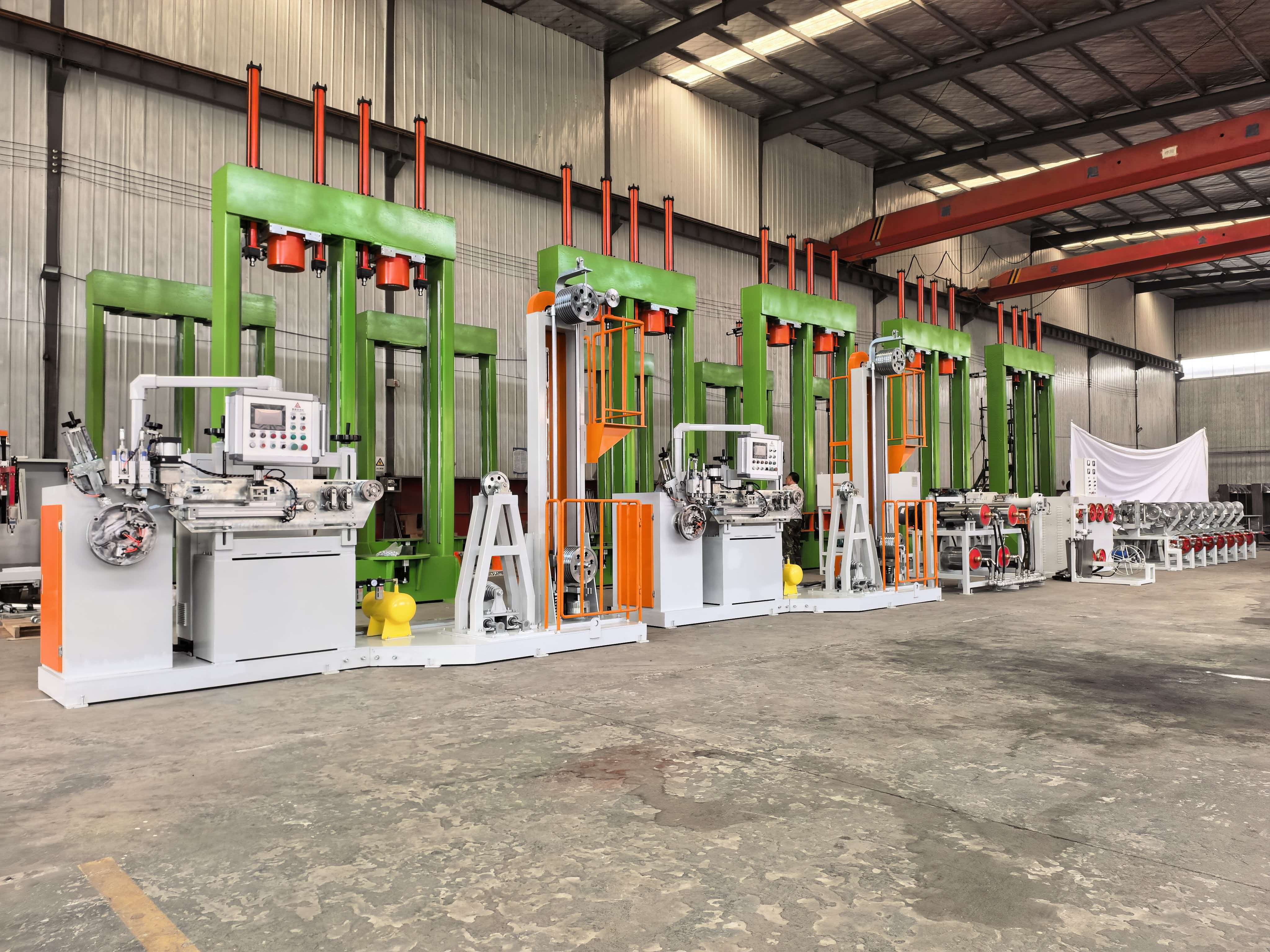
Rarely does a packaging line run at the speed printed on the equipment spec sheet. Those figures typically come from controlled trials using a single, consistent product and freshly calibrated components. On an actual production floor, the line inherits every quirk of the facility: slightly misaligned conveyors, product that varies from batch to batch, and operators making safety-driven adjustments that no benchmark test ever accounts for.
What really drags down throughput are the small interruptions nobody puts in a brochure. A label sensor needs a wipe, a worn guide causes a jam, a changeover to a new SKU eats forty minutes, and quality checks force temporary slowdowns. Individually these seem trivial, but across an eight-hour shift they can easily knock 20% off the headline speed. Multiply that by three shifts and fifty weeks, and the projected annual output becomes a fantasy.
Experienced engineers now routinely derate vendor speed claims by 15–25% when planning capacity. The gap isn’t always dishonest marketing; it’s the difference between a clean test bench and a messy, interconnected line. Focusing on overall equipment effectiveness rather than maximum rated speed gives a far more honest picture of what a line will actually deliver.
The Hidden Costs of a Low-Bid Bead Wire Ring Line
A low sticker price on a bead wire ring line usually means corners were cut in places that don't show up until production starts. Undersized servo drives overheat during sustained runs, guide rollers wear unevenly, and pneumatic clamps lose pressure after only a few weeks. Each minor fault triggers an unplanned stop, and the line that looked like a bargain quickly becomes the reason your curing room is waiting for rings.
Quality drift is another cost that rarely appears in the quotation. Without closed-loop tension control, the wire winds tighter on one side of the ring, and weld flash trimming becomes inconsistent as tooling wears. You end up with rings that pass a quick visual check but fail at the tire building drum or, worse, in the field. Those hidden rejects eat into margin faster than any upfront saving can offset.
Then there is the expense of keeping the line running. Spare parts for a low-bid machine are often sourced from multiple small vendors, with no local stock and weeks of lead time. Energy consumption per ring runs higher because motors and heat sealing units are not optimized. When you factor in the retrofit needed to add automatic inspection or remote diagnostics, the total cost of ownership can be double or triple the original price difference.
Proving Capacity Before You Commit to a Vendor
A vendor's sales pitch rarely reveals the truth about their operational limits. Before you sign anything, ask for concrete evidence: recent project timelines, staffing rosters, or even a walkthrough of their current workload. Numbers on a slide deck don't ship orders—people and processes do.
Push for a trial run or a phased rollout. Have them handle a small but representative slice of your demand while you measure turnaround, error rates, and communication under real conditions. A vendor who hesitates to prove capacity on a limited scale is often signaling that their full-scale promises are guesswork.
Finally, check references beyond the cherry-picked list. Speak directly with past clients who had similar volume spikes or tight deadlines. Ask how the vendor behaved when things went wrong—capacity isn't just about meeting expectations, it's about recovering gracefully when reality bites.
Contract Clauses That Keep Your Supply Chain Flexible
Most supply contracts lock you into fixed volumes and rigid delivery schedules, but a handful of carefully written clauses can turn them into tools for adaptation. A volume flexibility clause, for instance, lets you adjust order quantities within an agreed range without renegotiating the whole deal. Pair that with a price adjustment mechanism tied to raw material indexes or currency shifts, and sudden cost swings stop becoming contract disputes. The goal isn't to remove commitments—it's to make the terms breathe when demand or input costs move.
Force majeure gets most of the attention, yet the real flexibility often comes from less dramatic provisions. Look for a termination for convenience option with reasonable notice, an alternate sourcing clause that activates when a supplier's lead times slip, and a change management process that doesn't require executive sign-off for every tweak. Each of these reduces the friction of responding to port delays, demand spikes, or a supplier's production hiccup without triggering a formal breach.
The strongest contracts also define how flexibility is paid for. A tiered pricing structure or a small premium for the right to shift volumes can be cheaper than holding excess inventory or paying expedited freight during a disruption. When negotiating, push for clauses that specify response times, data-sharing duties, and clear triggers rather than vague promises to "work together." That level of detail turns a generic safeguard into an operational playbook your logistics team can actually use.
Creating a Backup Vendor Bench Without Offending Partners
Building a secondary vendor roster often feels like walking a tightrope. The key is to frame it as business continuity rather than a loyalty breach. Tell your primary partners upfront that you maintain a diversified supplier base to protect against supply shocks, quality dips, or capacity crunches. When framed as risk management, most seasoned vendors understand.
Instead of hiding the process, bring your main vendors into the conversation. Ask them what gaps they see in their own delivery and where a specialist backup might reduce pressure on them. This turns a potentially awkward conversation into a collaborative planning session. Often, a primary vendor will even recommend a competitor for niche work, knowing that your stability benefits everyone.
Finally, keep the backup bench warm without fanfare. Send small, low-stakes orders to secondary vendors periodically, so they stay responsive and understand your specs. Avoid public comparisons or bidding wars that pit partners against each other. Quiet consistency builds resilience without raising eyebrows.
FAQ
Look for in-house proof of winding tension control, closed-loop diameter measurement, and automatic weld flash removal rather than a catalog listing. A dependable vendor should also share cycle time data at your required bead diameter and wire gauge, not just a maximum speed figure, because consistency at changeover points usually determines real output.
Request a sustained dry run using your own wire and coating specifications, with at least four hours of uninterrupted operation. Measure ring diameter, ovality, and weld strength at fixed intervals. If the vendor hesitates to run your material or limits the test to short bursts, treat the quoted tolerance as unproven.
Dependence on proprietary servo drives, custom sensors, or single-source controllers tends to create long downtime later. Ask for a full bill of materials with at least two approved alternative brands for critical electrical and pneumatic components. Also confirm whether spare part pricing is locked for a set period after commissioning.
A bead wire ring line rarely fails cleanly; problems usually appear as intermittent diameter drift or inconsistent weld pressure. A vendor with local service engineers and remote diagnostics can resolve these within hours, while a lower-priced supplier without that network can leave a line idle for days. Over a five-year operating window, downtime cost usually outweighs a modest upfront saving.
If the infeed and takeaway systems are treated as separate add-ons, coil tension and ring stacking will create bottlenecks. A dependable vendor designs the pay-off, accumulator, winding station, and stacking unit as one synchronized system, with sensors that stop the line before a tangle or misaligned ring can damage tooling.
Besides dimensional checks, the FAT should run the line at the contracted rate with the actual wire grade and bead diameter range you will use. Include abrupt stop-start cycles, coil changeovers, and a minimum of two hours at peak speed. Document weld strength samples and have the vendor sign off on the measured ovality, not just a pass/fail indicator.
Vague answers about spare parts inventory, constant reference to 'standard configuration' when you request changes, and no direct access to the engineering team are strong warnings. Also be cautious if the vendor cannot name reference customers running similar bead profiles in the last three years or if their commissioning timeline lacks a clear mechanical and electrical sign-off procedure.
Conclusion
Selecting a bead wire ring production line vendor often starts with a polished plant visit, but a dependable supply chain demands digging into the operational realities behind the tour. A meaningful audit checks maintenance logs, spare parts inventory, and how the vendor handles rush orders or raw material shortages—not just whether the floors are clean. Similarly, quoted line speeds rarely survive contact with actual production conditions. Variability in wire tensile strength, ring diameter changeovers, and operator fatigue can slash throughput, so buyers should ask for data from comparable installations running the same product mix over a full shift. Chasing the lowest bid adds its own quiet costs: under-specified drives that overheat, flimsy guides that wear out mid-run, and controls that need constant babysitting. These failures don't show up in the purchase order, but they surface as scrap, downtime, and emergency service calls.
Capacity claims deserve proof before any contract is signed. Request a supervised trial run with your actual wire and ring specifications, then measure output, defect rates, and tooling wear against the vendor's numbers—not a glossy brochure. Smart contracts keep that rigor alive after installation. Include clauses that tie final payment to sustained performance over a 90-day window, allow you to shift delivery dates without penalty if market demand changes, and secure access to the vendor's engineering drawings and control software source code if they exit the business. Finally, don't wait for a crisis to build a backup vendor bench. Start by sending small, non-critical orders to a second or third supplier, share your quality standards openly, and frame it as supply chain resilience rather than distrust. Most partners will accept the arrangement if you're transparent and keep the primary relationship intact.
Contact Us
Contact Person: Lareina
Email: [email protected]
Tel/WhatsApp: +86 17561696737
Website: https://www.auguauto.com/