

China Aromatic Hydroxy Intermediate: Key Applications and Market Trends
2026-09-01
Few people realize that the medicines they trust and the dyes in everyday products often start with a single class of compounds: aromatic hydroxy intermediates. As the world’s manufacturing powerhouse, China now plays a defining role in their supply—but capacity is only half the story. In this post, we unpack the key applications fueling demand and the market shifts that forward-thinking buyers are watching. For a closer look at how these intermediates move from reactor to real-world use, DSL Chemicals offers field-tested expertise and reliable sourcing.
Drug Synthesis Routes Leaning on High-Purity Hydroquinone and Catechol
High-purity hydroquinone and catechol play distinct but complementary roles in medicinal chemistry, often acting as redox-active or ortho-difunctional aromatic cores. Hydroquinone's reversible two-electron oxidation to benzoquinone makes it a versatile intermediate for constructing quinone-containing pharmacophores found in several anticancer and antimicrobial agents. Catechol, with its adjacent hydroxyl groups, readily forms cyclic acetals, ethers, or metal chelates, enabling the assembly of catecholamine-like scaffolds and benzodioxole moieties. Impurities at even low levels, such as trace transition metals or oxidized byproducts, can initiate unwanted radical chain reactions or deactivate sensitive catalysts, so high purity is not merely a specification but a practical requirement for reproducible yields.
A common synthetic route leverages hydroquinone as a protected 1,4-dihydroxybenzene equivalent. For example, selective mono-protection followed by Mitsunobu coupling with a chiral amino alcohol gives intermediates for beta-blocker analogs without over-alkylation. In another pathway, high-purity hydroquinone undergoes clean oxidation to benzoquinone, which then participates in a Diels-Alder or Michael addition to construct fused tricyclic systems used in antiproliferative leads. Catechol, on the other hand, is frequently converted to its methylenedioxy derivative before introducing a side chain, a strategy that improves regiocontrol in syntheses of dopamine receptor agonists or monoamine oxidase inhibitors. If the starting catechol contains polyphenolic impurities, these can form dark polymeric tar during protection, lowering yields and complicating isolation.
Process chemists often set incoming purity at or above 99.5% for both compounds, with additional limits on quinone content and metal residues. This reduces the need for in-house resublimation or recrystallization and keeps impurity profiles consistent across batches. Storing the materials under inert atmosphere and away from light further preserves their reduced state. Ultimately, routes built around high-purity hydroquinone and catechol tend to show fewer side products, cleaner phase separations, and more predictable scale-up behavior, making them attractive for early development and GMP manufacturing.
Crop Protection Formulas Demanding Tighter Specs on Phenolic Intermediates
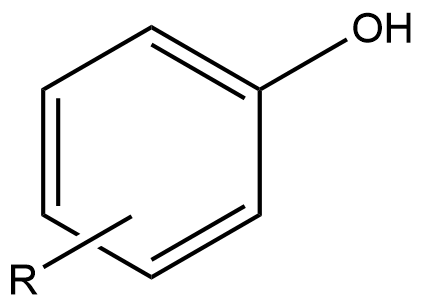
Phenolic intermediates once tolerated as minor byproducts in agricultural synthesis now sit at the center of quality disputes. A shift toward lower-dose, high-load actives has pushed formulators to reject batches that would have passed inspection a decade ago. Trace chlorophenols, isomeric drift, and residual catalyst metals no longer hide behind broad “technical grade” labels, because even parts-per-million variation changes tank-mix stability and leaf uptake.
The tighter specs are not merely a paperwork exercise. Suppliers are being asked to document lot-specific impurity profiles, often down to 0.05% for mono- versus di-substituted phenols. Buyers in the fungicide and herbicide segments now correlate those profiles with field performance—especially where surfactants or adjuvants amplify minor differences. A phenolic intermediate that looks identical by standard titration can still fail when a single unidentified peak appears in HPLC at 0.1 area percent.
Production teams are responding by redesigning nitration and sulfonation steps around narrower temperature bands and cleaner quenching. Some have moved to continuous-flow reactors to cut side reactions that used to be managed by over-purification later. The result is a quietly bifurcated supply base: those who can hold tighter specs on phenolic intermediates gain long-term contracts, while those who treat them as commodity building blocks face more rejections and rework.
Epoxy and Polycarbonate Pull When Downstream Growth Redraws Capacity Plans
Downstream expansion is redrawing the traditional capacity map. Demand pull for epoxy and polycarbonate no longer follows the old linear rhythm, but is now tightly tied to fluctuations in electronics, automotive lightweighting, and new energy installations.
As capacity investment plans are forced into reassessment, the supply-side response of the two materials diverges. Epoxy relies more on quarterly orders from wind blade and coatings segments, while polycarbonate capacity digestion is concentrated in optics and medical consumables. This structural difference makes a single capacity forecasting model ineffective.
In actual procurement, downstream customers are less tolerant of delivery cycle changes and grade switching, pushing producers to reserve more flexibility in compounding modification and recycled material substitution. Capacity planning is therefore no longer just a scale issue, but a supply chain management test of rapid response to short-term demand signals.
Wastewater and Permits as the Hidden Cost That Moves Production Inland
For years, coastal industrial parks looked like the obvious choice—deep-water ports, cheap freight, and a labor pool fed by migration. But the math on water has quietly flipped. A single mid-size textile mill discharging a few thousand cubic meters of dyed effluent per day can spend more on pretreatment, monitoring, and municipal sewer fees than on electricity and fuel combined. Every tightening of the discharge standard forces another retrofit: membrane bioreactors, reverse osmosis polish, zero-liquid-discharge evaporators that guzzle energy. The result is that the marginal cost of producing near the coast creeps upward, not because of wages or land, but because each liter of wastewater now carries a hidden price tag that few site-selection models capture.
Permitting adds a second, slower toll. Coastal provinces no longer hand out discharge permits for textile, leather, or electroplating without multi-year waits, public hearings, and strict total-load caps tied to river basin cleanup targets. Inland prefectures, competing for investment, often fast-track the same permits by folding new capacity into existing industrial parks or by building centralized treatment plants with subsidized rates. For a factory that runs 24/7, even a six-month difference in permit approval can shift a decade of operating costs. Once a company factors in the real price of water—intake fees, effluent levies, sludge disposal, and the risk of a shutdown over a single exceedance—the “cheap” coastal plot no longer looks cheap.
The quiet migration inland is thus less about chasing lower wages than about escaping the cumulative weight of environmental compliance at the coast. A dyehouse in Anhui or Henan may pay slightly more for trucking its finished fabric to Shanghai, but it saves ten times that amount on wastewater treatment and permit risk. This is the hidden cost that rarely shows up in public announcements: not a dramatic ban, but a thousand small, bureaucratic, technical surcharges that slowly push production toward the river’s middle and upper reaches, where water is still priced as a raw material rather than as a liability.
Export Differentiation Through Traceability and Custom Blends Over Commodity Phenol
In a market where commodity phenol often trades on price alone, traceability offers a concrete way to stand apart. Buyers in regulated sectors—think pharmaceuticals or specialty resins—increasingly demand proof of origin, production methods, and chain of custody. By providing batch-level documentation that follows the product from feedstock to final shipment, an exporter can turn what is typically an invisible bulk chemical into a verifiable, high-integrity input. This isn't just paperwork; it's a signal that the material meets the same standards every time, which builds a level of trust that commodity suppliers rarely achieve.
Custom blends push that differentiation further. Instead of shipping a one-size-fits-all phenol, you work directly with clients to adjust purity profiles, inhibitor packages, or even packaging formats to fit their exact process. A resin manufacturer might need a slightly lower moisture spec, while a pharmaceutical intermediate producer wants a specific stabilizer added before transport. These tailored adjustments are small in cost but large in perceived value—they remove steps from the customer's own handling and reduce their risk of batch rejection. Over time, this shifts the conversation from cents per kilogram to total process reliability.
The combination of traceability and custom blending changes the export strategy from chasing volume to protecting margin. Rather than competing head-to-head with low-cost commodity phenol from regions with fewer regulatory burdens, you create a product that is difficult to replicate quickly. Customers who depend on your documentation trail and your specific blend won't switch suppliers over a minor price fluctuation. That stickiness is what turns a commodity chemical into a differentiated export offering, one that can command premium pricing and sustained demand even when global phenol capacity is oversupplied.
Spot Pricing Signals Hidden in Benzene Spreads and Plant Turnarounds
Benzene spreads rarely move in isolation. When a plant turnaround ripples through the supply chain, the pricing signal often appears weeks before the official maintenance notice hits the market. Traders who track the gap between benzene and its feedstocks—particularly toluene and reformate—can spot abnormal widening or narrowing that doesn't align with seasonal norms. That deviation is frequently the first whisper of an unplanned outage or an extended shutdown at a downstream styrene or cumene unit.
The interplay gets sharper when you layer in regional inventory data. A sudden drop in Gulf Coast benzene stocks, combined with a stubbornly wide benzene-toluene spread, points to demand destruction that hasn't yet surfaced in contract negotiations. Spot buyers tend to react faster than term customers, and their bids often compress the spread in ways that look irrational until you realize a major phenol or caprolactam plant is quietly reducing run rates. Watching the physical premium for prompt benzene over forward-month pricing reveals whether the market is pricing in a turnaround that producers haven't publicly confirmed.
Experienced traders also watch the ratio of benzene to naphtha. When that ratio spikes without a corresponding jump in crude or reformer margins, it usually means a catalytic reformer is running light on aromatics production—often because a competitor's unit just tripped. These hidden signals don't require inside information; they demand reading the spreads as a real-time map of plant health. The key is to ignore the headline prices and focus on the relationships that only move when something physical changes in the cracking or extraction side of the aromatics complex.
FAQ
These are aromatic compounds carrying one or more hydroxyl groups attached to a benzene or naphthalene ring—think phenol derivatives, cresols, naphthols, hydroxybenzoic acids. Their importance comes from the reactive hydroxyl group, which opens up routes to ethers, esters, and polymers, making them building blocks for dyes, pharmaceuticals, agrochemicals, and resins.
Dyes and pigments remain the biggest consumers, especially for naphthol-based intermediates. Pharmaceuticals and agrochemicals follow closely, using hydroxylated aromatics to synthesize APIs and herbicides. The resin and adhesive sector is also a steady buyer, particularly for bisphenol-type and phenolic resin precursors.
There has been a clear move away from small, scattered plants toward larger integrated chemical parks. Many older facilities closed due to environmental enforcement, while surviving producers upgraded to continuous processes and better waste treatment. Capacity is now concentrated in Shandong, Jiangsu, and Zhejiang, though relocation to inland provinces is happening.
They are probably the single biggest supply-side factor. Stricter emission standards for wastewater and VOCs forced many outdated plants to shut down or invest heavily in treatment. This tightened supply and pushed prices up at times, but it also rewarded companies with cleaner technology and stable permits.
Yes, pharmaceutical-grade demand is growing faster, driven by China's expanding API and contract manufacturing sector. These grades require higher purity and stricter impurity profiles, so they command premium prices. Industrial-grade demand for dyes and resins is more cyclical, tied to construction and textile exports.
Raw material costs for benzene, toluene, and naphthalene are a major driver, along with energy prices. Seasonal factors like production cuts during winter heating months in northern China also affect supply. Additionally, export demand from India and Southeast Asia can create short-term price spikes when domestic supply is tight.
China is largely self-sufficient for common intermediates like phenol, cresols, and beta-naphthol. However, some high-purity or specialty derivatives, such as certain fluorinated hydroxy aromatics or chiral building blocks, are still imported from Japan, Germany, or the United States. The import share has been shrinking steadily.
Bio-based routes to phenols and cresols could become commercially viable, reducing reliance on petrochemical feedstocks. Continuous flow chemistry may replace batch reactors for nitration, sulfonation, and hydroxylation steps. Also, consolidation through mergers and acquisitions is likely to continue, leaving a handful of large producers with integrated upstream and downstream operations.
Conclusion
China's aromatic hydroxy intermediate sector is being pulled in two directions by pharmaceutical and agrochemical buyers. Drug synthesis routes now routinely call for high-purity hydroquinone and catechol, with impurity ceilings that only a handful of domestic producers can reliably meet. This has forced investment in advanced purification and clean-room handling, not just brute-force capacity. A single failed batch can stall an API campaign, so downstream users now audit suppliers more aggressively than they did five years ago. Crop protection formulas add another layer of pressure: tighter specifications on phenolic intermediates are becoming non-negotiable as regulators scrutinize metabolites and formulators face stability failures with off-spec batches. Buyers increasingly reject shipments that lack full batch traceability, regardless of price discounts, and that shift is quietly restructuring long-standing supplier relationships.
Meanwhile, downstream epoxy and polycarbonate demand is redrawing capacity plans. New plants are being sited inland where wastewater discharge permits are easier to secure, even though logistics costs rise. That hidden cost of environmental compliance is now a central factor in project economics, sometimes outweighing proximity to ports. On the export side, suppliers are differentiating through custom blends and traceability rather than competing on commodity phenol alone. This allows them to hold margins when benzene prices spike. Spot pricing still follows benzene spreads and plant turnaround schedules, so traders monitor those indicators far more closely than official list prices. Unplanned outages at a major hydroquinone unit can shift regional availability within days, making supply chain flexibility a competitive advantage.
Contact Us
Contact Person: Wei Zhang
Email: [email protected]
Tel/WhatsApp: 862163529955
Website: https://www.dslchem.com