

Circuit Breaker Factory Outdoors: Expert Guidance on Manufacturing and Installation
2026-01-03
When it comes to outdoor circuit breakers, the manufacturing and installation process is more than just technical—it's about ensuring reliability, safety, and efficiency in demanding environments. At Lugao, we understand these challenges firsthand. In this comprehensive guide, we delve into the expert insights behind crafting and installing circuit breakers for outdoor applications. Whether you're an industry professional or simply curious about how these critical components work, join us as we explore the nuances that set high-quality solutions apart. Stay tuned for practical tips and essential knowledge to help you navigate this vital field with confidence.
Key Design Considerations for Outdoor Circuit Breaker Manufacturing
When it comes to producing outdoor circuit breakers, durability under harsh conditions is paramount. Manufacturers must prioritize materials that resist corrosion, such as galvanized steel or stainless steel enclosures, and incorporate UV-resistant coatings to prevent degradation from prolonged sun exposure. The design should also account for temperature fluctuations, ensuring reliable operation in both extreme heat and freezing cold, which often involves selecting components with wide thermal tolerances and robust insulation systems.
Water and dust ingress are critical challenges for outdoor installations, so a high Ingress Protection (IP) rating, typically IP65 or above, is essential to safeguard internal mechanisms. This includes designing effective sealing gaskets, drainage channels, and venting systems that allow for air circulation without compromising protection. Additionally, ease of maintenance without exposing sensitive parts to the elements can significantly extend the breaker's lifespan and reduce downtime in the field.
Beyond physical resilience, electrical performance must not be overlooked. Outdoor breakers need to handle surges from lightning or grid fluctuations, so incorporating robust arc-extinguishing technologies and surge protection is crucial. The overall design should balance safety, efficiency, and cost-effectiveness, often requiring custom engineering for specific environments like coastal areas with high salt spray or industrial zones with heavy pollution.
Essential Installation Steps for Factory-Outdoor Circuit Breakers
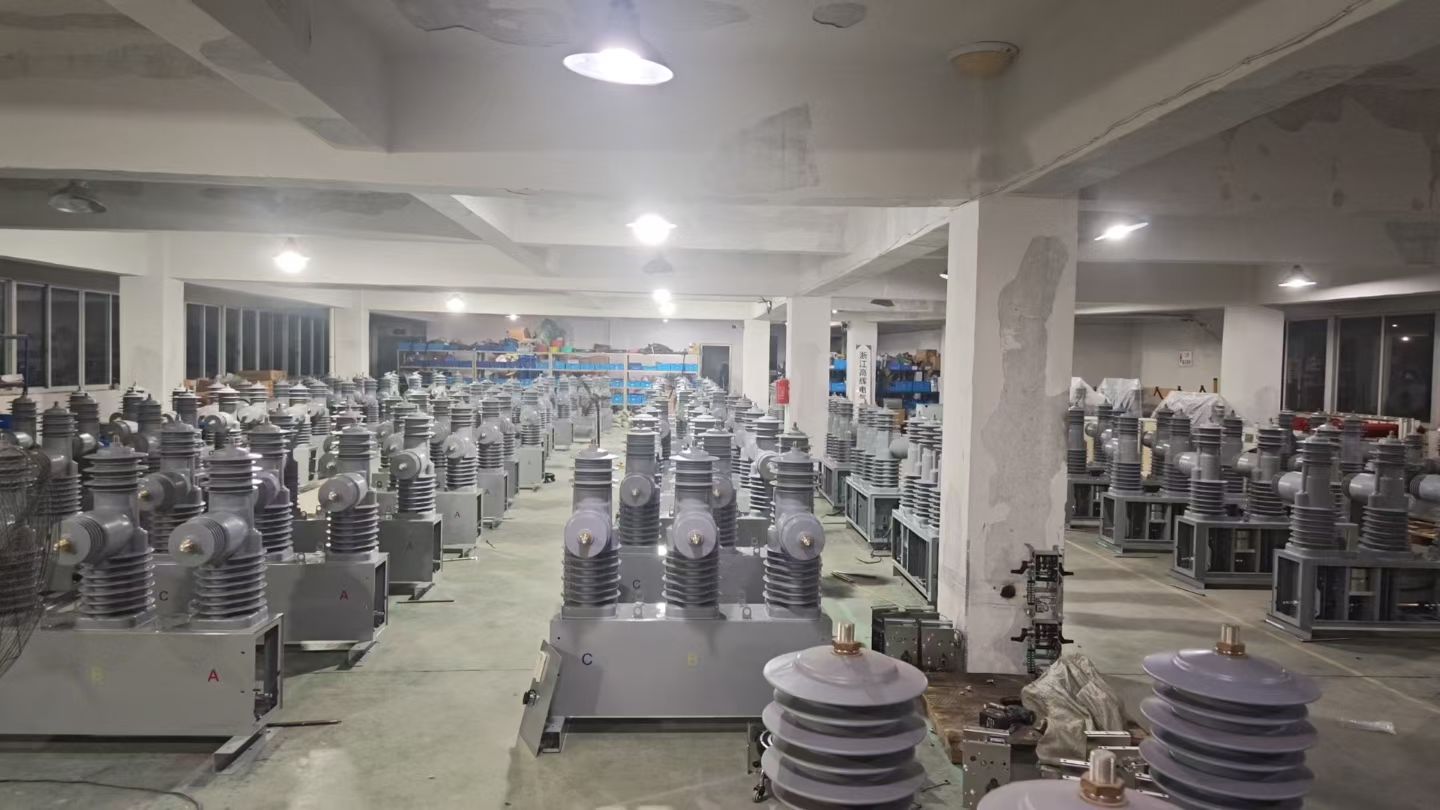
When setting up factory-outdoor circuit breakers, the first step is selecting a location that balances accessibility and safety. Choose a spot shielded from direct weather exposure, like under an eave or within a protective enclosure, to prevent moisture buildup and corrosion. Ensure the area is well-ventilated and free from flammable materials, while also considering ease of access for future maintenance or emergency shut-offs. A stable, level mounting surface is crucial to avoid vibrations that could loosen connections over time.
Proper wiring and grounding are next on the list. Use high-quality, weather-resistant cables rated for outdoor use to connect the circuit breaker to the power source and load. Double-check all terminals for tightness and apply anti-oxidant paste if recommended by the manufacturer to combat corrosion in humid environments. For grounding, drive a copper rod deep into moist soil near the installation site and connect it securely to the breaker's grounding terminal using a thick, insulated wire—this step is vital for preventing electrical faults and ensuring operator safety.
After installation, don't skip the testing phase. Energize the circuit breaker and perform functional tests to verify it trips correctly under overload or short-circuit conditions. Use a multimeter to check for proper voltage levels at the output terminals, and inspect for any signs of overheating or unusual noises during operation. Finally, label all components clearly and keep a log of the installation date and initial test results for future reference, helping streamline troubleshooting down the line.
Material Selection and Durability in Harsh Outdoor Environments
When designing products destined for relentless outdoor conditions, the choice of materials isn't merely a matter of cost or aesthetics—it's the backbone of longevity. Harsh environments, whether scorching deserts, salt-sprayed coastlines, or freeze-thaw cycles in mountainous regions, test materials to their limits, causing corrosion, UV degradation, and mechanical wear. Instead of defaulting to standard stainless steels or plastics, forward-thinking manufacturers are now exploring high-performance alloys, composites reinforced with UV inhibitors, and advanced coatings that mimic natural protective mechanisms. This shift ensures that structures, equipment, or furniture not only survive but thrive, reducing maintenance and replacement costs over time.
Durability in these settings hinges on a material's ability to resist multiple environmental stresses simultaneously. For instance, a metal used in coastal areas must fend off salt-induced corrosion while withstanding strong winds and temperature fluctuations. Innovations like hot-dip galvanizing, ceramic-based finishes, or polymer blends with integrated stabilizers offer multifaceted protection. Real-world testing—such as accelerated weathering trials or field deployments in extreme climates—provides critical data, helping engineers move beyond theoretical specs to practical, long-lasting solutions that maintain integrity and appearance for decades.
Ultimately, selecting the right material is a strategic decision that balances performance with sustainability. In harsh outdoor environments, durability translates to reduced environmental impact through fewer replacements and lower resource consumption. By leveraging materials like recycled aluminum alloys, bio-based polymers, or locally sourced stone, projects can achieve resilience without compromising ecological goals. This holistic approach not only meets functional demands but also aligns with modern expectations for durability that endures both the elements and the test of time.
Testing and Quality Assurance Protocols for Outdoor Applications
When it comes to outdoor applications, testing and quality assurance protocols have to account for a whole different set of variables that simply don't exist in controlled indoor environments. The focus shifts dramatically toward durability and resilience. This means developing rigorous test cycles that simulate years of exposure in a compressed timeframe. Protocols often include accelerated weathering tests using specialized chambers that bombard materials with intense UV light, extreme temperature fluctuations, and controlled humidity cycles to mimic the relentless effects of sun, seasonal change, and moisture. It's not just about seeing if something lasts; it's about understanding exactly how and why materials degrade over time when faced with the elements.
Beyond the lab, real-world field testing becomes a critical, non-negotiable phase. A robust QA protocol integrates data from long-term installations in diverse, harsh climates—from desert heat to coastal salt spray. This isn't a passive observation; it involves scheduled inspections, performance monitoring under actual load and use, and meticulous documentation of any failures or wear patterns. The goal is to create a feedback loop where field data directly informs and refines the laboratory testing parameters, ensuring the simulated tests are accurately predicting real-world behavior. This iterative process helps pinpoint specific weaknesses, like a sealant failing in freeze-thaw cycles or a color fading unevenly under specific solar angles, allowing for targeted material or design improvements before full-scale production.
Ultimately, the most effective protocols are those that are holistic and proactive. They don't just test the final product in isolation but scrutinize the entire supply chain and manufacturing process. This includes verifying the quality and consistency of raw materials, auditing production controls for things like proper curing times or coating thickness, and implementing strict batch testing. By building quality in at every stage, from sourcing to shipment, and validating it through both brutal simulated aging and monitored real-world deployment, manufacturers can deliver outdoor solutions that don't just meet a basic spec sheet but earn a reputation for dependable performance where it counts—outside, year after year.
Maintenance Best Practices to Ensure Long-Term Reliability
To keep systems running smoothly for years, it's wise to adopt a proactive maintenance approach. Rather than waiting for issues to arise, regularly check components for wear and tear, schedule updates during low-traffic periods, and document all procedures to ensure consistency across teams. This forward-thinking strategy minimizes unexpected downtime, saving time and resources in the long haul.
Another key aspect involves tailoring maintenance plans to the specific needs of your equipment. For example, in industrial settings, predictive analytics can forecast failures before they happen, allowing for timely interventions. By customizing schedules based on usage patterns and environmental factors, you boost efficiency and extend the lifespan of assets.
Fostering a culture of continuous improvement among maintenance staff is equally crucial. Encourage feedback on processes, invest in training for new technologies, and review performance metrics to spot trends. This human-centered focus ensures practices evolve with changing demands, keeping reliability top-notch over the decades.
Safety Guidelines and Regulatory Compliance for Outdoor Installations
Outdoor installations, whether they involve electrical systems, signage, or structural elements, must adhere to a rigorous set of safety guidelines to mitigate risks like weather exposure, public accessibility, and potential environmental impacts. Key considerations often include using corrosion-resistant materials, ensuring proper grounding for electrical components, and implementing barriers or warnings to prevent accidental contact. Regular inspections for wear and tear, such as checking for loose fittings or fading safety markings, are essential to maintain integrity over time. By prioritizing these measures, installers can significantly reduce hazards like electrical shock, falling debris, or tripping incidents in public spaces.
Navigating regulatory compliance is a critical aspect of outdoor projects, involving adherence to local, national, and sometimes international standards. This typically encompasses building codes, zoning ordinances, environmental regulations, and specific industry certifications. For example, installations near water bodies may need to comply with erosion control laws, while those in urban areas might require permits for height or lighting. Staying updated with evolving regulations through resources like government websites or professional associations can help avoid legal penalties and ensure projects meet ethical and safety benchmarks. A proactive approach to compliance not only safeguards public welfare but also enhances project credibility and longevity.
To stand out in this field, many experts recommend integrating advanced technologies and sustainable practices into safety plans. This could involve using smart sensors to monitor structural health in real-time, adopting eco-friendly materials that withstand harsh climates without degradation, or implementing predictive analytics to schedule maintenance before failures occur. By blending traditional safety protocols with innovative solutions, installers can create installations that are not only compliant but also resilient and forward-thinking, setting a higher standard in the industry and fostering trust among stakeholders. Such differentiation often leads to reduced long-term costs and improved community relations, making it a valuable investment beyond mere regulatory fulfillment.
FAQ
When selecting a location for an outdoor circuit breaker factory, key factors include proximity to transportation networks like highways or ports for logistics, availability of skilled labor in the area, environmental regulations that may impact outdoor operations, access to reliable power and water supplies, and land cost and zoning laws permitting industrial outdoor manufacturing.
Manufacturing outdoors can enhance durability by exposing circuit breakers to real-world conditions during production, allowing for testing against elements like humidity and temperature fluctuations. This often results in more robust products, but it requires stringent quality control to prevent contamination or damage from weather, ensuring performance standards are met.
Best practices for outdoor installation include using weatherproof enclosures rated for the specific environment, ensuring proper grounding and insulation to prevent electrical faults, following manufacturer guidelines for clearance and ventilation, and conducting regular maintenance checks to address corrosion or wear from exposure to outdoor elements.
Outdoor factories can be more cost-effective due to lower construction costs for buildings and reduced energy needs for climate control. However, savings may be offset by higher expenses for weatherproofing equipment, protective measures against environmental hazards, and potential downtime from adverse weather, so a detailed cost-benefit analysis is essential.
Critical safety measures include de-energizing circuits before work, using personal protective equipment like insulated gloves, ensuring all connections are secure to prevent arcing, installing barriers or signs to warn of high voltage, and adhering to local electrical codes and standards to minimize risks of shock or fire.
Environmental regulations may require permits for outdoor operations, impose limits on emissions or noise, mandate waste management plans for materials used, and enforce standards for protecting nearby ecosystems. Compliance ensures sustainable practices but can add complexity and cost to manufacturing and installation processes.
Conclusion
Outdoor circuit breakers for factory settings demand specialized manufacturing approaches that account for environmental exposure. Key design considerations include robust enclosures and thermal management to withstand temperature extremes, while material selection focuses on corrosion-resistant alloys and UV-stabilized plastics for durability in harsh conditions like rain, snow, or coastal salt air. Testing and quality assurance protocols are rigorous, simulating outdoor stressors such as humidity cycles and vibration to ensure reliability. Integrating these aspects ensures the breaker can handle factory-outdoor interfaces without failure, safeguarding electrical systems from weather-induced disruptions.
Installation and maintenance are equally critical for long-term performance. Essential steps involve proper mounting on stable surfaces, sealing connections against moisture, and verifying compliance with safety regulations for outdoor applications. Maintenance best practices include regular inspections for wear, cleaning of debris, and functional testing to preempt issues. Safety guidelines emphasize grounding, clear labeling, and adherence to local codes to prevent hazards. By blending expert manufacturing with meticulous installation and upkeep, these circuit breakers deliver reliable, safe operation in demanding industrial outdoor environments, minimizing downtime and enhancing overall system resilience.
Contact Us
Contact Person: Doreen
Email: [email protected]
Tel/WhatsApp: 8618057712366
Website: https://www.liugaopower.com/