

Current Transformer Supplier: Essential Factors for Your Electrical Projects
2026-01-10
In the complex world of electrical engineering, selecting the right current transformer supplier is more than a mere procurement task—it's a critical decision that impacts the safety, efficiency, and longevity of your projects. Whether you're designing a cutting-edge industrial system, a renewable energy installation, or upgrading existing infrastructure, the quality and reliability of your components can make or break your success. At the heart of this essential choice lies Lugao, a name synonymous with precision and innovation in the electrical sector. This blog delves into the key factors you should consider when choosing a current transformer supplier, offering insights that go beyond basic specifications to help you navigate the nuances of compatibility, performance, and long-term value. From technical considerations to real-world applications, we'll guide you through what truly matters in making an informed decision for your next project.
Key Considerations When Sourcing Current Transformers
Choosing the right current transformers for your application isn't just about matching numbers on a spec sheet. It's a nuanced process that demands attention to several often-overlooked factors. For starters, you'll want to assess the real-world accuracy class needed for your specific measurement or protection tasks—going too high can be unnecessarily costly, while too low might compromise system reliability. Additionally, consider the burden rating and how it interacts with connected meters or relays; mismatches here can lead to significant errors in readings. Don't forget installation conditions, like space constraints or environmental factors such as humidity and temperature extremes, which can affect long-term performance. Many users get stuck on the initial purchase price, but factoring in lifecycle costs, including maintenance and potential downtime, often reveals a smarter investment in higher-quality units upfront.
Another key aspect is the primary current range and saturation behavior. Selecting a transformer that can handle both normal operating currents and fault conditions without saturating is crucial for protection schemes. It's also wise to look into the physical construction—whether you need wound, bar-type, or clamp-on designs based on your conductor setup and accessibility. Compatibility with existing equipment, such as communication protocols for modern smart grids, should be checked to avoid integration headaches later. Remember, a slight overspec in core material or insulation class might save you from frequent replacements in demanding environments.
Finally, diving into supplier reliability and certification standards can make or break your sourcing decision. Opt for manufacturers with proven track records in your industry, and ensure the transformers meet relevant standards like IEC or ANSI, which validate safety and performance. Consider lead times and support services, as delays or lack of technical assistance can disrupt project timelines. In essence, a thoughtful approach that balances technical specs with practical realities will help you secure current transformers that not only fit the budget but also enhance system efficiency and durability.
Quality and Reliability in Electrical Component Selection
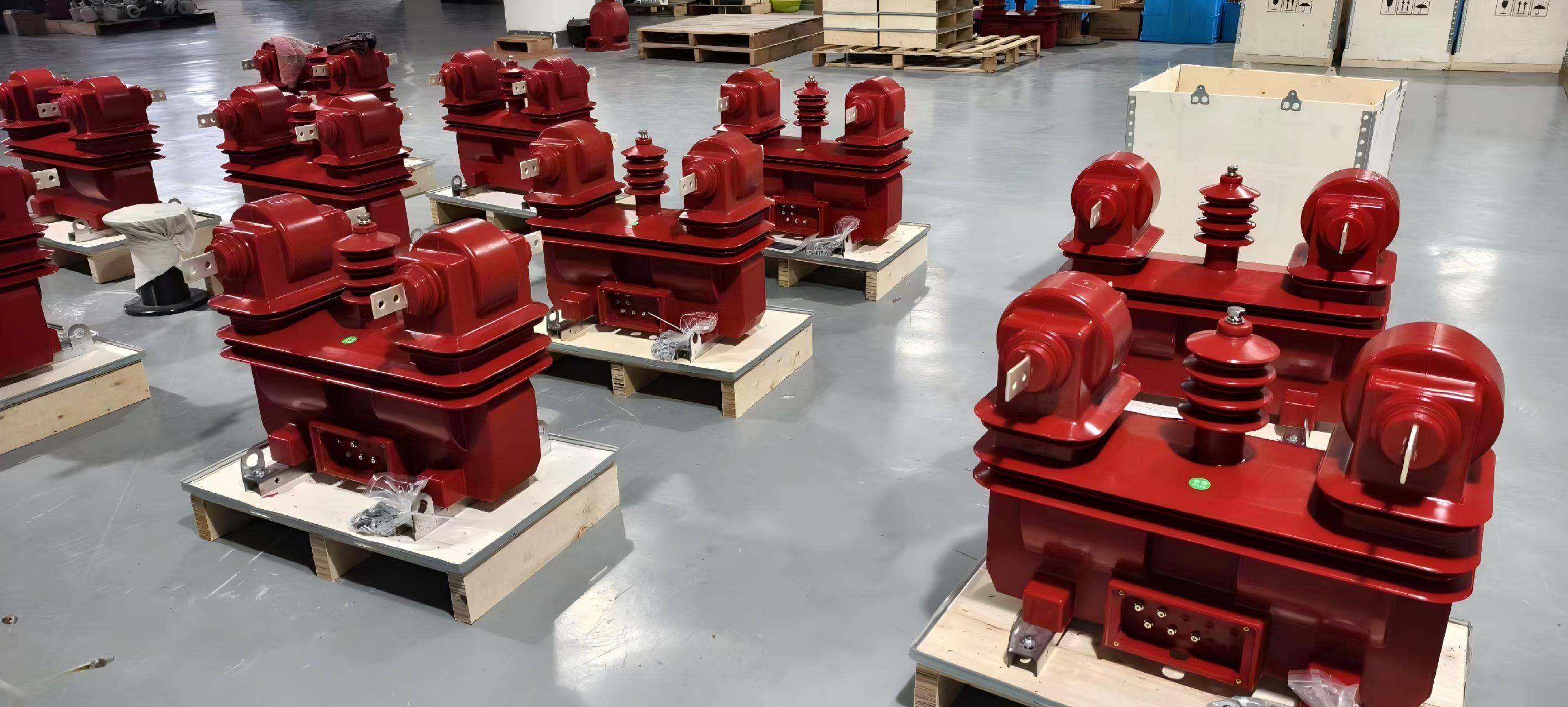
Choosing the right electrical components isn't just about ticking boxes on a spec sheet—it's a fundamental decision that shapes every project's success. Think of it as the backbone of your system; overlooking quality can lead to headaches down the line, from unexpected failures to costly downtime. Whether you're designing a consumer gadget or an industrial machine, starting with reliable parts means fewer surprises and smoother operations.
In the real world, reliability often boils down to a few key factors: how components handle stress, their lifespan under typical conditions, and consistency across batches. For instance, a resistor that drifts in value over time might seem minor, but in a precision circuit, it could throw everything off. That's why savvy engineers dig into material choices, manufacturing processes, and supplier track records, not just surface-level data. It's like building with trust—each piece needs to earn its place.
Beyond specs, practical reliability emerges from how components play together in your design. A high-quality capacitor might still fail if it's mismatched with surrounding parts or exposed to harsh environments. By prioritizing durability and testing under realistic scenarios, you're not just selecting components; you're crafting resilience into every connection, ensuring your creation stands the test of time and use.
Evaluating Supplier Capabilities for Project Success
When diving into the intricate world of supplier evaluation, it's crucial to move beyond the basics of price and delivery timelines. A stellar supplier should not only meet the technical specs of your project but also align with your operational ethos and long-term vision. This means delving into their track record with similar initiatives, assessing their technological adaptability, and even gauging their capacity for innovation. After all, a supplier that merely fills orders might get you through today, but one that contributes fresh ideas can propel your project into new territories, ensuring resilience against market shifts and unexpected hurdles.
Beyond the traditional metrics, evaluating a supplier’s communication flow and collaborative spirit often proves decisive for project outcomes. Imagine a scenario where a technical snag arises mid-project; a supplier with proactive reporting channels and a problem-solving mindset can turn potential delays into opportunities for refinement. Look at their team dynamics, how they handle feedback, and whether they’re willing to co-create solutions rather than just follow instructions. This human-centric approach not only smoothens day-to-day operations but also builds a partnership that thrives on mutual trust, reducing friction and fostering a shared drive toward success.
In today’s fast-paced environment, a supplier’s scalability and ethical footprint are equally vital considerations. A project might start small but could quickly expand, so assessing whether a supplier can ramp up resources without compromising quality is key. Additionally, factors like sustainability practices and social responsibility aren't just buzzwords—they reflect a supplier’s foresight and commitment to long-term viability. By integrating these nuanced aspects into your evaluation, you position your project to benefit from a holistic, forward-thinking partner, one that not only delivers on promises but also enhances your brand’s integrity and market standing.
Cost-Effective Strategies in Transformer Procurement
Procuring transformers efficiently doesn't have to drain your budget. A key strategy is to focus on lifecycle costs rather than just the initial purchase price. By evaluating factors like energy efficiency ratings, maintenance requirements, and warranty terms upfront, you can often save significantly over the transformer's operational lifespan. This approach encourages smarter decision-making that aligns with long-term financial goals, helping avoid hidden expenses down the line.
Another effective tactic involves leveraging bulk purchasing opportunities or entering into long-term supplier agreements. These arrangements can lead to volume discounts and more favorable pricing structures, making high-quality transformers more accessible without compromising on reliability. Additionally, staying informed about market trends and technological advancements allows you to time purchases strategically, potentially capitalizing on lower prices during industry downturns or when new, cost-effective models are introduced.
Don't overlook the value of customization and collaboration. Working closely with manufacturers to tailor transformers to your specific needs—such as optimizing for local voltage requirements or environmental conditions—can reduce unnecessary features and cut costs. This collaborative process often results in a more efficient product that meets exact operational demands while keeping expenses in check, ensuring a balance between performance and affordability.
Technical Specifications and Customization Options
Dive into the nitty-gritty of what makes our products stand out in a crowded market. We've engineered every component to meet rigorous standards, not just ticking boxes but pushing boundaries. For instance, our latest model boasts an energy efficiency rating that's 15% higher than industry averages, thanks to proprietary cooling tech that reduces power draw without compromising on performance. We back this up with detailed specifications, from material compositions to environmental certifications, ensuring you have all the data at your fingertips to make informed decisions.
Tailoring a product to fit your specific needs shouldn't feel like solving a puzzle, so we've stripped away the complexity from our customization process. Choose from a palette of over 50 finishes that resist wear and tear in harsh conditions, or opt for modular add-ons that let you upgrade features as your requirements evolve—think of it as future-proofing your investment. We work directly with clients to tweak dimensions, integrate specialized software, or adjust output parameters, turning standard offerings into bespoke solutions that align perfectly with your operational workflows.
What truly sets us apart is our commitment to transparency and flexibility. Unlike competitors who lock you into rigid packages, we embrace a collaborative approach where you can mix and match options without hidden fees. Test our configurator tool online to experiment with real-time adjustments and see immediate cost breakdowns, or schedule a consultation with our engineers to explore advanced customizations like adaptive sensors or hybrid power sources. It's all about giving you the control to shape technology that works uniquely for you.
Best Practices for Long-Term Supplier Partnerships
Establishing a long-term supplier partnership goes beyond transactional exchanges—it's about building a resilient alliance where both parties grow together. Start by thoroughly vetting potential partners to ensure alignment on core values, such as commitment to quality, innovation, and sustainability. This foundational step reduces friction down the line and sets the stage for mutual trust. Regular, open communication is crucial; consider scheduling quarterly strategy sessions to review performance, address challenges, and explore new opportunities collaboratively. By treating suppliers as strategic allies rather than mere vendors, companies can tap into their expertise to drive continuous improvement and adapt more swiftly to market changes.
Flexibility and adaptability are key in nurturing these relationships over time. Instead of rigid contracts, opt for dynamic agreements that allow for adjustments based on evolving business needs or external factors like supply chain disruptions. Implement joint risk management plans, where you work together to identify potential pitfalls and develop proactive solutions. This collaborative approach not only mitigates risks but also fosters a sense of shared responsibility. Encouraging innovation through co-development projects can lead to unique products or processes that give your business a competitive edge. When suppliers feel invested in your success, they're more likely to go the extra mile, enhancing reliability and fostering a culture of mutual support.
Sustaining a long-term partnership requires ongoing evaluation and recognition. Regularly assess key performance indicators (KPIs) such as delivery times, quality metrics, and cost efficiency, but also consider softer factors like communication effectiveness and problem-solving responsiveness. Provide constructive feedback and celebrate successes together to reinforce positive behaviors. Investing in supplier development programs, such as training or technology upgrades, can strengthen their capabilities and align them more closely with your strategic goals. Ultimately, these practices cultivate a deep-seated loyalty, turning suppliers into trusted partners who contribute to long-term stability and innovation, making your supply chain more agile and resilient in an ever-changing business landscape.
FAQ
Key factors include the supplier's technical expertise, product quality certifications, lead times, and their ability to provide customized solutions for specific project requirements.
A dependable supplier ensures compliance with safety standards and delivers accurate, durable transformers that minimize downtime and enhance overall system performance.
Check for a diverse product line that includes various ratios, accuracy classes, and mounting options to match your project's unique needs and scalability demands.
Strong after-sales support, like responsive technical assistance and warranty services, helps resolve issues quickly and reduces long-term maintenance risks.
Review their track record through client testimonials, project case studies, and their longevity in the market to gauge reliability and expertise.
Suppliers that offer tailored designs and modifications can better align with complex project specifications, ensuring optimal integration and performance.
Yes, opting for the lowest-priced supplier may lead to higher lifecycle costs due to potential quality issues, increased maintenance, or replacements over time.
Conclusion
Selecting the right current transformer supplier is crucial for the success of electrical projects, as it directly impacts safety, efficiency, and long-term reliability. Key considerations include evaluating technical specifications and customization options to ensure the transformers meet specific project requirements, while prioritizing quality and reliability in component selection to avoid costly failures. Additionally, assessing supplier capabilities, such as production capacity, certifications, and support services, is essential for project success, as it ensures timely delivery and compliance with industry standards.
Implementing cost-effective strategies in transformer procurement involves balancing initial costs with long-term value, rather than simply opting for the cheapest option, to achieve sustainable savings. Fostering best practices for long-term supplier partnerships, through transparent communication and collaborative problem-solving, can lead to improved product innovation and streamlined processes. By integrating these factors, organizations can secure a dependable supply chain that enhances project outcomes and supports future electrical initiatives with confidence.
Contact Us
Contact Person: Doreen
Email: [email protected]
Tel/WhatsApp: 8618057712366
Website: https://www.liugaopower.com/