
Custom Barcode Wristband Printer: Enhancing Accuracy in Patient Care
2026-06-25
In a world where patient safety hinges on split-second decisions and flawless identification, even a minor labeling error can lead to serious consequences. Custom barcode wristband printers are stepping up as a quiet but critical solution, dramatically enhancing accuracy in patient care. Yet, not all systems deliver the same level of reliability and precision. That’s where BAOBI comes in—redefining what healthcare providers can expect from wristband printing technology. In this post, we’ll explore how tailored barcode printing is transforming workflows and why choosing the right partner makes all the difference.
Printing Precision That Prevents Patient Mix-Ups at the Bedside
A split-second glance at a wristband can mean the difference between safe care and a near miss. When barcodes are crisp, alignment is exact, and text stays legible through alcohol swabs and hand sanitizer, nurses don't waste time squinting at smudged ink. This level of print accuracy directly removes one of the most stubborn failure points in bedside verification: unreadable identifiers that force staff to reprint, override, or—worst of all—guess.
It's easy to overlook how much friction hides inside a poorly printed label. Thermal ribbons that aren't matched to the wristband material can delaminate in a patient's sweat, while low-resolution heads turn a critical barcode into a blurry stripe. Hospitals that invest in purpose-built printing systems see fewer scan failures, which translates into fewer manual workarounds. The technology doesn't just produce a label; it upholds the entire closed-loop medication safety process by ensuring that every scan, every time, confirms exactly the right patient and exactly the right intervention.
Beyond the hardware, smart print management keeps the right data flowing to the right bedside without interruption. Centralized software that monitors ribbon life and print quality flags inconsistencies before they become a workflow crisis. When the system quietly prevents a misread, it also prevents the cascade of delayed treatments, charting errors, and patient anxiety that follows. Precision printing turns out to be one of the quietest, most reliable guardians of patient identity.
Customizable Wristbands Designed to Withstand the Rigors of Hospital Life
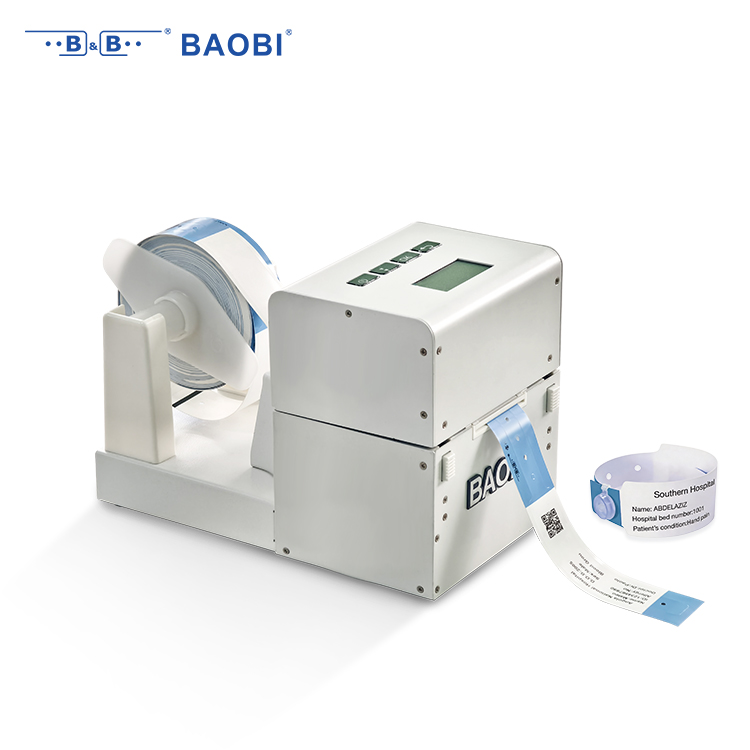
Hospitals need wristbands that do more than just carry a name. With options to print barcodes, color-code by department, or include allergy alerts, these bands are fully adaptable to any facility's workflow. The customization doesn't end at the printer—staff can order bands in different materials and sizes, ensuring a snug fit for every patient from the NICU to geriatric care.
Constant handwashing and sanitizer exposure will quickly break down ordinary wristbands, but these are built to last. The material shrugs off alcohol-based gels, hot water, and daily wear without fading or becoming brittle. Even after weeks of use, the printed text stays crisp, which is critical when every scan counts in a fast-paced ward.
Beyond toughness, comfort matters when patients wear them around the clock. The soft, hypoallergenic band prevents skin irritation, and the secure clasp holds firm without pinching. Nurses can rely on a quick, accurate scan every time, cutting down on the little frustrations that add up during a twelve-hour shift.
From Admission to Discharge: Streamlining Identity Verification with Custom Prints
The moment a patient walks through the hospital doors, the clock starts ticking on getting their identity right. Custom prints—whether palm veins, fingerprints, or iris patterns—can cut through the usual bottleneck of paper forms and ID cards. Nurses on the front line no longer have to squint at faded driver’s licenses or try to reconcile misspelled names across systems. Instead, a quick scan locks onto a unique biological signature, pulling up the correct medical record in seconds and virtually eliminating the risk of duplicate charts.
As the patient moves from triage to the ward, and later to surgery or lab tests, that initial custom print becomes a silent thread linking every interaction. It follows them seamlessly, so the pharmacy dispenses the right dose to the right arm, and the blood bank matches the correct type without a second guess. Even in chaotic moments—like a trauma bay where verbal confirmation isn’t possible—the print acts as a reliable tie between the unconscious patient and their full history, allergies, and pre-existing conditions.
At discharge, the loop closes gracefully. Paperwork is tied to a confirmed identity rather than a room number or a fleeting memory. Follow-up appointments, prescriptions, and billing all anchor back to that one definitive print, reducing denials and mixed-up referrals. It’s a quiet shift that moves healthcare from ‘who are you?’ to ‘we know exactly who you are’ at every touchpoint, making the whole journey safer and far less frustrating for everyone involved.
The Overlooked Hero of Patient Safety: On-Wrist Barcode Accuracy
In the high-stakes world of healthcare, the humble wristband barcode rarely gets the credit it deserves. While electronic health records and smart infusion pumps grab headlines, it's the unassuming rows of black lines on a patient's wrist that silently orchestrate safe medication administration, accurate specimen labeling, and seamless blood transfusions. Yet, this frontline safeguard only works when the barcode scans correctly every single time. A distorted, smudged, or poorly printed barcode can break the chain of safety, leading to delays at best and life-threatening errors at worst—making it an overlooked hero that demands our unwavering attention.
When wristband barcodes fail to scan, the ripple effects are immediate and insidious. Nurses, already stretched thin, waste precious minutes trying to decipher or manually enter patient identifiers, inviting transcription errors that circumvent the very safety net the barcode is meant to provide. More critically, a misread barcode can link a patient to the wrong medication or lab result, turning a tool designed to prevent harm into its hidden enabler. The culprits are often mundane: cheap thermal paper that fades with hand sanitizer exposure, curved wrist surfaces that distort code geometry, or outdated scanners that choke on high-density symbologies. These seemingly small technical failures accumulate, eroding trust in the system and nudging clinicians back toward risky manual checks.
Addressing barcode inaccuracy demands a blend of rigorous material science and workflow redesign. Facilities are now turning to durable synthetic wristbands that resist moisture, lotions, and the daily wear-and-tear of an active patient. Advances in linear imaging scanners and 2D codes offer wider tolerance for wrinkles and partial damage, while redundant patient identifiers provide a fallback when physical scanning falters. Equally important is front-line feedback: empowering nurses to report wristband issues without blame, and closing the loop with vendors and IT support. Because when every scan is flawless, the barcode quietly fulfills its role as the unsung guardian of the five rights of medication administration—and patient safety sits securely on every wrist.
Why Off-the-Shelf Wristbands Fail Healthcare and How Custom Printers Deliver
Standard wristbands might look like a bargain, but in a busy hospital, they quickly turn into liabilities. The print smudges after contact with sanitizer, the adhesive weakens with sweat, and the flimsy material tears within hours. Nurses end up retyping patient data or wrapping tape around frayed edges—distractions that erode safety and slow down the entire workflow.
Custom printers built specifically for healthcare change the equation. They use durable, coated wristband stock that resists alcohol, water, and friction, keeping barcodes and text sharp for days. Because they integrate directly with EHR systems, staff can populate patient information in seconds, eliminating manual transcription errors. On-demand printing means no more rummaging for pre-printed stock with outdated info, and color-coded bands or allergy alerts become effortless visual cues.
The real payoff shows up in moments that matter most. A scannable wristband that survives multiple hand-washings ensures that medication scans match the right patient, while a clear allergy alert catches attention before an error reaches the bedside. By investing in purpose-built printers, clinical teams spend less time fixing broken bands and more time on care—a shift that quietly boosts accuracy and confidence across every shift.
Empowering Care Teams with Fast, Accurate Scanning Every Time
When care teams rely on swift, dependable scanning, every second matters. Our tools make capturing patient data effortless, so staff can keep their focus where it belongs—on the people in their care. No delays, no second-guessing; just clear results delivered exactly when they’re needed.
Precision meets practicality in every scan. Advanced imaging technology cuts through complexity, offering sharp reads without a steep learning curve. This means less training time and fewer errors, giving teams the confidence to act quickly and accurately, shift after shift.
Seamless integration with existing workflows means information flows directly to the right hands, minimizing friction and maximizing responsiveness. It’s about equipping caregivers with immediate insights that help them make informed decisions—turning moments of uncertainty into points of clarity, time and again.
FAQ
They eliminate manual data entry mistakes by directly encoding patient information onto wristbands. This automation reduces mix-ups, ensures medications and treatments are correctly matched, and speeds up admissions. Nurses and doctors can scan the barcode at any point to instantly verify identities, which is critical during emergencies when seconds count.
By printing a unique, scannable barcode linked to the electronic health record, the wristband becomes a reliable single source of truth. Every scan validates the patient's identity against the database, flagging discrepancies before procedures. This way, a wrong-patient surgery or medication error is caught immediately.
Most are designed with interoperability in mind. They can sync with EHR platforms like Epic or Cerner, pulling demographic data directly. Some support HL7 messaging, so patient information flows seamlessly from registration to the printer without rekeying, which saves time and cuts administrative overhead.
Medical-grade synthetics like polyester or polypropylene resist moisture, alcohol, and daily wear. Soft, latex-free adhesives prevent skin irritation, while tamper-evident closures ensure the band stays put. Designs often include a clear protective layer over the printed barcode to prevent smudging or fading.
Yes, modern materials are chosen for breathability and flexibility. Some bands have a fabric-like texture that feels gentle against the skin, and they're lightweight so patients barely notice them. For sensitive skin, hypoallergenic options are available, and the bands can be adjusted for a snug but not tight fit.
It eliminates the need to pre-print wristbands in a central location and then distribute them. A nurse can verify a patient's details, print the band on the spot, and attach it immediately. This reduces wait times, minimizes mix-ups from batch printing, and allows updates on the fly if information changes.
The printers themselves are often secured with role-based access controls and authentication, like PINs or biometric scans. The barcodes can be encrypted, and the data transmission uses secure protocols. Auditing capabilities track who printed what and when, adding an accountability layer that deters misuse.
With antimicrobial coatings on the printer casing and wristband material, they actively reduce pathogen survival. The single-use, disposable bands lower cross-contamination risks. Also, printers with sealed media cartridges minimize the need for staff to touch the consumables, maintaining a cleaner workflow.
Conclusion
Healthcare settings demand identification tools that go far beyond generic labels, yet too many facilities still rely on stock wristbands that smudge, tear, or fade within hours. Custom barcode wristband printers change that dynamic by delivering sharp, durable prints specifically engineered for clinical environments. The focus on printing precision means every barcode withstands frequent scanning and exposure to fluids, directly reducing the risk of bedside patient mix-ups. When wristbands remain legible and firmly attached through bathing, procedures, and daily wear, care teams can trust the information they scan, turning an often-overlooked detail into a foundational layer of patient safety.
From the moment of admission, a custom-printed wristband becomes the single consistent identifier that follows a patient through every step of care. Rapid, accurate scanning speeds up medication administration, specimen collection, and charting, while eliminating the friction that off-the-shelf alternatives create with peeling edges or unreadable codes. Admitting staff can tailor each wristband to institutional protocols, embedding the exact data barcode systems need without compromise. This seamless identity verification loop empowers nurses and physicians to focus on clinical judgment rather than wrestling with unreliable wristbands, proving that an investment in on-wrist barcode accuracy quietly elevates the entire patient journey.
Contact Us
Contact Person: Bill Xu
Email: [email protected]
Tel/WhatsApp: 8618688898707
Website: https://www.baobitech.com/