

Die Making Steel Rule Manual Bender Supplier: Your Complete Sourcing Guide
2026-11-02
Every die maker knows the frustration of a manual bender that drifts out of alignment mid-job. Sourcing one that stays true shouldn’t be a gamble. That’s where ADEWO comes in—not as another faceless supplier, but as a partner who understands the steel rule game. Before you dive into the specs, let’s set the stage for finding a bender that actually earns its place on your bench.
First, Ignore the Shiny Catalog Photos
Catalog photos are designed to seduce you with perfect lighting, clever angles, and sometimes even computer-generated staging. A couch looks plush and deep, a pendant lamp seems to glow from within, and that bookshelf appears sturdier than it actually is. The moment you ignore the staged gloss, you start asking better questions: What will this look like at 7 p.m. under my own ceiling lights? Will the fabric pill after two months of real use? Those are the questions that save you from returning a disappointing box.
Instead of lingering on the hero shot, hunt for customer-uploaded photos and videos. Real spaces have clutter, uneven floors, and kids or pets in the background — exactly the conditions your purchase will face. Look past the styled vignettes and zoom in on details like stitching, edge finishing, and how materials behave under natural window light. If you can't find any candid shots, that's a quiet warning in itself. Shiny catalogs sell a fantasy; your home needs something honest.
The One Measurement That Predicts Bending Accuracy
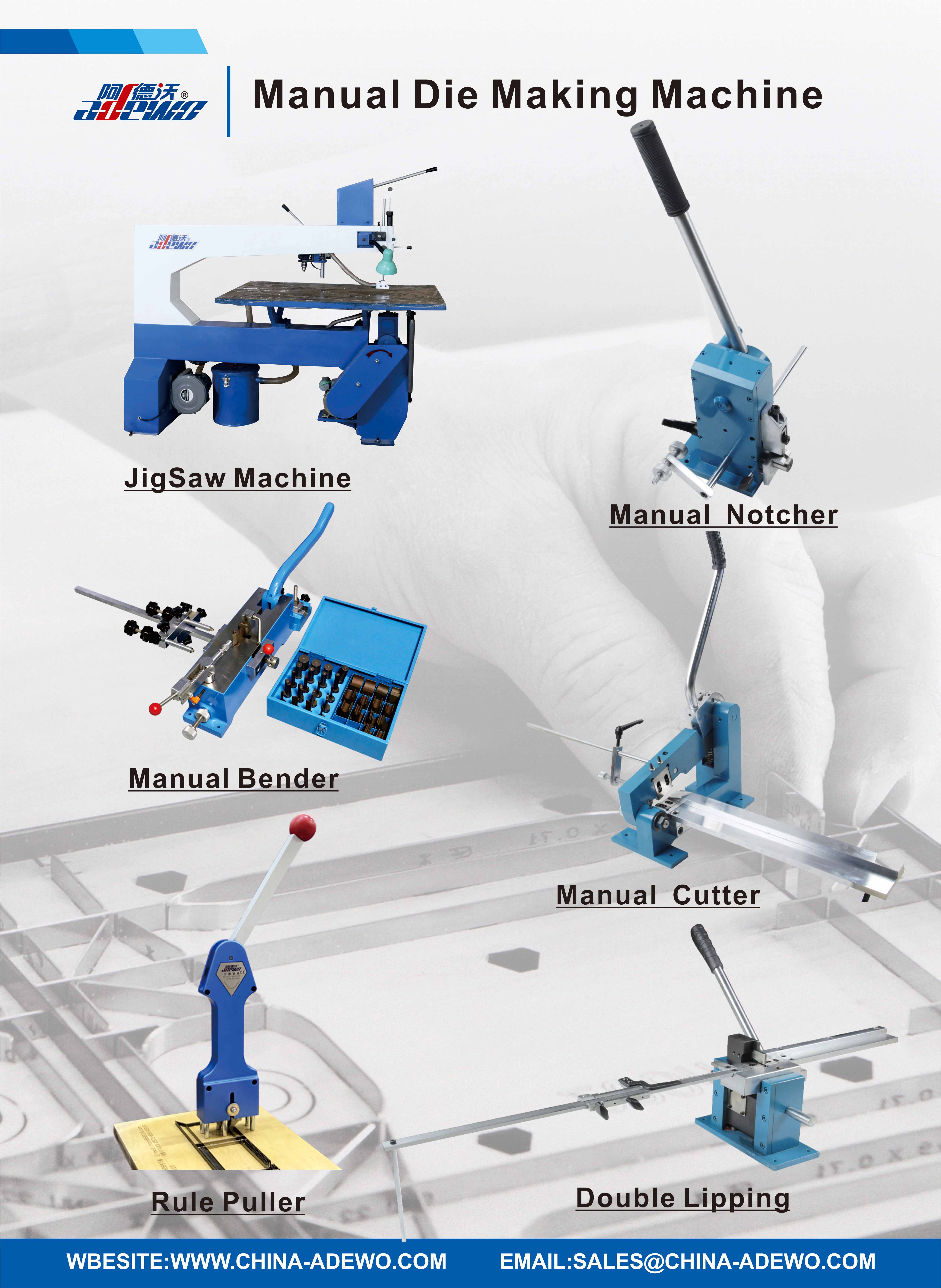
In press brake work, most operators chase the bend angle because it is the most visible result. But the angle alone can mislead you. The one measurement that actually predicts bending accuracy across a run is the inside radius produced after springback. That radius tells you whether the material yielded fully at the tool tip, how much the sheet thinned, and whether the grain direction or hardness varied from the last batch. If the radius is stable and matches the value used in your flat-pattern calculation, the angle, flange lengths, and overall part shape tend to stay within tolerance. If the radius drifts, you will chase corrections all day without ever fixing the root cause.
Unlike a quick angle check with a protractor, measuring the inside radius forces you to look at the bend at the point where the metal actually flowed. A radius that opens up slightly on one end of a long part often reveals uneven clamping or worn tooling segments. A radius that shrinks below expectation points to overbending or excessive tonnage. By tracking this single dimension after each setup and periodically during the run, you can predict whether the next pieces will be accurate before you check every angle and flange. It replaces a pile of downstream inspections with one fast, decisive measurement.
When a Cheap Manual Bender Costs More Per Bend
The sticker price on a bargain manual bender looks great until you run the first stick of tube. You set the angle, pull the handle, and get 87 degrees instead of 90. Adjust, try again, and now it's 94. The steel in the frame flexes enough that every bend demands a slightly different correction, which means you're burning material just to find a repeatable setting.
Then there's the time sink. A decent bender locks the tube in place and gives you the same result on the tenth pull as on the first. A cheap one makes you fight the clamp, shim the dies, and mark every piece before bending. If you're paying someone by the hour, those extra ten minutes per bend add up faster than the money you saved on the tool. The first scratched or kinked tube that a customer rejects wipes out the entire discount.
Over six months, the real cost shows up in worn pins, sloppy threads, and a pile of scrap that never seems to get smaller. You buy replacement dies or weld up cracks, but the machine still drifts. Meanwhile the job that should have taken a morning takes all day, and you're quoting fewer jobs because the shop is backed up. The cheap bender didn't cost less — it just spread the cost into every bend you made with it.
Supplier Answers That Reveal Real Die-Making Experience
Ask a prospective die shop how they handle a sudden change in raw material hardness, and you’ll quickly separate veterans from order-takers. A supplier with real floor time won’t recite a spec sheet; they’ll mention adjusting punch-to-die clearance, re-polishing radii, or shifting lubrication viscosity without missing a beat. Their answers reference actual tooling failures, rework costs, and the workarounds that kept a stamping line running past midnight.
Listen for specifics that can’t be faked from a brochure. When discussing carbide selection, an experienced supplier might explain why they avoid a certain grade for thin-wall sections because of micro-chipping they saw on a connector die in 2019. They’ll talk about the feel of a misaligned guide pin, the sound of a dull trim steel, or how they measure burr height at the third hit rather than the first. These details signal that someone has actually opened the die after a crash, not just read about it.
Real die-making experience also shows in how they answer “what if” questions. Ask about a part that springs back more than expected after forming. A solid shop will walk you through adjusting pad pressure, trying a different draw bead profile, or re-cutting the die radius in stages — and they’ll tell you which fix costs the least and which one risks scrapping the die. That practical, cost-aware troubleshooting is something no generic response can replicate.
Tooling Compatibility Problems You Can Avoid Before Ordering
One of the quickest ways to stall a new project is discovering that a cutting tool and its holder weren't made to work together. Shank taper mismatches, drawbar thread differences, or coolant-through incompatibilities can turn a simple purchase into a return headache. Before you place an order, pull the actual spindle or turret specs from your machine manual—not from memory—and compare them against the tooling dimensions listed by the supplier. A five-minute check on taper size, pull stud style, and through-coolant pressure rating often saves weeks of downtime.
Another common trap involves assuming that “standard” means universal. CAT, BT, HSK, and Capto all have sub-variants and tolerance classes, and a BT40 holder from one brand may sit differently in a BT40 spindle from another if the flange thickness or retention knob thread pitch is off by a hair. Pay attention to gauge length limits and the tool changer's maximum weight capacity as well—some live tooling units or angle heads are too heavy for older ATC arms, leading to dropped tools or servo faults. Ask the vendor for a dimensioned drawing before committing, and if they can't provide one, walk away.
Finally, don't let the software side blindside you. A new boring head or probe may require a specific macro package or tool offset screen update that wasn't included in the quote. If you're buying a presetter or tool management system, verify that its post processor or data export format matches what your CAM or machine control actually reads. Cheap tooling that can't be measured offline or requires hand-editing every offset isn't a bargain—it's a hidden labor cost. Build a checklist of mechanical, electrical, and data interfaces before ordering, and you'll avoid the most common compatibility failures that happen after the boxes are already opened.
A Weekly 10-Minute Check That Extends Bender Life
Most bender failures don’t start with a loud crash. They start with a bolt that slowly loosens on a clamp die, or a thin film of metal dust building up on a guide rail. A weekly ten-minute walk around the machine can catch those early signs. Look at the tooling first: grab a wrench and check the most-used clamp bolts, especially around the bend die and pressure die. Wipe a clean finger across the linear rails or ram guides—if it comes back with grit, that’s abrasive material chewing seals and bearings. A quick glance at the hydraulic hoses for damp spots or surface cracks takes less than a minute but can prevent a burst line later.
The next few minutes should go to lubrication and fluid condition. Many shops wait until a bender groans or sticks before greasing it, and by then the wear has already started. Use the weekly check to apply a light, even coat of grease to the guideways and rotate the bend arm through its range once by hand if possible. Check the hydraulic oil level cold, and look at the sight glass color—milky or dark oil usually means water contamination or overheating. Keeping the radiator fins and fan guard free of dust helps the oil stay cooler, which directly protects seals and pumps.
Finally, run one slow, empty bending cycle and actually watch and listen. A faint knock at the end of stroke, a hesitating return, or a slight chatter in the bend arm are all clues that something is drifting out of adjustment. Test the emergency stop and the foot pedal response without material in the machine. If you track how long the return stroke takes or how warm the tank feels from week to week, small changes will stand out. This kind of quiet, consistent check is what keeps a bender running true for years instead of suddenly needing an expensive teardown.
FAQ
Focus on build quality, bending accuracy, and the range of rule sizes the machine can handle. Check whether the supplier offers spare parts, clear documentation, and responsive support after the sale.
Manual benders are simpler to operate and maintain, cost less upfront, and work well for short runs or prototyping. CNC machines deliver higher throughput and repeatability, but many die shops still keep a manual unit for quick adjustments and low-volume jobs.
Most manual benders handle rules from 0.5 mm to 2 mm thick, sometimes up to 3 mm depending on the machine's frame strength. Always confirm the supplier's stated range matches your most common rule stock.
Yes—look for a solid cast frame, adjustable bending angle stops, and a clear degree scale. Spring-back compensation and replaceable bending dies also help maintain consistent angles over time.
Request references from current users, ask about warranty terms, and check how long the supplier has been making these machines. A short video call or factory tour can reveal a lot about their quality control and assembly process.
Keep the bending head and guide rails clean and lightly lubricated, inspect dies for wear, and periodically check that angle stops haven't shifted. Most issues come from debris buildup or loose fasteners, so a routine wipe-down prevents most problems.
Some manual units combine cutting and bending functions, but dedicated benders usually give better bend quality. If your workflow involves both operations frequently, a combined machine can save space, though separate tools may offer more precision for complex shapes.
Off-the-shelf models often ship within one to two weeks. Custom configurations or special die sets may add four to six weeks. Always confirm the timeline in writing before you pay a deposit.
Conclusion
If you have ever sourced a steel rule manual bender, you know how easy it is to be distracted by glossy catalog photos that make every machine look like a precision instrument. Yet those studio images hide the wear patterns, casting voids, and misaligned pivots that show up within weeks on a poorly built unit. The single measurement that predicts bending accuracy better than any spec sheet is the clearance between the bending head and the rule support along the full travel length. Run a feeler gauge through that gap at three or four positions while the head is locked in the zero-degree setting. If the variation exceeds a few thousandths of an inch, you will fight inconsistent radii on every job, especially when bending hard or thick rule. Cheap manual benders often pass a quick visual check but fail this test. They also tend to wear at the pivot pins, so the per-bend cost climbs as operators scrap mis-bent rule and waste setup time compensating for drift. When you interview a supplier, ask whether they measure that clearance after assembly and what tolerance they guarantee. A supplier who can talk you through the fixture they use for that measurement—not just the feature list—is one who has spent time on a die-making floor.
Tooling compatibility trips up many first-time buyers because manual benders are not universal. Some machines are built around a specific rule height, center-line offset, or bending pin diameter, and retrofitting your existing rule stock or punch-and-die sets can require expensive adapter plates or compromise the bend quality. Before you place an order, send the supplier a sample of the exact rule you use and ask them to bend a test piece at your tightest radius. A supplier with real die-making experience will check the rule hardness, grain direction, and the minimum inside radius you can accept before quoting anything. They will also ask about your most common profiles and whether you run long production batches or frequent short setups. Once the machine is in your shop, a ten-minute weekly routine pays for itself many times over. Wipe the bending head and rule path clean, check the pivot bolts for any play, and re-measure that clearance with a feeler gauge. If you notice a shift, adjust the gib screws or shim the support before it turns into a scrapped batch. These small habits are what separate a bender that holds tolerance for a decade from one that becomes a source of daily frustration.
Contact Us
Contact Person: KAELYN LEE
Email: [email protected]
Tel/WhatsApp: +86 15012673758
Website: https://www.china-adewo.com