
Driveway Tiles Supplier: Expert Tips for Choosing Long-Lasting Materials
2026-11-02
Your driveway takes a beating from weather, vehicles, and time. Choosing the right tiles isn't just about looks — it's about durability that saves you money down the road. As a trusted driveway tiles supplier, Beata Ceramics knows what separates a long-lasting surface from a costly mistake. Before you settle on any material, there are a few expert insights worth weighing.
The Difference Between Driveway Tiles That Last Fifteen Years and Those That Fail in Five
When a driveway looks flawless for over a decade, it’s rarely because someone picked a “magic” tile. The real difference usually sits hidden below the surface, in how the ground was prepared before the first paver went down.
Tiles that crack and shift within five years often share a common backstory: the base layer was too thin, the soil underneath wasn’t compacted properly, or water had no clear path to drain away. In colder climates, trapped moisture freezes and expands, lifting individual pieces until the whole surface turns uneven. Add to that a weak edge restraint, and you’ll see the outer rows start to wander outward.
A driveway that survives fifteen years starts with at least six to eight inches of crushed stone, compacted in thin lifts. The sand bedding stays uniform and shallow, never used to fix a wavy base. Pavers with low water absorption and a tight joint system hold their position, while a solid concrete or plastic edge keeps everything locked. It’s not glamorous work, but it’s what separates a short-lived patch job from a surface that shrugs off seasons.
Porcelain, Concrete, or Natural Stone: A Real-World Durability Check
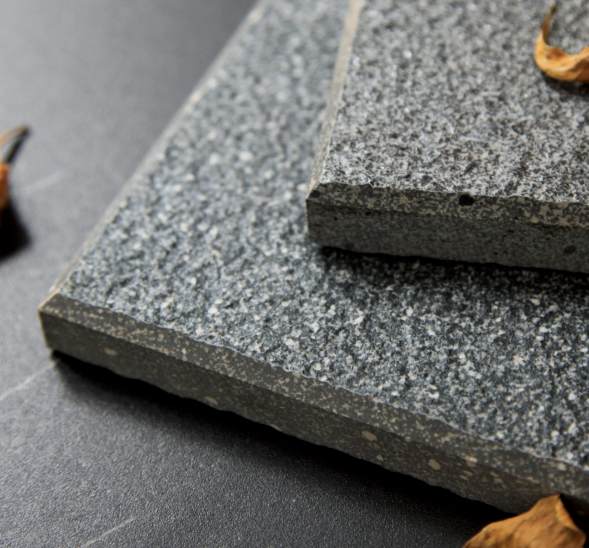
In kitchens that see daily abuse, porcelain often surprises people. It shrugs off dropped cast-iron lids and red wine spills without staining, and unlike natural stone it never asks for annual sealing. The trade-off is that chipped edges expose a darker clay body beneath, which is more visible on light-colored tiles.
Concrete has a loyal following for its monolithic look, but real-world durability depends heavily on installation. A poorly sealed countertop will etch from lemon juice within weeks and develop hairline cracks as the slab settles. Even well-finished concrete tends to show wear more visibly: water rings, oil marks near the stove, and the occasional chip from a fallen pot are part of its patina.
Natural stone spans a wide range. Granite and quartzite handle heat and knives admirably, while marble and limestone are far more delicate—they stain, scratch, and dull after a few encounters with tomato sauce or vinegar. If you're a frequent cook, the real decision is not which stone looks best but which one can live with your habits.
Supplier Red Flags You Shouldn’t Ignore When Ordering Samples
Pay attention to how the supplier talks before you pay for the sample. If they dodge questions about material composition, tolerances, or factory location and keep repeating that they 'work with many big clients,' treat that as a stall. Real suppliers won't mind sharing a spec sheet or a short factory walkthrough video. Also be wary if their answer changes between email and WhatsApp, or if they offer a discount for switching to a personal payment account.
When the sample arrives, check it against the exact proof you approved, not just a quick look. Different stitching, lighter fabric, a missing logo plate, or packaging that looks like it was thrown together are all messages about how the bulk order will go. If the supplier says 'it's only a sample' or blames the courier for damage that clearly happened at the factory, don't wave it off. A missing hang tag or factory stamp can also mean you're dealing with a reseller who has no real control over production.
Response time after payment tells you more than the sample itself. If the supplier was fast before you sent money but now takes two days to confirm a tracking number, or asks for extra 'rush fees' you never agreed to, that's a preview of full production. Missed dispatch dates without warning and vague replies about 'customs delay' are not small issues. A sample order is cheap insurance; if they fumble this stage, walk away before a container is on the line.
Grout, Sealing, and the Small Details That Decide a Driveway’s Lifespan
Most homeowners obsess over the pavers or concrete mix, but the real longevity test happens in the joints. Grout isn't just filler; it locks each unit in place and prevents the kind of lateral shift that leads to cracks along the edges. When it fails, water sneaks underneath, freezes, and slowly jacks the entire surface apart from below. I've seen driveways that looked brand-new on top but had turned into a loose mosaic because the joints were never properly maintained.
Sealing gets treated like a cosmetic upgrade, yet it's the cheapest insurance you can buy. A quality penetrating sealer doesn't sit on the surface like a plastic wrap—it soaks in and blocks moisture, oil, and de-icing salts from reaching the aggregate. Skip it, and you'll notice tiny spalling within two winters. The trick is applying it at the right time: too soon after installation and it traps curing moisture; too late and the damage is already done.
Then there are the details nobody photographs for the listing: the slope at the garage apron, the expansion joint against the foundation, the drip edge along the border. A quarter-inch fall over ten feet sounds trivial, but it separates a dry driveway from one that channels runoff straight into your basement. And if the saw-cut control joints aren't sealed, they become highways for weeds and ice. These aren't exciting choices, but they're the ones you'll remember when the first heavy rain comes through.
Why Your Local Weather Should Override Any Trendy Tile Finish
A tile finish that looks stunning in a showroom can turn treacherous on your own patio after the first autumn rain. If your area sees frequent downpours or persistent humidity, that ultra-smooth, high-gloss porcelain—so popular on design blogs—becomes a slip hazard the moment it gets wet. Local rainfall patterns, morning dew, and even coastal fog should dictate whether you choose a textured, matte, or grip-enhanced surface. Trends fade, but a broken wrist from a slick terrace is a permanent reminder that weather beats fashion every time.
Freeze-thaw cycles are the quiet killer of outdoor tile. In colder climates, water seeps into microscopic pores overnight, then expands as ice, slowly fracturing the glaze and eventually the tile body itself. A trendy porous limestone or unsealed terracotta might look charming in a Mediterranean photo spread, but it will spall and crack after two winters in a northern garden. Choosing a finish rated for frost resistance—often with lower water absorption and a tougher, denser surface—isn't compromising on style; it's the only way to keep your floor intact when the ground heaves and temperatures swing from freezing to mild within a week.
Coastal and desert environments bring their own demands that no amount of Pinterest inspiration can ignore. Salt-laden air eats away at metallic glazes and unsealed natural stone, leaving behind dull patches and pitting within a season. Intense UV exposure fades bold colors and breaks down certain resin-based finishes, turning a once-vivid blue into a chalky pastel. Before you fall for that glossy, hand-painted look, check the weather history outside your door—not the forecast in a style magazine. The right finish is the one that still looks intentional after years of sun, salt, rain, and frost, not just the day it's installed.
Installation Practices That Quietly Sabotage Even the Best Tile
Tile selection gets all the glory, but the way it meets the substrate is where long-term performance is quietly decided. One of the most common missteps is skimping on mortar coverage. When installers spread only enough adhesive to hold corners or leave a few hollow spots beneath large-format tiles, the tile may look fine on day one. Over time, point loads from foot traffic and minor floor deflection find those voids and turn them into cracks. The same goes for using a worn trowel notch that doesn't leave the required ridges—without consistent collapse, you're not getting a mechanical bond, just a hopeful one.
Movement joints are another detail that gets skipped in favor of a perfectly continuous surface. Tile and grout expand and contract at different rates than the surrounding structure, especially across sunny spans or heated floors. When a large floor is installed with no soft joints at thresholds or perimeter gaps, the stress has to go somewhere. Usually it travels to the weakest tile edge, causing tenting or a hairline crack that nobody traces back to the missing joint. It's not a tile failure—it's a layout decision that ignored the physics of the room.
Finally, many installations are doomed by the rush to grout. If the thin-set hasn't fully cured, the moisture trapped beneath a dense porcelain tile has no escape path. That trapped moisture can weaken the bond layer or create ghosting stains that stay visible no matter how much you clean. Taking an extra day before grouting, or using a rapid-setting mortar on tight schedules, is far cheaper than replacing a floor that looked flawless at handover.
FAQ
Look for tiles rated for high compressive strength and a low water absorption rate. Porcelain and natural stone options usually hold up better than ceramic, especially in colder climates where freeze-thaw cycles cause weaker materials to split.
Yes, it changes both safety and upkeep. A textured or matte finish gives tyres better grip in wet weather, while a polished finish can become slippery and shows scratches from gravel more easily.
Aim for at least 20mm for outdoor use. Thinner tiles are often intended for patios or foot traffic and may crack under the weight of a car or delivery van.
Avoid unglazed ceramic or low-density concrete tiles that absorb water. When that water freezes and expands, it causes surface flaking and cracks. Choose frost-proof porcelain or dense natural stone instead.
It's just as important as the tiles themselves. A stable, well-draining sub-base prevents movement and pooling water. Without it, even premium tiles can shift, crack, or develop uneven joints within a season or two.
Ask about their batch consistency, warranty terms, and whether they can provide technical specs like slip resistance and load rating. A supplier who only talks about appearance may not be the best fit for a high-traffic driveway.
Not if you want them to last. Grass and soil shift with moisture and temperature, causing tiles to sink and separate. You need a compacted gravel and sand base, or a dedicated pedestal system for proper drainage.
Use a mild detergent and a stiff brush a couple of times a year, and re-sand the joints if they use a permeable system. Avoid harsh chemical cleaners that strip the surface and make it more porous.
Conclusion
Most driveway tile failures trace back to decisions made long before installation. The real gap between a surface that survives fifteen years and one that crumbles by year five often comes down to frost resistance, water absorption, and whether the material was honestly rated for vehicular loads. When sampling from a supplier, don't judge by looks alone. Ask how the tile performs in freeze-thaw cycles, request the breaking strength in megapascals, and press for details on slip resistance when wet. Porcelain often outperforms concrete in stain resistance, but not all porcelain is created equal—some low-density batches chip under turning tires. Natural stone like granite holds up beautifully, yet softer limestones can spall within a few harsh winters. A trustworthy supplier will tell you which stones fail in your climate and steer you toward dense, low-porosity options, rather than pushing a trendy finish that looks great in a showroom but can't handle your local weather.
Beyond the tile itself, grout choice and sealing routines quietly set the lifespan. Cement-based grout that isn't sealed properly invites water penetration, and once moisture freezes inside joints, the entire driveway can shift. Use a flexible, polymer-modified grout and seal it every two to three years, more often if you use de-icing salts. Equally important is what happens underneath: many installations fail because the base wasn't compacted to at least 98% density or because the bonding layer was too thin. Watch for suppliers who send samples without full technical data sheets or who hesitate to share independent test results—those are red flags. A reliable supplier won't just sell you tiles; they'll ask about your driveway's slope, drainage, and subgrade, and they'll recommend a specific primer and adhesive. If they can't answer those questions, move on. The tiles that last are always installed over a strong, well-drained base, with joints sealed, using a material that's proven in your weather conditions—not just in a catalog.
Contact Us
Contact Person: Emma
Email: [email protected]
Tel/WhatsApp: 8618064423698
Website: https://www.beataceramics.com/