

Drop-out Fuse Supplier Guide: Choosing Reliable Electrical Safety Solutions
2026-01-08
Navigating the complex world of electrical safety can be daunting, especially when sourcing drop-out fuses. This guide, 'Drop-out Fuse Supplier Guide: Choosing Reliable Electrical Safety Solutions,' is crafted to simplify that journey. Whether you're an engineer, contractor, or facility manager, we'll explore key considerations for selecting dependable suppliers and solutions. At Lugao, we believe in empowering professionals with insights that go beyond the basics. Let's dive into how to make informed choices that ensure safety and efficiency in your projects.
Navigating Drop-Out Fuse Basics for Enhanced Safety
Drop-out fuses, commonly found in overhead distribution lines, serve a dual purpose: they protect equipment by interrupting fault currents and allow for safe isolation during maintenance. Unlike enclosed fuses, their design intentionally causes the fuse holder to drop out when the element melts, creating a visible air gap that confirms the circuit is de-energized. This mechanical action reduces the risk of accidental contact with live parts, making them a go-to choice for utility workers prioritizing hands-on safety in rural or industrial settings.
Selecting the right drop-out fuse isn't just about matching amperage ratings; it involves understanding factors like interrupting capacity and environmental conditions. For instance, in coastal areas where corrosion is a concern, opting for corrosion-resistant materials can prevent premature failure. Proper installation—ensuring correct alignment and tension—is crucial too, as misalignment might hinder the drop-out mechanism, compromising that critical visual safety cue. Regular inspections for signs of wear, such as pitting on contacts, help maintain reliability without resorting to complex diagnostics.
Beyond basic operation, advanced models integrate features like arc-quenching chambers to manage higher fault currents silently, reducing noise pollution and fire hazards. Training teams to recognize subtle signs, like slight discoloration on the fuse body indicating overheating, can preempt failures before they escalate. By mastering these nuances, operators transform a simple protective device into a proactive safety tool, ensuring both equipment longevity and personnel well-being in dynamic electrical environments.
Key Features to Look for in Reliable Fuse Components
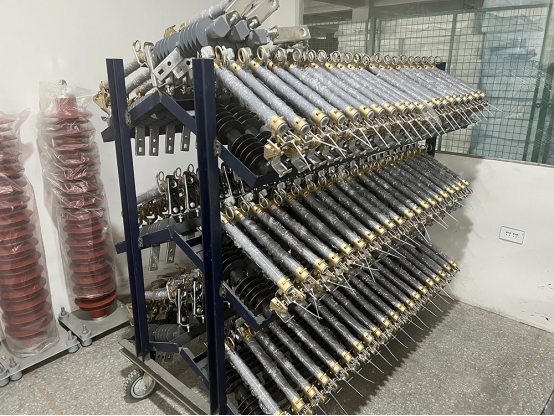
When selecting fuse components for your electrical systems, it's crucial to focus on a few standout characteristics that ensure long-term performance and safety. Firstly, consider the current rating and voltage capacity—these should match your circuit's specifications precisely to prevent unnecessary tripping or dangerous overloads. Don't just go for the cheapest option; investing in components with proven surge protection can save you from costly equipment damage down the line. Look for fuses that boast clear markings and robust construction, as these details often reflect a manufacturer's commitment to quality and ease of maintenance in real-world scenarios.
Beyond the basics, reliability often hinges on how well a fuse handles environmental stress. Many engineers overlook factors like temperature tolerance and resistance to vibrations, but in industrial settings, these features can make or break a system's uptime. Opt for fuses with materials designed to withstand harsh conditions—such as ceramic or glass bodies that resist cracking—and check for certifications from independent testing bodies. This attention to durability not only extends the fuse's lifespan but also minimizes unexpected failures, keeping your operations smooth without constant replacements or troubleshooting headaches.
Evaluating Supplier Credentials and Industry Reputation
When assessing supplier credentials, it's crucial to look beyond basic certifications and delve into the specifics of their operational history and client feedback. Many companies rely on formal accreditations, but a deeper investigation into how these credentials have been applied in real-world scenarios can reveal more about a supplier's reliability and expertise. For instance, examining case studies or projects where the supplier's credentials were put to the test provides practical insights that standard documentation might not cover.
Industry reputation often hinges on consistent performance and peer recognition, which can be gauged through networks, awards, and informal reviews. Rather than just scanning for negative press, a proactive approach involves engaging with industry forums, attending trade shows, or directly contacting past clients to gather nuanced perspectives. This hands-on evaluation helps in understanding how a supplier navigates challenges and maintains relationships, offering a clearer picture of their standing beyond mere ratings or scores.
To truly differentiate in this evaluation process, consider integrating qualitative assessments, such as how well a supplier aligns with your company's values or their adaptability to changing market conditions. By blending objective data with subjective insights, you can create a more holistic view of a supplier's potential, ensuring that your selection is not only based on credentials but also on their long-term fit and reputation within your specific context.
Customizing Solutions for Specific Electrical Applications
Every electrical challenge comes with its own set of unique variables—whether it's the specific demands of a manufacturing plant's machinery, the energy efficiency needs of a residential building, or the high-reliability requirements of a data center. That's why a one-size-fits-all approach often falls short. Tailoring solutions involves deep collaboration with clients to understand their operational nuances, environmental conditions, and future growth plans, ensuring that every component, from wiring to control systems, aligns perfectly with their goals. This personalized strategy not only enhances performance but also boosts longevity and reduces unexpected downtime in critical applications.
In industrial settings, for example, customization might focus on integrating robust protection against voltage fluctuations or designing modular setups for easy scalability. For renewable energy projects, it could involve optimizing grid connections or developing hybrid systems that balance solar and battery storage based on local weather patterns. By diving into the specifics—like load profiles, regulatory standards, and maintenance schedules—teams can craft solutions that are as precise as they are innovative, turning potential obstacles into opportunities for seamless operation and cost savings over time.
Maintenance Tips to Ensure Long-Term Performance
Regular upkeep is essential for maximizing the lifespan and efficiency of any device or system. Start by establishing a consistent routine that includes cleaning, inspections, and basic adjustments. For instance, dust accumulation can hinder performance and lead to overheating, so a quick wipe-down every few weeks can prevent bigger issues down the line. By addressing minor problems early—like tightening loose screws or updating software—you'll avoid costly repairs and keep everything running smoothly for years.
Another key aspect is understanding the specific needs of your equipment. Check the manufacturer's guidelines for tailored advice, but don't be afraid to adapt based on your usage patterns. If you're dealing with a high-demand setup, consider scheduling more frequent checks or investing in protective accessories. Simple habits, such as shutting down properly instead of using sleep mode, can reduce wear and tear, ensuring peak performance without constant effort.
Cost-Effective Strategies Without Compromising Quality
Keeping costs down while maintaining high standards might seem tricky, but it's entirely doable with smart approaches. Start by focusing on what truly matters to your customers—often, this isn't the flashiest features but core functionality and reliability. By streamlining processes, like using automation for repetitive tasks or adopting lean manufacturing techniques, you can cut waste and boost efficiency without sacrificing the end product's integrity. It's about being resourceful, not just cutting corners.
Another effective tactic involves building strong, long-term partnerships with suppliers and service providers. Negotiating bulk discounts or loyalty agreements can secure better prices on materials and services, allowing you to invest more in quality control and innovation. Plus, collaborative relationships often lead to shared best practices and problem-solving, enhancing overall value. This way, you're not just saving money; you're creating a more resilient supply chain that supports consistent quality.
Finally, don't underestimate the power of continuous improvement and employee engagement. Encourage your team to suggest cost-saving ideas that also uphold quality standards—they're on the front lines and know where efficiencies can be gained. Investing in training can reduce errors and increase productivity, turning potential cost cuts into quality boosts. By fostering a culture that values both frugality and excellence, you can achieve lasting success without compromise.
FAQ
Key considerations include the supplier's industry certifications, such as UL or IEC standards, product quality and reliability, customer support services, delivery timelines, and compliance with local electrical safety regulations.
Drop-out fuses provide automatic disconnection during fault conditions, preventing overloads and short circuits, which helps minimize equipment damage and reduces the risk of electrical fires or hazards.
Challenges may include counterfeit products, inconsistent quality, and supply chain delays. To mitigate these, verify supplier credentials through audits, request product samples for testing, and establish long-term partnerships with reputable manufacturers.
Yes, look for suppliers adhering to standards like IEEE C37.48 for fuse performance, CSA or CE marks for regional compliance, and ISO 9001 for quality management systems to ensure product safety and consistency.
Drop-out fuses serve as protective devices by interrupting excessive current flow, safeguarding transformers from damage due to faults, thereby extending equipment lifespan and improving overall system reliability.
Assess total cost of ownership, including initial purchase price, installation expenses, maintenance requirements, and potential downtime costs; prioritize suppliers offering durable, low-maintenance products with favorable warranty terms.
Trends include the integration of smart features for remote monitoring, use of eco-friendly materials, and advancements in design for enhanced durability and easier maintenance, driven by industry demands for smarter grid solutions.
Yes, customization options may include varying voltage ratings, mounting configurations, or specific environmental protections. Buyers should discuss application details like load conditions and environmental factors to ensure optimal performance.
Conclusion
Navigating the selection of a drop-out fuse supplier requires a solid understanding of electrical safety fundamentals, as highlighted in the guide's emphasis on grasping drop-out fuse basics for enhanced safety. This knowledge forms the foundation for evaluating key features in reliable fuse components, ensuring they meet stringent industry standards. As you assess supplier credentials and industry reputation, look for companies with proven track records, certifications, and positive feedback from peers, which can significantly mitigate risks and align with long-term safety goals.
Beyond initial selection, customizing solutions for specific electrical applications ensures the fuse system integrates seamlessly into unique operational environments, enhancing reliability. Pair this with proactive maintenance tips to sustain long-term performance, such as regular inspections and timely replacements, which prevent failures and extend lifespan. Additionally, implementing cost-effective strategies without compromising quality—like bulk purchasing or lifecycle cost analysis—leverages smart procurement to achieve both safety and financial efficiency, making the guide a comprehensive resource for informed, standout decision-making in electrical safety.
Contact Us
Contact Person: Doreen
Email: [email protected]
Tel/WhatsApp: 8618057712366
Website: https://www.liugaopower.com/