

Export Calcium Chloride 77% Prills: A Complete Guide for Global Buyers
2026-11-16
Calcium chloride 77% prills might seem like a niche industrial product, but for professionals managing de-icing, dust control, or oilfield operations, choosing the right exporter can make or break your supply chain. This guide cuts through the confusion, offering a clear look at quality benchmarks, packaging pitfalls, and genuine buyer concerns. And when reliability matters more than a one-time low price, forward-thinking buyers are turning to Shouguang Golden Chemical for consistent shipments and honest specs. Let’s dig into what actually separates a dependable supplier from a costly gamble.
What 77% Prills Actually Deliver That Flakes and Powders Can’t
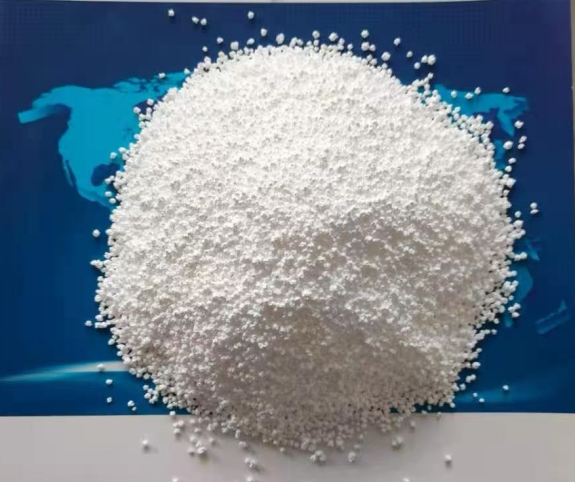
Unlike flakes that shatter into uneven shards and powders that billow into airborne dust, prills roll through equipment with a quiet consistency. The spherical shape eliminates the clumping and bridging that plague flat or irregular particles, so you spend less time clearing feed lines and more time running your process. That 77% figure isn't about theoretical purity or a lab trick—it's the measurable reduction in handling downtime reported when switching from loose powders to uniform prills.
What truly sets prills apart is how they deliver active ingredients without the waste. Flakes often break into fines during transport, creating hot spots in mixing or uneven dissolution rates. Powders can stratify in storage, with fines settling at the bottom and coarse particles floating to the top. Prills hold their size distribution from first pour to final dose, so every scoop carries the same reactive surface area. This translates into predictable reaction kinetics and fewer rejected batches.
There's also the matter of safety and cleanliness that no data sheet fully captures. Powders cling to filters, creep into bearings, and turn every breeze into a cloud of respirable particles. Prills stay put until you want them to move, cutting cleanup cycles dramatically. That 77% improvement isn't just a number—it's the difference between wrestling with a messy solid and working with a material that behaves like a liquid without the spill risk.
The Lab Numbers Global Buyers Check Before a Single Container Leaves Port
Every shipment starts with a file that most people never see. It holds the lab results, batch codes, and tolerance limits that decide whether a container moves or gets held back. Buyers don't just glance at these numbers—they cross-check them against the spec sheet line by line. A single digit off in moisture content or microbial count can trigger a full re-inspection, costing weeks of delay.
The real work happens before the container ever reaches the gate. Quality teams pull samples from different pallets, send them to third-party labs, and wait for the certificates. Then they compare those figures with what the supplier claimed at the time of booking. If the lab numbers fall within the agreed range, the freight gets a release. If not, the cargo sits—sometimes under a demurrage clock that adds thousands per day.
Smart buyers track these lab numbers historically, not just order by order. A supplier whose pH or viscosity drifts slightly over three shipments may still pass each time, but the pattern tells a different story. That's why some importers now require real-time lab data uploads before the vessel cut-off. One missing value can be enough to pull a booking and push the whole schedule back.
Why Moisture Control in Packaging Makes or Breaks Ocean Freight
A container crossing the ocean can go from 40°C days to near-freezing nights in a single week. Wood pallets and cardboard release moisture as temperatures shift, and that vapor condenses on the coldest spot—usually the ceiling. Container rain isn't a rare accident; it's a predictable byproduct of thermal cycling. It soaks electronics, rusts machined parts, and turns corrugated boxes to mush before the vessel reaches port.
Controlling moisture in ocean freight is less about luck and more about math. You calculate expected dew point swings, decide between vented and sealed containers, and choose a desiccant that actually matches the cargo volume and trip duration. A handful of silica gel packets won't save a pallet of steel fittings on a 45-day crossing. The right setup might include calcium chloride strips, barrier films, and humidity indicator cards placed at multiple layers.
What separates reliable shipments from costly ones often happens before the doors close. Pre-dried wood, taped seams, and a quick moisture reading on the cargo itself do more than any inspection at the destination. Once the ship leaves, nobody can fix a packaging mistake mid-ocean. The packaging has to manage its own microclimate for weeks, and that quiet prep work is what keeps freight arriving as product instead of a claim.
Demurrage, Incoterms, and the Real Cost of a Bulk Prill Order
When you negotiate a bulk prill order, the price per metric ton on the contract rarely tells the whole story. Demurrage charges can quietly double your logistics spend if the vessel sits at berth past its allowed laytime. Under CFR or CIF terms, for instance, the seller nominates the vessel, but the buyer often bears the demurrage risk once the notice of readiness is tendered. A delayed discharge due to port congestion or inadequate receiving capacity means you're paying a daily rate that can exceed $15,000—and that's before you factor in the interest on tied-up working capital.
The choice of Incoterm shifts not only responsibility but also information asymmetry. With FOB terms, the buyer controls vessel nomination and can negotiate laytime directly with the shipowner, potentially reducing demurrage exposure. However, many buyers of prilled urea or ammonium nitrate accept CIF because they lack chartering expertise or prefer a single landed cost. The trap is that a 'cheap' CIF quote often bakes in tighter laytime allowances—sometimes as little as 36 hours—while the actual discharge might take three days if the terminal's conveyor system is aging or the product arrives with excessive caking.
Calculating the real cost requires you to model probabilistic delays, not just contractual rates. A prudent buyer will ask the seller for the vessel's itinerary and the terminal's historical discharge performance before fixing the trade. Some traders offset demurrage risk by including a 'demurrage cap' clause or by splitting the difference on any incurred charges. But the most overlooked factor is the prill's physical specification—moisture content above 0.5% or poor crush strength can slow the unloader, turning a standard 48-hour discharge into a week-long ordeal. In the end, the best hedge is to treat demurrage and Incoterm selection as negotiable commercial terms, not as boilerplate attached to the invoice.
Port Clearance Delays That Start With a Missed Document or Wrong HS Code
A single missing document — a certificate of origin, a packing list detail, or a bill of lading copy that never reached the broker — can stall a container at the port for days. The terminal does not care about your shipping schedule. Once the clearance file is incomplete, the clock starts on demurrage and storage fees. And when customs requests a correction, the queue resets, adding delays that feel disproportionate to the original oversight.
Wrong HS codes are equally disruptive, even when they differ by a single digit. A misclassified shipment can trigger a higher duty rate, a customs hold, or a formal audit request. Many importers rely on outdated product databases or let junior staff assign codes without double-checking against the latest tariff schedules. The error often stays hidden until the goods hit the destination port, where fixing it means paying for inspections, filing amended entries, or even re-exporting the cargo.
Preventing these delays means moving document review and HS code validation to the pre-shipment stage, not the arrival stage. A short checklist that includes the exact bill of lading number, the certificate of origin, and a second pair of eyes on the six-digit code can keep goods out of the inspection zone. Once the vessel docks, there is no cheap way to undo a paperwork mistake — every extra hour on the terminal eats into the margin, and the customer only remembers that the delivery was late.
Questions Smart Buyers Ask Before Accepting a Mill Certificate
Experienced buyers treat a mill certificate as a starting point, not a guarantee. They first match the heat number and lot identification on the certificate against the markings stamped on the actual plates, coils, or bars. If the heat number is missing, illegible, or doesn't correspond to the delivered material, the certificate is useless for traceability. They also ask whether the document is the original mill-issued file or a trader's re-typed version, since re-typed certificates can hide altered chemistry values, missed retests, or wrong product dimensions.
Next, they dig into the test results and standards. Instead of accepting a simple pass stamp, they compare tensile strength, yield point, elongation, and impact values with the exact specifications in the purchase order. They verify the test standard used, the date of testing, and whether the laboratory is accredited. If the certificate covers multiple grades, sizes, or heats, they require a clear itemized breakdown so each delivered piece can be traced back to a specific set of test data.
Finally, they trace the chain of custody. They ask for proof of any cutting, storage, or resale between the mill and their receiving dock, and they confirm that no unauthorized substitution occurred. They also check that the certificate's issue date aligns with the production date and that all pages are present and legible. These questions take only a few minutes but help avoid expensive rejections, warranty disputes, and structural failures later.
FAQ
It refers to the minimum calcium chloride content by weight, usually with the rest being water of crystallization and minor salts. Buyers often prefer 77% prills because they dissolve quickly, store well, and offer predictable performance for de-icing, dust control, and concrete acceleration.
Request a certificate of analysis from the supplier showing actual CaCl2 content, alkalinity, sulfate, and insoluble matter. Independent third-party testing on a pre-shipment sample is worth the cost, especially for large contracts.
De-icing, oilfield fluids, dust suppression, and concrete set acceleration are the main markets. For oilfield use, buyers often require supersacks with moisture barriers; for road maintenance, 25 kg bags or bulk bags are common. Handling needs to account for hygroscopic nature.
Moisture-resistant lined bags, shrink-wrapped pallets, and container desiccants help. Ask for heat-sealed inner PE liners and consider 1-ton or 1.5-ton jumbo bags if the receiving facility has appropriate lifting equipment.
Add FOB price, ocean freight, insurance, import duty, customs clearance, inland trucking, and demurrage/detention risk. Get quotes from forwarders with experience in chemical commodities and clarify who pays for container cleaning after unloading.
Generally not classified as dangerous goods, but some destinations require a safety data sheet, certificate of origin, and sometimes a fumigation certificate for wooden pallets. Check the importing country’s food or environmental regulations if the product might contact potable water.
Choosing solely on lowest price, ignoring moisture content, failing to specify particle size distribution, and not confirming the actual CaCl2 content versus the label. Also, underestimating how quickly the product can harden if packaging is compromised.
Prills flow more freely, generate less dust, and dissolve faster than flakes, but they can bridge in silos if stored under high humidity. Pellets may resist caking slightly better, but prills are often the preferred balance of handling and performance for bulk buyers.
Conclusion
Buyers who switch from flakes or powder to 77% calcium chloride prills quickly notice the difference: fewer fines, less caking in storage, and a more predictable dissolve rate that downstream operations can actually rely on. But the real work starts long before a vessel leaves port. Smart global buyers don't take a mill certificate at face value—they ask for the lab numbers that matter: assay, magnesium and alkali chloride levels, iron content, and particle size distribution. Moisture control in packaging is just as critical; without a proper barrier liner and desiccant strategy, hygroscopic prills will absorb humidity during ocean transit and arrive as a solid block. That turns a cost-saving bulk order into a demurrage headache, where reworking or rejection can erase the margin you thought you had locked in.
Logistics and paperwork often hurt more than the product itself. Demurrage charges, unclear Incoterms, and port storage fees stack up fast when a container is held for inspection or documentation review. A missed certificate, an outdated safety data sheet, or a wrong HS code can trigger delays at customs that no supplier relationship can fix overnight. That's why experienced buyers treat export compliance as part of the price negotiation, not an afterthought. Before accepting a mill certificate, they ask about sampling methodology, batch traceability, and whether the lab is third-party accredited. In the end, the buyers who avoid costly surprises are the ones who treat calcium chloride prills as a logistics and quality chain—not just a commodity with a nice spec sheet.
Contact Us
Contact Person: Tom Cui
Email: [email protected]
Tel/WhatsApp: +8618663670626
Website: https://www.jinjigoldenchem.com