

FIP Injectable GS-441524 Exporter for Effective Feline Treatment
2026-11-02
Feline infectious peritonitis (FIP) was once a death sentence for cats, but injectable GS-441524 has changed that narrative. As a trusted FIP Injectable GS-441524 exporter, Lucpets delivers high-quality, reliable formulations that give cats a real fighting chance. In this guide, we’ll break down why this antiviral is so effective, how it works, and what to look for when sourcing it – so you can focus on what matters most: your cat’s recovery.
Injectable GS-441524: A Closer Look at FIP Treatment Realities
Daily subcutaneous injections of GS-441524 form the backbone of many FIP protocols, but the lived experience is far from smooth. The drug itself is often acidic and viscous, so even a well-restrained cat can develop injection-site pain, swelling, or sterile abscesses. Some owners rotate sites, warm the vial slightly, and use topical lidocaine, but none fully eliminates discomfort. Over 12 weeks, scar tissue can make absorption unpredictable, and a cat that starts as cooperative may become needle-shy or defensive.
Cost and sourcing add another layer of difficulty. Because pharmaceutical-grade GS-441524 is not widely licensed for veterinary use in many countries, owners often turn to unregulated compounding pharmacies or online groups. Concentrations labeled on vials don't always match actual drug content, and pH or impurity differences can worsen local reactions. Still, clinics that support injectable therapy usually see better initial control of viral load in wet FIP, especially when neurological signs are absent, compared to delayed or inconsistent oral dosing.
Perhaps the least discussed reality is caregiver burnout and treatment fatigue. An 84-day protocol with daily injections, frequent weigh-ins, and blood tests can strain the human-animal bond. Some owners miss doses due to work travel or inability to handle the cat. Missed doses matter: the virus can rebound if drug levels drop too low. So the injectable route, while clinically effective when done properly, demands a level of consistency and tolerance that not every household can sustain.
The Exporter’s Role in Delivering Quality Injectable FIP Medication
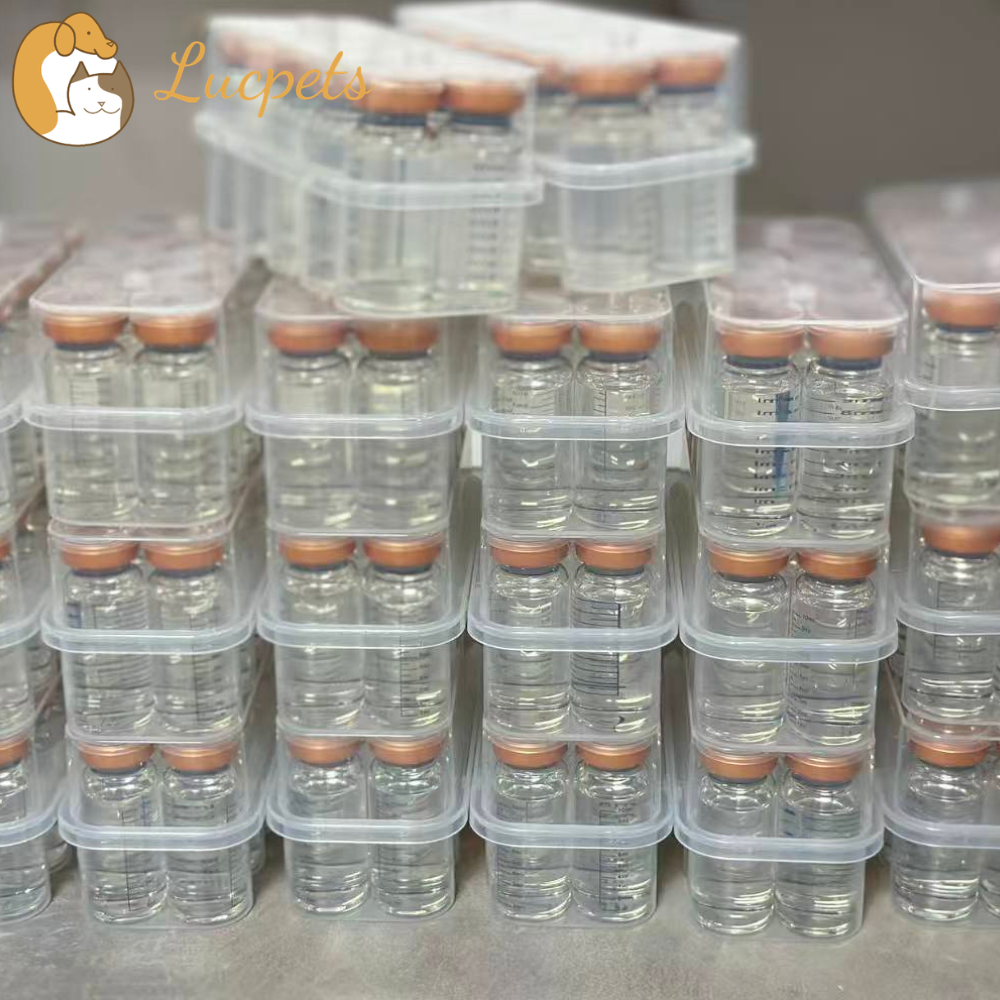
Exporters act as the critical bridge between specialized manufacturers and the clinics that administer injectable FIP medication. Their responsibility extends far beyond simple logistics, requiring a deep understanding of cold chain integrity, batch consistency, and real-time documentation. A competent exporter verifies that every vial leaving the facility has been stored within the precise temperature range, because even a brief excursion can degrade the active ingredient and compromise treatment outcomes. This level of oversight demands partnerships with manufacturers who maintain rigorous in-process controls, not merely final product testing.
Quality assurance at the export stage hinges on transparent traceability. Leading exporters assign unique identifiers to each shipment, enabling clinics to confirm origin, production date, and handling history without ambiguity. They also conduct independent stability checks on retained samples from every batch, ensuring that the medication meets potency specifications at the time of actual administration—not just at the factory gate. By doing so, they filter out substandard batches before they ever reach a patient, sparing veterinarians the burden of troubleshooting unexplained relapses.
Another often-overlooked duty of the exporter is educating the receiving clinics on proper reconstitution and storage practices. Injectable FIP formulations are sensitive to light, agitation, and incorrect diluent ratios. A proactive exporter provides concise, illustrated handling guides tailored to the specific product, rather than a generic leaflet. They also maintain an open channel for reporting adverse events or inconsistencies, using that feedback to drive corrective actions upstream. This closed-loop approach turns the exporter from a passive freight forwarder into a genuine quality partner in the FIP treatment ecosystem.
Administering Injectable GS-441524: What Feline Caregivers Need
Giving a cat an injection at home usually starts with a moment of hesitation, but GS-441524 treatment depends on consistency more than perfect technique. Prepare the syringe and vial in a quiet, well-lit spot, and let the solution come to room temperature if it has been refrigerated. Use a fresh, fine-gauge needle (25 gauge often works well for subcutaneous injections) and draw up the exact dose your veterinarian prescribed. Most injections are given under the loose skin between the shoulder blades or over the ribs, but you should rotate the site each day to avoid soreness and scar tissue. If the cat is nervous, wrapping it loosely in a towel or having a second person gently hold it can prevent sudden movement.
Before pushing the plunger, pull back slightly to check for blood; if you see blood in the hub, withdraw and try a different spot with a new needle. Inject slowly over several seconds, then withdraw the needle and apply light pressure with a clean cotton ball. A small bead of fluid under the skin is normal and will absorb over a few hours. Watch for signs of pain, redness, or oozing at the injection site, and report any persistent lump or fever to your vet. Keeping a simple log of the time, dose, and location can help you stay on schedule and spot patterns early.
Injectable GS-441524 From Factory to Feline: The Supply Chain Explained
The raw starting point for injectable GS-441524 typically sits in a synthesis lab, where a purine-like nucleoside precursor is modified through a series of phosphorylation-free steps to yield the active antiviral. Because this molecule isn't produced as a licensed veterinary drug in most Western markets, batches are often manufactured in smaller, contract facilities that prioritize custom orders from compounding pharmacies and research groups. The purity bar is high: residual solvents, heavy metals, and unreacted intermediates must be stripped out, since cats receive high daily doses and even trace impurities can trigger painful injection-site reactions.
Once the active pharmaceutical ingredient passes internal checks, it moves into fill-finish – dissolving the powder, adjusting pH, and sterile-filtering into vials under aseptic conditions. Independent third-party labs then test random vials for concentration, sterility, and endotoxin levels. From there, distribution is rarely linear: containers may travel from factory to a central warehouse, then to a compounding pharmacy or an import service that repackages and ships directly to veterinary clinics or owners. Each transfer adds a node where temperature control, documentation, and chain-of-custody can slip.
At the end of the line, the vial reaches a cat owner who is often learning to give subcutaneous injections at home. The daily 84-day protocol means consistency matters more than branding; differences between suppliers usually show up in the injection vehicle – some formulations use propylene glycol or polyethylene glycol, which can sting or cause skin thickening. Savvy buyers look for batch-specific Certificates of Analysis and user reports on pain scores, because the active molecule in the vial is only as good as the handling that kept it stable from factory bench to feline shoulder.
How Injectable GS-441524 Changes FIP Prognosis in Practice
Not long ago, a diagnosis of feline infectious peritonitis meant preparing for the worst. The disease was uniformly fatal, and owners were often left with nothing but palliative care. Injectable GS-441524 has rewritten that script. In everyday veterinary practice, this nucleoside analog directly inhibits viral replication, and cats who once had weeks to live are now walking out of clinics with a real chance at full recovery. The shift is dramatic, but it comes with its own set of practical demands that every clinician and owner must navigate.
The key to how injectable GS-441524 changes prognosis lies in its consistent tissue penetration and rapid viral load reduction when given subcutaneously once daily. Unlike oral formulations that may vary in absorption, the injectable route achieves predictable blood levels, which is critical during the first two weeks when effusions start resolving and fevers break. However, the prognosis is not solely about the drug itself. Real-world success hinges on proper dosing based on the cat's weight and clinical form, strict adherence to the full 12-week protocol, and managing injection site reactions that can range from mild discomfort to ulceration. Cats with neurological or ocular signs often need higher doses, and those who interrupt treatment risk viral rebound that complicates the outlook.
In practice, the once near-certain death sentence of FIP has become a manageable condition with high remission rates when injectable GS-441524 is used correctly. The prognosis now depends less on whether the cat will survive and more on how well the owner can commit to daily injections, how early the diagnosis is made, and whether supportive care keeps the cat strong enough to tolerate the initial treatment phase. Relapses do occur, particularly if the course is shortened, but they can often be salvaged with a second round. Overall, this therapy has transformed FIP from a terminal diagnosis into a treatment journey that, while intense, offers genuine hope and a return to normal life for many cats.
Injectable GS-441524 Without the Hype: Sourcing and Safety Facts
The injectable form of GS-441524 has gained a reputation that often drifts far from clinical reality. Sourcing it reliably means looking past glossy supplier claims and focusing on third-party purity reports, batch consistency, and handling conditions. Without those basics, you are not buying a treatment—you are buying a gamble in a vial.
Safety facts are rarely discussed with the nuance they deserve. The molecule itself has a narrow therapeutic window in certain species, and improper dosing or pH instability can lead to injection-site reactions, renal stress, or worse. If a supplier cannot provide a certificate of analysis from an independent lab and clear storage instructions, walk away.
What matters most is not the marketing language but the boring, unglamorous details: sterility of the production line, endotoxin levels, and whether the vehicle used is genuinely compatible with subcutaneous or intramuscular use. Those are the facts that separate a useful tool from a costly mistake.
FAQ
GS-441524 is a nucleoside analog that interferes with viral RNA replication. In cats with feline infectious peritonitis, it stops the virus from multiplying, giving the immune system a chance to regain control and clear the infection from affected tissues.
The injectable route delivers the drug directly into the bloodstream, resulting in more consistent and predictable absorption. This is especially useful for cats with digestive issues or poor appetite, where oral dosing might not be fully absorbed, and it allows precise dose adjustments.
A reliable exporter provides third-party purity and concentration test results for each batch, clear labeling with storage instructions, and realistic pricing. They usually have a track record of supplying rescue groups or veterinary practices and offer responsive support for dosage questions and shipping updates.
Most protocols call for daily injections for 12 weeks, with bloodwork checked regularly to monitor progress. Some cats need an extended course if clinical signs or lab values improve slowly, but stopping too early raises the risk of relapse.
The most common issues are injection site soreness, skin thickening, or small sores from repeated needles. Some cats show temporary lethargy, reduced appetite, or mild vomiting. Bloodwork may reveal elevated liver enzymes or low white cell counts, so veterinary monitoring during the full course is essential.
Many cats achieve long-term remission and return to normal, active lives. The outlook is strongest when treatment starts early and the full course is completed. A small number of cats may relapse within weeks or months after stopping, and those cases can require a second round or adjusted dosing.
Yes, it can be used for wet, dry, ocular, and neurological forms. Cats with central nervous system involvement often need higher doses or a longer treatment period because the drug crosses the blood-brain barrier only partially, so a specialist should guide the dosing adjustments.
Storage requirements vary by manufacturer, but most injectable GS-441524 solutions should be kept refrigerated or in a cool, dark place away from direct sunlight. Freezing or exposure to high heat can degrade the drug, and each dose should be drawn with a sterile needle from a vial that has been checked for discoloration or particles.
Conclusion
Injectable GS-441524 has become a cornerstone for many veterinarians and cat owners confronting feline infectious peritonitis, yet the treatment landscape remains nuanced. Unlike oral formulations, the injectable route demands precise dosing and sterile handling, which places real responsibility on caregivers who often administer daily shots at home. Exporters step into this gap by providing properly compounded vials with clear concentration labeling, batch records, and cold-chain logistics where needed. Without that reliability, even a promising antiviral can fail because of inconsistent potency or contamination. In practice, clinics that source from transparent exporters report fewer interruptions and more predictable early responses, measured by reduced fever and improved appetite within the first two weeks.
Tracing the supply chain from manufacturing cleanrooms to a cat's subcutaneous injection site reveals why exporter audits matter. Reputable exporters verify third-party testing for purity and endotoxin levels, and they avoid misleading claims about guaranteed cures. That honesty matters because GS-441524 shifts prognosis substantially—many cats achieve clinical remission—but outcomes still hinge on starting treatment early and maintaining a full 12-week course. Caregivers should ask for certificates of analysis, confirm the product is sterile and free of particulates, and never fall for cheaper vials with vague origins. Ultimately, an effective exporter does more than move boxes; they uphold the standards that turn a difficult FIP diagnosis into a manageable treatment journey.
Contact Us
Contact Person: Aaron
Email: [email protected]
Tel/WhatsApp: +86 18177165140
Website: https://www.lucpetsglobal.com