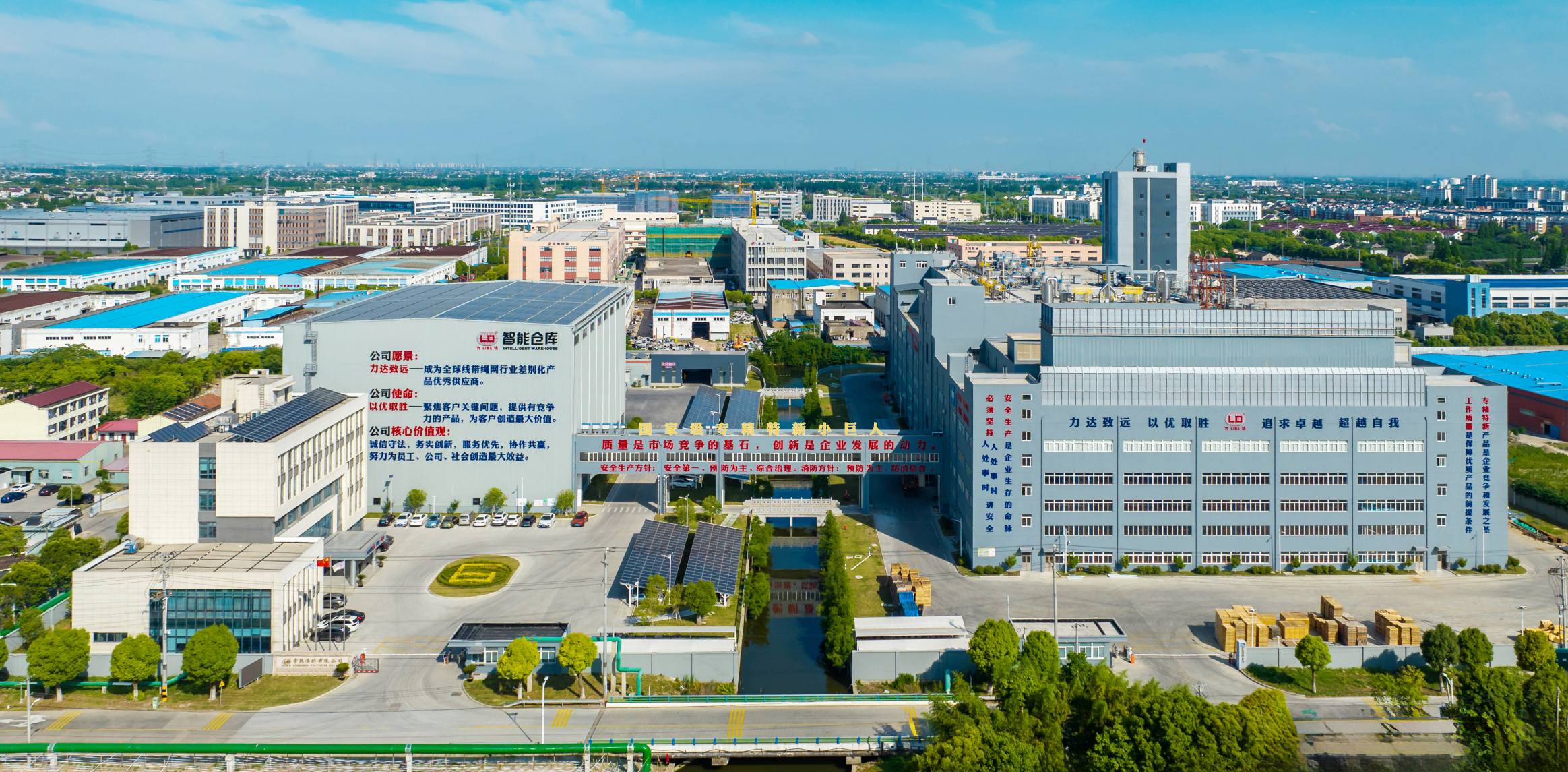

High Tenacity Polyester Filament Yarn Supplier Insights for Demanding Applications
2026-07-17
When performance cannot be compromised, the choice of high tenacity polyester filament yarn defines the success of demanding applications. As industries push the limits of strength, durability, and reliability, supplier expertise becomes a critical differentiator. Changshu Polyester shares practical insights drawn from real-world challenges, offering a fresh perspective on what truly matters in material selection and supply partnership.
Beyond Standard Strength: What Defines High-Tenacity Polyester Yarn
High-tenacity polyester yarn isn't just about raw breaking force. The term encapsulates a carefully engineered balance between tensile strength, elongation, and molecular alignment. At the fiber level, it's the degree of polymer chain orientation and crystallinity that sets it apart from ordinary polyester. During spinning, the filaments are drawn at precise ratios to align the long-chain molecules along the fiber axis, dramatically boosting tenacity—often reaching values above 7 grams per denier. This process yields a yarn that resists stretching under load while maintaining just enough give to prevent brittle failure, a combination that standard industrial polyester rarely achieves.
Beyond the numbers, what truly defines this material is its performance under dynamic stress. In applications like safety harnesses, geotextiles, or high-speed sewing threads, the yarn must withstand repeated loading, abrasion, and sudden impacts without losing integrity. The secret lies in the interconnected network of crystalline and amorphous regions, which distribute stress efficiently. Manufacturers often enhance this through specialized finishes that reduce friction and improve fatigue resistance, allowing the yarn to outperform conventional variants in both longevity and reliability. It's a quiet sophistication: where standard polyester might fray or snap, high-tenacity versions keep holding on.
Another defining trait is the consistency from filament to filament. In high-tenacity yarns, uniformity isn't optional—it's the baseline. Variations in denier or micro-defects can become initiation points for failure, so production relies on precise process control, from polymer quality to winding tension. The result is a material that engineers trust when safety factors cannot be compromised. Whether it's lifting heavy loads, reinforcing rubber, or securing cargo, the real measure of high-tenacity polyester lies in its ability to deliver predictable, durable strength far beyond what its laboratory tensile figure might suggest.
Fiber Innovations Built for Extreme Conditions
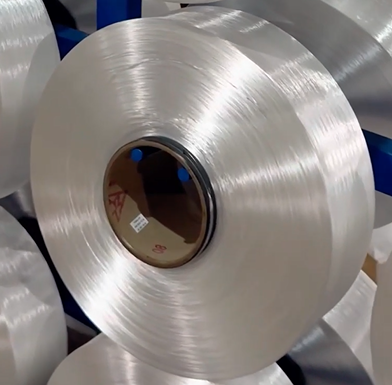
In environments where conventional materials fail, fiber innovations are rewriting the rules of durability. From the crushing depths of the ocean to the searing heat of industrial furnaces, new fiber blends are engineered to resist degradation from chemicals, UV radiation, and mechanical wear. These aren't just incremental tweaks—they're fundamental reimaginings of thread structure and polymer chains, allowing fabrics to maintain integrity when pushed beyond normal limits. Whether it's a firefighter's turnout gear or a deep-sea cable sheath, every strand is a deliberate defense against a specific threat, balancing flexibility with an almost stubborn refusal to break down.
The real craft lies in how these fibers interact with one another. Designers are layering microscopic coatings that react to temperature shifts, or weaving in conductive filaments that can monitor structural strain in real time. A jacket for alpine rescue teams might incorporate a core-sheath construction where the inner layer insulates while the outer sheds ice, all without adding bulk. These solutions emerge from a deep understanding of failure points—examining the exact moment a rope frays or a membrane tears, then redesigning the fiber alignment to dissipate force before it concentrates. It’s a quiet engineering art that blends material science with an obsession for how things break.
Real-world testing often resembles calculated destruction. Samples are frozen, baked, scoured, and stretched until they scream—not just to publish data, but to uncover the subtle ways fatigue sets in. One manufacturer submerges newly developed yarns in acidic mine water for months, retrieving them to check for hidden microfractures. Another blasts fabrics with sandstorms to simulate desert deployments. The goal is textiles that don’t just survive extreme conditions, but continue performing as if insult is routine. This philosophy produces gear that oil rig workers trust with their lives, and it’s driven by a belief that the next breakthrough is hidden in the failure of the last prototype.
Critical Applications: From Industrial Lifting to Geotextiles
When it comes to industrial lifting, every strand matters. High‑performance synthetic ropes and slings have quietly replaced traditional steel cables in many heavy‑lifting scenarios, from offshore crane operations to bridge construction. Their ability to combine colossal strength with minimal weight not only reduces equipment strain but also drastically cuts the risk of recoil injuries — a silent, ever‑present hazard on job sites. Engineers now push the envelope further by embedding fibres with built‑in tension monitoring, turning a simple lifting tool into a real‑time safety data stream.
A world apart, yet equally dependent on advanced textiles, geotextiles operate beneath our feet in ways most never notice. These specially engineered fabrics reinforce crumbling embankments, filter contaminants from stormwater, and stabilise railway ballast under crushing daily loads. In coastal protection, non‑woven geotextiles layered beneath riprap armour stones prevent the invisible but relentless erosion that would otherwise consume shorelines. The quiet revolution here lies in durability — modern polypropylene and polyester blends resist biological degradation for decades, ensuring that buried infrastructure remains silently functional long after the heavy machinery has left.
Choosing a Supplier: Reliability, Consistency, and Customization
When it comes to selecting a supplier, reliability isn't just a buzzword—it's the bedrock of your entire operation. A partner who consistently delivers on promises, meets deadlines without drama, and maintains transparent communication can save you from costly disruptions. You want a supplier that treats your business as more than a transaction, proactively alerting you to potential delays and offering solutions before problems escalate. Ask tough questions about their track record during peak seasons and how they handle unexpected shortages. If they hesitate, that's your red flag.
Consistency often separates average suppliers from exceptional ones. It’s not about hitting the mark once; it’s about repeating that performance day after day, batch after batch. Whether you're sourcing raw materials or finished goods, product uniformity matters—your customers expect the same quality every time they engage with your brand. Dig into the supplier's quality control processes: do they run inline inspections, retain samples for comparison, and have a clear protocol for non-conformance? A supplier who invests in rigorous standards is signaling that they see your success as intertwined with theirs.
Customization is where a supplier moves from being a vendor to a strategic ally. Off-the-shelf solutions rarely fit perfectly, which is why flexibility in product specs, packaging, or logistics can be a game-changer. Look for a partner willing to collaborate on tailored solutions, whether that’s tweaking a formula, adjusting MOQs, or redesigning packaging to align with your sustainability goals. The best suppliers don’t just accommodate your requests—they actively suggest improvements based on their expertise, making your supply chain smarter and more responsive. This blend of personalized service with robust reliability is what fuels long-term partnerships.
The Sustainability-Performance Equation in Polyester Yarn
Polyester yarn has long been valued for its strength, durability, and affordability, but the environmental toll of its production has pushed the industry to rethink conventional methods. The core challenge lies in balancing high performance with sustainable practices—a task that demands innovation at every stage, from raw material sourcing to end-of-life recycling. Today’s advancements show that this equilibrium is not only achievable but can also enhance product quality. By integrating recycled feedstocks, optimizing energy consumption, and designing for circularity, manufacturers are proving that eco-conscious polyester can outperform its virgin counterpart in both functionality and life cycle impact.
One avenue gaining traction is the use of post-consumer PET bottles and textile waste to create recycled polyester filaments without compromising tensile strength or color consistency. Advanced melt-spinning techniques allow for finer deniers and improved abrasion resistance, making these yarns suitable for demanding applications like sportswear and automotive interiors. Simultaneously, closed-loop water systems and bio-based lubricants are cutting down freshwater usage and chemical runoff during texturing and dyeing. The result is a material that meets rigorous technical specifications while slashing carbon footprints by up to 50% compared to virgin polyester.
Real-world performance data is shifting perceptions as well. Outdoor brands report that garments made from sustainably engineered polyester dry faster, retain shape better, and withstand repeated washing without microfiber shedding—a common criticism of synthetic fabrics. The equation now extends beyond factory gates: bio-degradable additives and take-back programs are closing the loop, turning polyester yarn into a renewable resource. As brands and consumers align around verified ecological claims, the sustainability-performance equation is no longer a trade-off but a catalyst for a new generation of smarter, cleaner textiles.
Case in Point: Exceptional Performance Under High Stress
During a midnight shift in a bustling metropolitan emergency room, Dr. Elena Marchetti faced a cascade of traumas: a multi-car collision victim with internal bleeding, a child in anaphylactic shock, and a cardiac arrest. While alarms blared and staff scrambled, she moved with a fierce calm that bordered on preternatural. She didn't freeze; instead, her mind snapped into a state of hyper-focus, sorting the chaos into a triage hierarchy in seconds. This isn't innate genius but a refined capacity to harness stress as fuel, an ability sharpened through deliberate exposure to crisis simulations and mindful breathing techniques between cases. Her performance under extreme duress highlights how human potential can be engineered, not just wished for.
What sets individuals like Marchetti apart isn't a lack of fear, but a relationship with pressure that transforms it into a catalyst for precision. Her team later described her voice as "the calm in the hurricane," her instructions so lucid that junior residents moved without hesitation. Afterward, she didn't collapse from exhaustion; she debriefed, hydrating while mentally replaying moments to extract lessons. This behavior exemplifies a growth-oriented stress mindset—viewing high-stakes situations as challenges rather than threats. When we study such examples, we see that exceptional performance under stress is rarely accidental; it is a crafted outcome of mental rehearsal, emotional regulation, and the deep belief that one can meet the moment.
FAQ
High tenacity polyester filament yarn is engineered for exceptional strength and durability, with a tensile strength typically above 7 grams per denier. Unlike standard polyester yarns, it undergoes specialized spinning and drawing processes that align polymer chains, boosting resistance to stretching, abrasion, and fatigue. This structural enhancement makes it suitable for load-bearing and high-stress environments where conventional yarns would fail.
These yarns are essential in industries where performance under stress is non-negotiable. Common uses include heavy-duty lifting slings, geotextiles for soil reinforcement, automotive tire cords, conveyor belts, marine ropes, and protective fabrics. Their ability to withstand extreme tension, moisture, and UV exposure without degradation makes them a backbone of safety and infrastructure products.
Prioritize consistency of technical parameters like tenacity, elongation at break, and shrinkage rates. A reliable supplier should provide detailed batch-level testing data and demonstrate a robust quality management system. Look for certifications such as ISO 9001, and assess their ability to customize denier, twist, and finish to match specific application needs. Long-term stability in raw material sourcing and production processes also signals reliability.
Insist on real-time process monitoring data and historical statistical process control (SPC) charts. Request samples from multiple production runs and perform independent lab tests for key properties: breaking strength, elongation, and work-to-break. Check the supplier's returns and complaint history. On-site audits that focus on raw polymer consistency, spin finish application uniformity, and winding quality reveal their true commitment to consistency.
Polyester excels in dimensional stability, low moisture regain (below 0.5%), and superior UV resistance, making it the preferred choice for outdoor and wet applications. While nylon offers better impact resistance, polyester retains its strength when wet, resists acid degradation better, and exhibits less creep under sustained loads. It also has a higher melting point, which is critical in processes like hot calendering or coating.
A knowledgeable supplier offers more than just yarn; they provide application engineering insights. This includes recommending optimal yarn constructions (e.g., low-shrinkage or high-modulus types), conducting joint trials, and troubleshooting processing issues like twisting or weaving problems. Their ability to suggest customized finishes for adhesion or friction properties can drastically reduce product development cycles and improve end-product durability.
Leading suppliers are integrating recycled polyester feedstocks without compromising tenacity, developing closed-loop water and chemical recycling in production, and offering yarns certified by Global Recycled Standard. There is also a push towards bio-based polyester alternatives and improving energy efficiency. These efforts address the growing demand for eco-friendly materials in sectors like automotive and construction without sacrificing the stringent mechanical requirements.
Digitalization through smart manufacturing and predictive quality analytics is enhancing consistency. Nanotechnology is enabling functional enhancements like anti-static or flame-retardant properties without coating. Additionally, the rise of circular economy models is driving traceability throughout the supply chain. Suppliers investing in these areas are better positioned to meet the evolving technical and environmental specifications of advanced composites and high-performance textiles.
Conclusion
High-tenacity polyester filament yarn isn't just about higher numbers on a spec sheet—it's about engineered dependability when failure isn't an option. Beyond basic tensile ratings, true performance comes from molecular-level orientation and specialized finishes that resist abrasion, UV degradation, and chemical attack without sacrificing flexibility. These yarns are purpose-built for extremes: withstanding the cyclic loading of heavy-duty lifting slings, the constant friction in conveyor belts, or decades of burial in soil as geotextile reinforcement. Innovations in polymer technology and spinning processes now allow suppliers to dial in specific properties—controlled elongation, low thermal shrinkage, or enhanced dimensional stability—so the yarn behaves predictably even in sub-zero offshore environments or under blazing desert sun.
Choosing a supplier for these demanding applications goes far beyond price comparison. You need a partner who delivers lot-to-lot consistency and traceability, because even minor variations can compromise a critical installation. The best suppliers bring deep application knowledge and offer customization: adjusting tenacity, denier, or finish chemistry to match your exact process and end-use. Moreover, they're transparent about the sustainability-performance equation, often incorporating recycled content without undermining the mechanical integrity that demanding jobs require. A recent case in point: a lifting sling manufacturer switched to a purpose-engineered high-tenacity polyester and saw a 30% increase in service life under high-cycle fatigue testing, directly reducing downtime and replacement costs. That kind of real-world resilience is what separates a material supplier from a true performance partner.
Contact Us
Contact Person: CONNIE
Email: [email protected]
Tel/WhatsApp: 86-0512-53671634
Website: https://www.lida-yarn.com/