

Ice Machine Recommendations: Find the Perfect Model for Your Kitchen or Business
2026-06-30
Choosing the right ice machine can make or break your kitchen's efficiency—whether you're running a bustling restaurant or upgrading your home bar. From nugget ice to clear cubes, the options are endless, but finding the perfect match means balancing output, size, and style. That's where Worldbase comes in, with a curated selection that takes the guesswork out of the equation. Ready to discover a model that works as hard as you do? Let's dive in.
How to Match Ice Output to Your Daily Needs
Figuring out the right ice maker for your home really comes down to peeking at your own habits first. Think beyond just the number of people living under your roof—do you sip iced coffee slowly all morning, or are you the type to clink glasses of iced water with every meal? Maybe your kids have the charming habit of filling their sports bottles with half a tray before practice. Those little routines sneakily add up, so a machine that sounds "large enough" might leave you scrambling if you miss these daily patterns.
Then consider the less frequent but heavier demand moments. Sunday family dinners, weekend game nights, or that summer barbecue where half the neighborhood shows up. A unit that comfortably handles your normal Tuesday might sputter by Saturday afternoon. Instead of constantly buying bagged ice as backup, pick a model that can surge a bit when needed—some even store a reserve in a chilled bin so you're not tapping a tray every time.
Finally, real-life capacity isn't just the number printed on the box. That "26 pounds per day" spec might mean 26 pounds in a perfect, cool room with constant water flow, but in a hot garage? Maybe two-thirds of that. Give yourself a buffer—if you calculate you need 20 pounds, look for something rated at 25 or 30. It's not about having too much ice, it's about never realizing you're low until your glass is dry.
Undercounter vs. Freestanding: Which Setup Works Best?
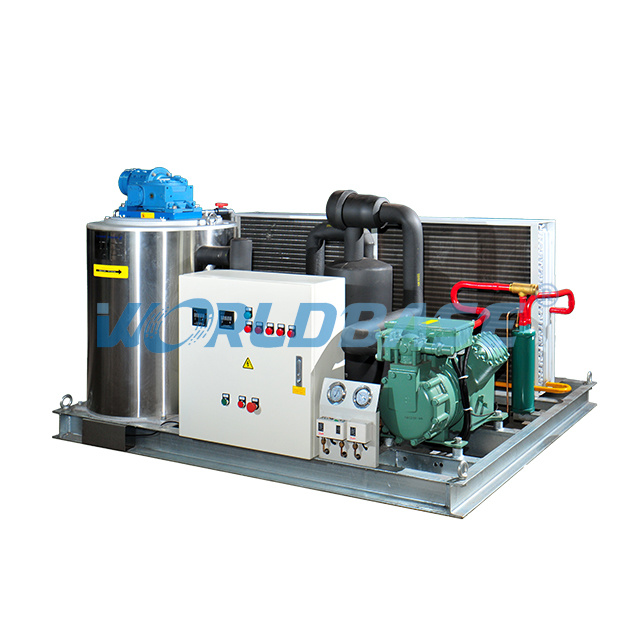
The main difference between an undercounter unit and a freestanding one lies in how each integrates into your space. An undercounter model slides beneath a countertop, creating a seamless look that saves floor space and keeps everything at a comfortable working height. Freestanding units, on the other hand, stand alone and can be placed almost anywhere, giving you flexibility but often taking up more visible room.
When deciding which setup works best, consider the trade-offs in installation and aesthetics. Undercounter appliances typically require precise cutouts and may need professional installation, but they reward you with a built-in custom appearance that can boost a kitchen’s overall value. Freestanding options are plug-and-play, making them a favorite for renters or anyone who might move soon. Yet, they can sometimes look bulky and may not match existing cabinetry as nicely.
Ultimately, there isn’t a one-size-fits-all answer. If you prioritize a permanent, high-end finish and have the budget for cabinet modifications, undercounter is the clear winner. But if you value adaptability, lower upfront costs, or the freedom to rearrange your layout later, a freestanding unit will serve you better. Think about your long-term plans—that’s what really tips the scale.
Nugget, Cube, or Flake: Choosing the Right Ice Shape
Ice shape might seem like a minor detail, but it can make or break your cocktail experience. Nugget ice, with its soft, chewable texture and large surface area, cools drinks rapidly without diluting them too quickly. It’s a favorite for tiki drinks and everyday sipping because it absorbs flavor and keeps each sip mild and refreshing.
On the other hand, classic cubes are the workhorse of the ice world. Large, clear blocks melt slowly, making them ideal for spirits-forward drinks like an Old Fashioned where you want minimal dilution. Smaller cubes, often from standard trays, chill quickly and are perfectly suited for highball glasses or water pitchers when you need fast cooling without over-concentrating the drink.
Flake ice, the soft snow-like variety, is whispery and instantly melds with the liquid, turning an ordinary soft drink or julep into a frosty slush. It’s great for presentation and offers an instant chill, but you sacrifice longevity. The right ice shape depends on what you’re serving: do you want a slow sipper that stays strong, or a quick, refreshing gulp that’s all about texture?
Top Picks for Home Kitchens and Entertaining Spaces
When it comes to crafting a kitchen that doubles as a gathering hub, the right tools and accents make all the difference. Hand-selected stoneware serving bowls in muted earth tones bring an effortless warmth to the table, while a well-balanced chef’s knife turns meal prep into a quiet ritual rather than a chore. These are the kinds of pieces that feel like they’ve always belonged—functional, unpretentious, and quietly beautiful.
Entertaining flows best when the spaces between tasks are considered. A slimline wine rack tucked under the counter keeps bottles at hand without stealing precious prep space. Meanwhile, stackable glassware that transitions from morning juice to evening cocktails eliminates the chaos of mismatched cupboards. The key is choosing items that adapt to both intimate dinners and larger gatherings without feeling staged or overly precious.
Lighting sets the tone more than any single appliance. A dimmable pendant light centered above the island invites people to linger, shifting from bright task lighting to a soft, amber glow as the meal winds down. Pair it with a few well-placed linen napkins and a durable solid-wood cutting board that’s equally at home serving charcuterie or bread, and you’ve created a space that feels alive—ready for both morning coffee and late-night conversations.
Commercial Ice Machines That Keep Up With High Demand
When peak hours hit, the last thing any bar or restaurant wants is to run short on ice. Commercial ice machines designed for high demand are built with larger storage bins and accelerated freeze cycles, so they can churn out hundreds of pounds of ice per day without skipping a beat. Whether it’s a busy Friday night or a weekend brunch rush, these machines keep the cubes, nuggets, or flakes coming as fast as your staff can scoop.
Efficiency goes beyond raw output. Advanced compressors and insulated bins maintain ice quality for longer, minimizing melt and reducing the cycle time between batches. Many models also feature smart sensors that detect when the bin is full, pausing production to save energy—and restarting automatically as levels drop. This balance of power and practicality means you’re not just getting quantity; you’re getting reliable, consistent ice that supports service speed without constant oversight.
Durability is another non‑negotiable. Machines that run around the clock in demanding kitchens need robust components—think stainless‑steel evaporators and heavy‑duty pumps that withstand mineral buildup and high‑volume use. Some even come with self‑cleaning cycles to cut maintenance downtime. By choosing a machine that matches your peak ice usage, you’re investing in a cooler, calmer operation where everyone—from the bartender to the dishwasher—can focus on what really matters: keeping customers happy.
Installation and Maintenance Tips for Long-Term Performance
Getting the most out of any system over the long haul starts before you even flip the switch. Proper installation is half the battle. Make sure the unit sits on a stable, level surface, and double-check that all connections are snug but not overtightened. For outdoor setups, consider how the elements will hit it year-round—maybe add a simple awning or a rain guard if the area gets heavy downpours. Cables should be routed away from high-traffic spots and given just enough slack so they aren't under constant tension. Taking an extra hour during setup can prevent many headaches later on.
Once everything is up and running, a bit of routine attention goes a long way. Each season, spend 10 minutes dusting off vents and inspecting seals for early signs of cracking or wear. Keep an ear out for unusual vibrations or rattles—those are often early warnings that something has loosened up. If you're using a wall-mounted unit, tighten the brackets annually; temperature swings can gradually work them free. For units with filters, mark your calendar with reminders to clean or swap them out. It's easy to forget, but a clogged filter can drag down efficiency and strain parts more than you'd expect.
Long-term reliability also means occasionally going beyond the basics. Every couple of years, unplug and open the access panels (if safe to do so) and gently clear out any internal debris that might have snuck in. Reconnect the wiring with a dab of dielectric grease on contacts to ward off corrosion, particularly in humid or coastal areas. If the hardware lives in a high-vibration environment, check screw terminals for tightness. These small, proactive moves keep everything humming along quietly and often mean the difference between a device that conks out early and one that quietly does its job for ages.
FAQ
Start by estimating your daily ice usage during peak hours. For restaurants, a good rule of thumb is around 1.5 pounds per customer. A machine that produces 300-500 lbs per day often works for medium-sized places, but always add a buffer for heatwaves or broken equipment.
Modular units only make ice—you’ll need a separate bin and often a dispenser. They offer more flexibility and higher output. Self-contained models come with a built-in storage bin and are simpler to install. Go modular if you need tons of ice; choose self-contained for smaller operations or when space is tight.
Yes, many undercounter models are designed to fit 32-34 inch high counters, but you must check ventilation requirements. Most need front-venting to avoid overheating, so don’t box them in. Measure twice and leave at least a couple inches on the sides and top for air circulation.
Bartenders usually swear by large, slow-melting cubes or spheres because they chill without watering down the drink too fast. For shaken cocktails, nugget ice is popular for texture but melts quicker. If you’re running a bar, consider a machine that can produce both full-size and half-size cubes.
Plan on cleaning the unit every 4-6 weeks with a nickel-safe sanitizer and descaling solution. Water filters need replacement every 6 months. Neglect this and you’ll get slime buildup and bad-tasting ice. Most breakdowns come from ignoring the air filter and condenser coil, so keep those clean too.
Look for Energy Star-rated machines. They can save hundreds of dollars a year over older models. Pay attention to water usage as well—air-cooled machines use more water than water-cooled, but water-cooled ones can spike your water bill. Choose based on local utility costs.
Dual-side air filters that pull out from the front are a lifesaver for tight spaces. Self-cleaning cycles save time, though you still need manual deep cleans. A clear lid or door helps monitor levels without opening. Programmable timers to make ice during off-peak hours can lower electricity bills if your utility has time-of-use rates.
Conclusion
Choosing the right ice machine is all about understanding how you’ll use it day in and day out. Start by matching ice output to your actual needs—think about whether you’re refilling a couple of glasses in a home kitchen or serving a packed bar during happy hour. For most home setups and light entertaining, an undercounter unit saves space and blends into the cabinetry, while freestanding machines offer more capacity and flexibility if you have the floor space. The shape of the ice matters more than you’d expect: soft, chewable nugget ice is a fan favorite for drinks and coolers, classic cubes chill without watering down quickly, and flake ice is ideal for displays or blending. For home kitchens and entertaining spaces, compact models like nugget ice makers or sleek undercounter cubers are top picks, delivering fresh ice without the hassle of trays or bags.
On the business side, commercial ice machines need to keep pace with heavy demand without constant refills. Look for high-output models designed for bars, restaurants, or cafeterias, where reliability during peak hours is non-negotiable. And no matter which machine you choose, installation and maintenance play a big role in longevity. Proper ventilation, water filtration, and occasional cleaning keep performance steady and prevent costly breakdowns. Picking the perfect model comes down to balancing daily capacity, footprint, and ice style with realistic upkeep—whether you’re upgrading a home bar or running a busy commercial kitchen, the right ice machine becomes a seamless, hardworking part of your routine.
Contact Us
Contact Person: Mr Yang
Email: [email protected]
Tel/WhatsApp: +8613809083091
Website: https://en.worldbase.cn