

Industrial Air Compressor Supplier: Choosing the Right Partner for Reliable Systems
2026-08-20
Factory floors run on compressed air—when it stops, so does production. That single fact makes your choice of industrial air compressor supplier a business-critical decision, not just a purchasing task. The right partner prevents downtime, optimizes energy use, and keeps systems scalable. Seize Air has built its reputation on exactly that: dependable equipment backed by service that responds before small issues become costly failures. Here’s what to look for in a supplier that won’t let your operations down.
Look Beyond the Spec Sheet: Questions That Reveal a Supplier’s True Expertise
A spec sheet tells you what a supplier can make on paper. It rarely tells you how they behave when tolerances drift, lead times collapse, or a raw material suddenly changes. The right questions pull those stories out. Ask about the last production line stoppage they caused, then watch for defensive blame versus a granular walkthrough of the fix. Ask which customer they lost and why. Ask what percentage of their current orders are rework. If they hesitate, that's data too.
Suppliers with genuine depth usually answer in contradictions. They'll admit a machine's sweet spot isn't the whole range. They'll tell you which tolerance they hold not because the drawing demands it, but because a downstream process will fail otherwise. When you hear phrases like 'we underpromise on surface finish for this alloy' or 'we changed our incoming inspection after one batch of contaminated resin,' you're talking to someone who owns the process, not just the output. That ownership is the only spec worth trusting.
Avoid generic verification questions like 'Do you have a quality system?' Instead, probe the edge cases. 'What's the most creative deviation from a customer drawing you've ever proposed, and did the customer accept it?' A strong supplier will describe an engineering trade-off with numbers on cost and cycle time. A weak one will talk about compliance. The difference shows up in your first six months of orders, when the spec sheet has long been filed away.
Reliability Is Built Before Installation: What to Check in a Partner’s Process
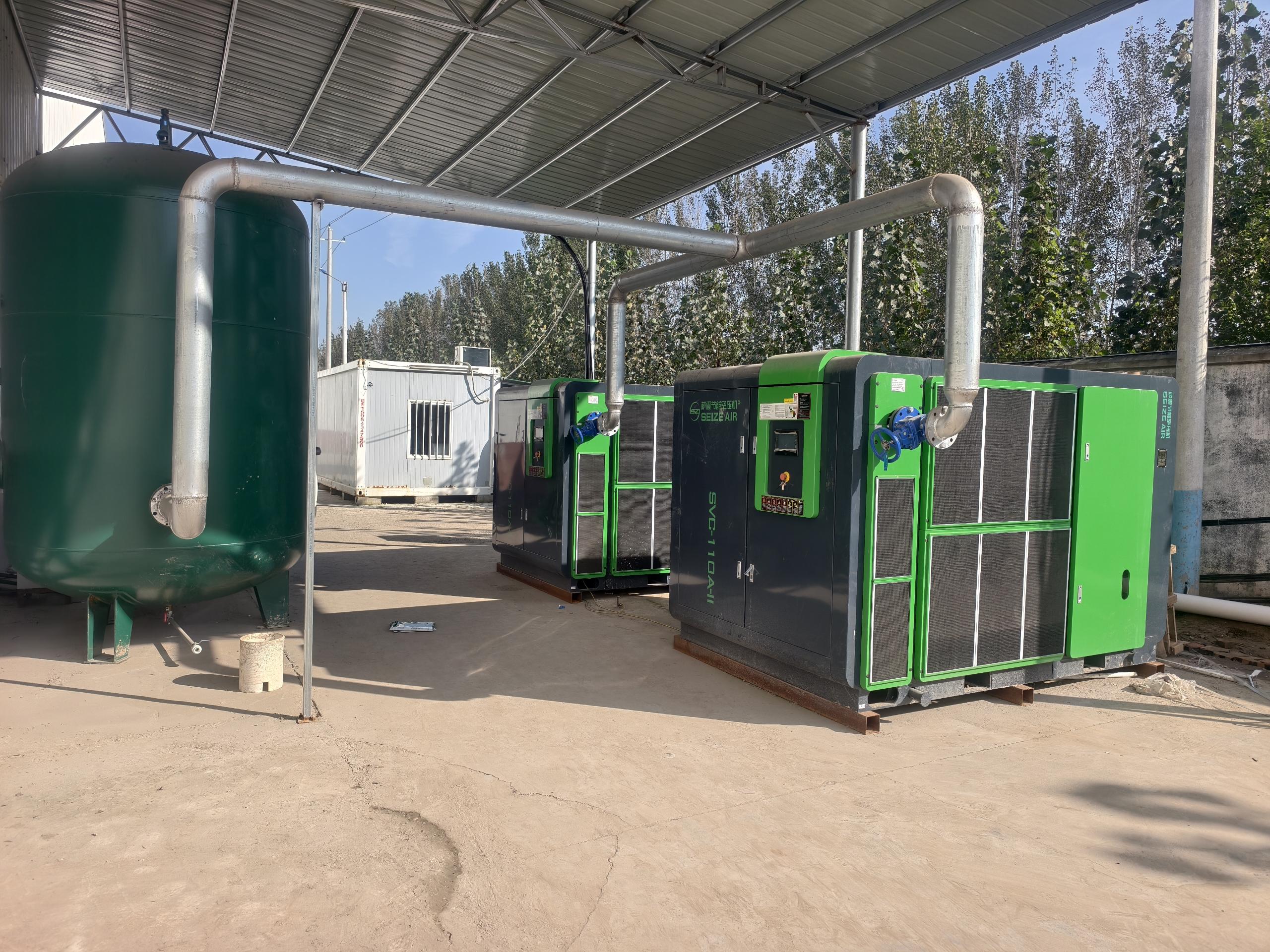
Most reliability problems don't start on the factory floor—they start long before a single component is placed. A partner worth keeping will show you how raw materials are screened, how subassemblies are tested before final integration, and how every deviation is logged. If they can't walk you through that chain, the unit you install is already carrying hidden risk.
The details that matter are rarely the ones on a marketing sheet. Look for temperature cycling on critical boards, vibration testing on connectors, and torque verification on every fastener that carries load. Ask what happens when a test fails: is the lot quarantined, root-caused, and reworked under a controlled process, or does it get a quick patch and a signature? The second answer is how field failures get built in.
You can also learn a lot from their audit trails. A serious process ties each serial number to the exact materials, operator, and test data from that build. That kind of traceability doesn't just make recalls easier—it shows the partner has already thought about what could go wrong before the equipment reaches your site. That's the difference between a supplier and a reliability partner.
The Hidden Costs of Cutting Corners on Maintenance Support
Most companies see maintenance support as an easy target when budgets tighten. The logic feels sound: defer that software update, skip the routine equipment check, or let the help desk run with fewer hands. But what gets missed is how quickly small savings turn into large, unplanned expenses. A minor patch ignored today becomes a system-wide failure in three months, dragging down production for days, not hours.
The cost isn’t just in the emergency fix. It shows up in overtime pay for the crew that has to work the weekend, in rushed parts shipped overnight, and in the lost trust of customers who can’t access your service when they need it. That trust is harder to put a number on, yet it often outweighs every line item on the repair invoice. Teams also start spending their own time on workarounds, building fragile processes that break again under the slightest pressure.
Over time, the neglect compounds. Systems become less predictable, and the people who manage them grow tired of fighting fires instead of improving things. The real hidden cost is that you stop moving forward — you just keep patching the past. A maintenance budget cut might save a few percent this quarter, but it quietly drains your capacity to deliver anything new. And that’s a price no balance sheet shows until it’s far too late.
Energy Efficiency Isn’t Just a Feature—It’s a Partnership Metric
When two companies sit down to talk about a long-term relationship, the conversation rarely starts with kilowatt-hours. But maybe it should. Energy efficiency has quietly shifted from a checkbox on a spec sheet to a real signal of how a partner thinks about operational discipline, cost control, and shared risk. A vendor who treats power consumption as an afterthought is often the same one who treats uptime, maintenance windows, and invoice accuracy as inconveniences. Meanwhile, a partner who tracks energy use per unit of output is showing you they understand that every wasted watt is a tax on both margins and trust.
The metrics matter because they compound. A five percent reduction in energy per transaction doesn’t sound heroic in a boardroom, but across a three-year contract with fluctuating load, it changes the entire pricing conversation. It also exposes who actually invests in their own infrastructure—upgraded cooling, smarter load balancing, real-time telemetry—versus who simply passes through utility bills and hopes you won’t notice. That distinction becomes visible in the data long before it shows up in a renewal negotiation. And once you’ve seen a partner’s energy trend line, you can’t unsee it.
None of this requires a sustainability lecture. It’s about predictability. A partner who manages energy tightly is signaling that they manage other hidden variables tightly too: spare parts inventory, software licensing, on-call response, and the quiet cost of doing nothing. So when you evaluate a long-term relationship, don’t file energy data under “environmental.” File it under “competence.” The best partnerships aren’t built on promises. They’re metered, monitored, and kept honest by the things most people ignore.
Custom Configurations: When Off-the-Shelf Compressors Fall Short
Standard compressor models are typically designed around common operating conditions, but when handling corrosive gases or ultra-high-purity media, the internal sealing materials and lubrication systems often cannot withstand the chemical exposure. In these cases, redesigning the chamber geometry and applying PTFE coatings become necessary steps rather than optional upgrades.
Space constraints are another frequent pain point. Marine or downhole equipment often leaves only a narrow installation footprint, while standard models with their fixed baseplate dimensions and cooling line routing simply won't fit. Custom solutions shift to a split-body layout or integrate the intercooler into the side of the crankcase to squeeze into the available envelope.
Some environments demand vibration and noise levels measured in single-digit decibels, such as laboratories or hospital-adjacent facilities. A custom compressor may adopt a swash-plate or linear drive instead of the traditional crank-and-connecting-rod mechanism, paired with an active isolation base, to push the low-frequency hum down to ambient background levels.
After the Sale: How the Right Supplier Keeps Your Air Flowing
You've signed the papers and the equipment is on its way. That's when the real partnership begins. The right supplier doesn't just hand over a compressor and disappear—they stay close, tracking your system's performance before you even notice a dip. From scheduled maintenance that fits your production calendar to remote monitoring that flags a pressure drop at 2 a.m., the support behind the sale is what keeps your line moving without a second thought.
Too often, companies find themselves stranded after a purchase, waiting days for a technician while downtime eats into margins. A supplier that truly cares about your air flow will have parts on hand, not on backorder, and will know your system's history like their own. They'll adjust to seasonal demand shifts, recommend upgrades only when they make sense, and never treat your emergency as just another ticket in a queue.
The difference shows up in small ways: a phone call returned within the hour, a replacement filter shipped before the old one fails, a service report that explains not just what was done, but why it mattered. That's the kind of after-sale attention that turns a simple transaction into a long-term asset—and keeps your air flowing exactly when you need it most.
FAQ
Look beyond the initial quote. A dependable supplier will ask about your specific duty cycle, ambient conditions, and future expansion plans before recommending anything. They should also offer a clear service agreement with guaranteed response times, not just a warranty card.
Ask for references from companies in similar industries and actually call them. Inquire about downtime incidents, how quickly parts were delivered, and whether the supplier proactively suggested system improvements. A site visit to their service center can also reveal a lot about their parts inventory and technical bench strength.
Compressed air systems rarely fail at convenient times. If your supplier's nearest technician is four hours away, every hour of downtime can cost more than you saved on the purchase. A local partner with stocked service vehicles can often get you back online the same day, and they understand regional power supply and climate quirks.
Ask how they handle emergency after-hours calls, what their average parts availability is for your compressor model, and whether they provide training for your maintenance staff. Also request a written breakdown of energy costs at partial load, not just full-load performance.
Not if you care about total ownership costs. A cheap compressor paired with a disorganized supplier can lead to higher energy bills, longer downtime, and premature replacement. Compare ten-year cost projections including maintenance, energy, and expected repair intervals, then decide which partner actually saves money.
Energy can account for 70-80% of a compressor's lifetime cost. A knowledgeable supplier will size the system to match your real air demand and suggest variable speed drives, storage receivers, and leak audits. They should be able to model payback periods for efficiency upgrades rather than just selling a bigger unit.
The right partner acts as an engineering resource, not just a vendor. They will measure your actual air consumption over a week, evaluate pressure drop across piping, and recommend a combination of compressors, dryers, and filters that works efficiently at varying loads. This upfront work often prevents expensive retrofits later.
Check their client retention rate and ask for a list of customers who have been with them for over five years. A supplier that invests in ongoing training for its technicians and maintains a local spare parts warehouse is far more likely to honor long-term support commitments.
Conclusion
A reliable compressed air system rarely hinges on horsepower ratings or tank size alone. The most telling conversations happen when you ask a supplier how they handle pressure fluctuations, ambient conditions, or duty cycles that don't match the brochure. A partner worth keeping will walk you through their pre-installation audit, airflow demand analysis, and piping layout review without being prompted. That early discipline shows up later as fewer pressure drops and less unplanned downtime. It also separates vendors who simply move boxes from those who engineer systems around your actual production rhythms, not a generic template.
What often gets overlooked is the cost of weak after-sale support. A supplier that treats maintenance as an afterthought leaves you exposed to expensive emergency callouts and shortened equipment life. Meanwhile, energy efficiency should be treated as a shared performance target, not a marketing bullet point—your partner ought to track specific power consumption and suggest adjustments as your demand shifts. When standard units can't handle unusual space constraints or air quality requirements, a capable supplier will offer custom configurations without treating it as a special favor. In the end, the right choice is a supplier who stays engaged long after the invoice is paid, keeping your air flowing through proactive service, honest diagnostics, and a genuine stake in your uptime.
Contact Us
Contact Person: Mia
Email: [email protected]
Tel/WhatsApp: +86 19821985894
Website: https://www.seize-air.com