

Lip Gloss Tube Makers You Can Trust for Premium Cosmetic Packaging
2026-09-01
A lip gloss tube is more than a vessel—it's the first thing your customer touches, the detail that whispers quality before the wand ever meets their lips. But sourcing tubes that match your formula's ambition? That's where many brands hit a wall. Sanrong Packaging has built its name on solving that exact challenge, combining precision engineering with a designer's eye for premium finishes. If you've ever wondered what separates a forgettable tube from a bestseller, the answer often starts with the manufacturer.
Why the Inner Seal Matters More Than the Outer Shine
A polished surface draws the eye, but it rarely tells the truth about what holds things together. The outer shine fades with the first scratch, yet the inner seal keeps working in silence—guarding against leaks, pressure, and the slow creep of decay. We spend so much effort on the visible layer that we forget: the real test happens where no one looks.
Think of a well-worn thermos. The exterior might be dented, the paint chipped, the brand name rubbed off. But if the seal inside is intact, the coffee still stays hot at noon. Replace that scenario with relationships, systems, or even personal integrity, and the lesson holds. What keeps the heat in is never the shine—it is the quiet barrier that refuses to give way when pressure builds.
Chasing the outer shine gives you a moment of admiration. Caring for the inner seal gives you decades of function. The former is easy to copy, easy to fake, and easy to lose. The latter demands patience, attention, and a willingness to work on what nobody applauds. In the end, the seal is what makes the shine worth anything at all.
Pairing Wand and Neck Sizes to Your Actual Formula
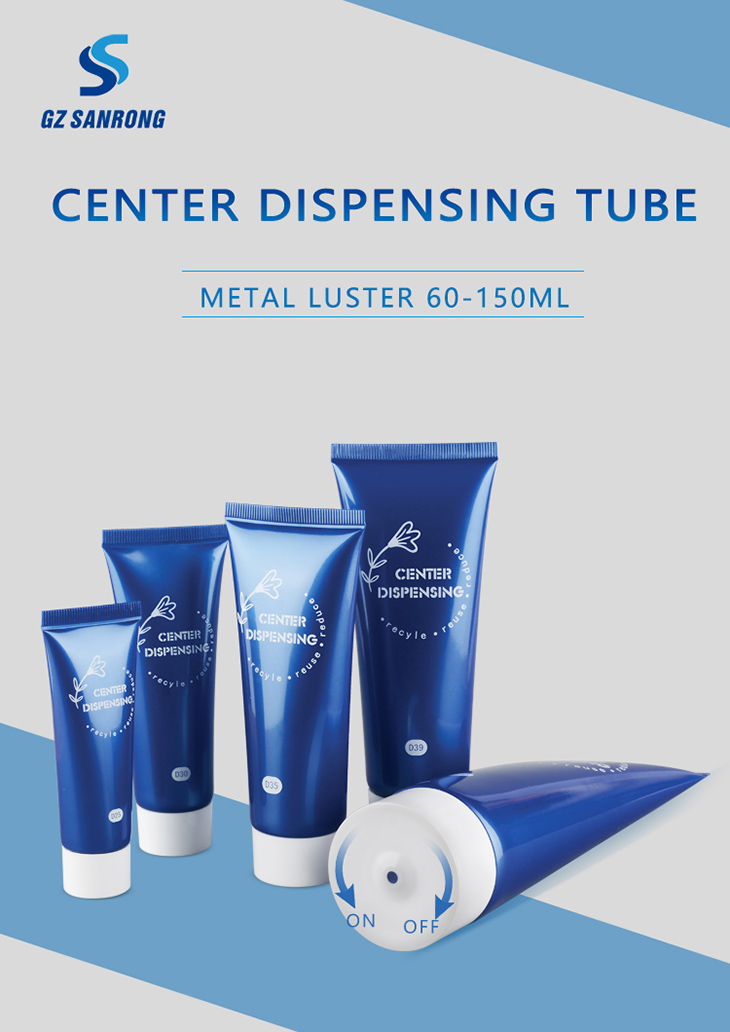
Matching a wand and neck to a real formula starts with how the product moves, not just how it looks in a catalog. Thicker gels and creams need a wider neck to avoid shearing or trapping air, while water-thin liquids call for a tighter fit that controls the dose. The wand's internal diameter matters just as much—if it's too narrow for a viscous blend, you'll struggle to fill the tube, and if it's too wide for a runny serum, you'll get drips and uneven coatings.
Measure viscosity at the temperature your product will actually be used, then check how the formula behaves after sitting for a minute or two. Some materials settle or thicken on standing, which changes the clearance you need between the wand and the neck wall. If there are solids or pearlescent particles in the mix, give them extra room so nothing clogs at the tip. A quick lab test with filled samples beats a perfect on-paper fit every time, because surface tension and cling vary from batch to batch.
Once you've picked a few likely combinations, run them through the same filling and capping steps you'll use in production. Pay attention to how the neck drains after a dip—residue that hangs around the rim leads to sticky threads and a messy cap. The ideal pairing feels smooth in hand, dispenses the intended amount without hesitation, and keeps the formula stable from the first drop to the last.
Small-Batch Flexibility Without the Usual Factory Hesitation
When a design shifts on Tuesday and you need 300 units by Friday, most factories shuffle their feet. This line doesn't. Changeover times are measured in minutes, not shifts, because tooling is modular and pre-staged before the last run even finishes. The crew treats a small batch as its own priority, not as an interruption to a bigger order.
That hesitation you're used to usually comes from amortizing setup costs or waiting for a minimum order threshold to make the math work. Here, the math is already handled differently: fixtures snap into place, raw materials are pulled from kanban racks, and quality checks happen inline. There's no batching penalty hiding in the quote, so a 200-unit run of a revised enclosure doesn't get priced like a prototype or delayed like a nuisance.
The result is a floor that moves at the speed of your revisions. A short run can ship in days, with the same attention as a full container load. Small-batch flexibility stops being a favor you ask for and becomes the default rhythm of the line.
Finishes That Hold Up After Months in a Handbag
There's a particular matte black lipstick case I've been tossing into my bag for the better part of a year. The finish hasn't gone sticky, hasn't flaked, and the only marks are faint scratches from my keys. That's the real test—not how it looks on day one, but how it survives when it's rubbing against a zipper pull or a handful of loose change every single day.
Some finishes just give up. Cheap metallic paints crack at the corners within weeks, and soft-touch coatings turn tacky by the time the seasons change. The ones that last tend to be either hard anodized aluminum, which shrugs off abrasion, or a properly cured powder coat that doesn't peel at the edges. Even better are those ceramic-like topcoats on compacts—they still feel cool and smooth after months of being knocked around.
I've stopped trusting anything that looks too glossy or feels too plush in the store. If a finish can't handle the chaos of a handbag without showing its base layer, it's not worth the shelf space. The survivors are the quiet ones: matte metals, textured rubber that doesn't degrade, and the occasional hard lacquer that somehow stays flawless.
The Leak Test Every Tube Goes Through Before Shipping
Before any tube leaves the factory floor, it faces a pressurized checkpoint that separates the dependable from the defective. Each unit is submerged in a water bath and filled with compressed air at a pressure well above normal working conditions. Any hidden pinhole, micro-fissure, or weak seam immediately reveals itself as a trail of tiny bubbles. Operators watch for even the faintest stream, because a leak that only shows at 150 psi today could become a burst on a customer's job site tomorrow.
The test isn't just a quick dunk—it's a timed hold. After the tube reaches the target pressure, it sits for a fixed interval while gauges monitor for any drop. A drop of even one-tenth of a psi flags the tube for rejection. This stationary phase catches slow seeps that a fast pass would miss. For tubes destined for high-vibration or thermal-cycling environments, an additional flex cycle is sometimes added, bending the tube at a low angle while still under pressure to simulate real-world stress before the final bubble check.
Every tube that passes gets a discreet lot code marking the date, pressure level, and test station. That traceability means if a field failure ever occurs, the exact test conditions can be pulled up in seconds. It's a small mark, but it represents a promise: this tube didn't just look solid on the outside—it proved itself from the inside out.
From Sketch to Sample With Fewer Rounds of Revisions
The biggest time sink isn't sewing; it's the gap between what the sketch implies and what the first sample actually shows. To cut revisions, I spend extra time on annotated flats—calling out seam placement, pocket depth, and hardware finish before any fabric is cut. A quarter-inch note on a cuff or a specified thread color removes the guesswork that usually triggers a second or third round.
Another trick is building a quick half-scale mockup or using a similar existing garment as a fitting reference. If the factory can see how a collar should roll or how the hem breaks on a real body, they're less likely to interpret the drawing literally. I'll often send a short video alongside the spec sheet, pointing to the exact areas that tend to drift.
Finally, consolidating feedback matters. Instead of sending scattered comments after each sample, I wait until I can try the sample on a fit model and collect all issues into one clear list—prioritized by what affects fit first, then construction details. This single, organized round of changes replaces three or four fragmented emails and keeps the sampling timeline tight.
FAQ
Ask for samples that match your exact decoration method, not just a stock photo. Then test the cap closure torque, how the tube feels after repeated opening, and whether the applicator glides without streaking. A reliable maker will also share their defect rate and reference clients in the beauty space.
Thick-walled PETG gives that glass-like clarity without the weight or fragility, while acrylic can feel colder and more rigid. The finish matters more than the base material — a soft-touch overmold on the cap, a weighted base, or a metallic anodized band can shift the entire hand feel from drugstore to high-end.
Go beyond a logo print. Think gradient spray coatings, engraved metal-like caps, custom-shaped applicators with flocked tips, or a magnetized closure. Even the tube's internal shoulder profile can change how product pulls back into the bottle, which affects the perceived quality during use.
Request a factory audit or at least documented process control points, like injection pressure logs and batch sampling records. Ask about their acceptable defect rate and how they handle color drift across material lots. Consistent torque on the cap and neck finish dimensions are often the first things to slip if the process isn't disciplined.
Custom molds usually start around 10,000 units, sometimes lower if the maker has existing cavities that can be modified. Smaller brands can reduce risk by choosing stock bodies with custom decoration, sharing mold costs with another line, or negotiating a phased order where the first run covers the tooling and a smaller production batch.
Clarify the tooling timeline separately from the production run, because mold adjustments can eat up weeks. Ask where raw materials are sourced and whether they hold buffer stock for repeat orders. If you need holiday delivery, backplan from the ship date and confirm whether they can air-freight finished goods without damaging the cosmetic surface.
Yes, but sustainability lives in the details. A mono-material PETG tube with a recyclable PP cap avoids mixed plastic waste, while refillable aluminum shells with replaceable inner cartridges can feel even more premium than single-use plastic. Post-consumer recycled content in a matte finish hides imperfections and textures beautifully.
The biggest one is prioritizing the lowest unit price without accounting for rework or rejection rates. Another is skipping compatibility testing between the formula and the tube material, which leads to fogging, stress cracking, or leakage months later. Always run a fill test with the actual formula and the final cap before committing to a large order.
Conclusion
The real measure of a lip gloss tube maker isn't the mirror shine on the cap, but what happens between the formula and the outside world. A dependable inner seal keeps air and microbial contamination out far longer than a pretty outer finish ever could. That's why the manufacturers worth your trust match the wand length and neck opening to your specific texture—thicker glosses need a wider neck and a sturdier doe-foot, while watery formulas demand a tighter wipe fit. Every finished tube then passes a vacuum leak test, sometimes inverted for days, to catch failures before they reach a customer's handbag. Surface finishes matter too, but only if they survive real life: a soft-touch matte or metallic overspray should not chip or fade after months of knocking around next to keys and coins.
Beyond the functional details, these suppliers don't flinch at smaller production runs. A factory that hesitates at a few thousand units or insists on a giant minimum order can't serve a brand testing a new shade or launching a limited drop. And the best makers compress the sketch-to-sample phase, giving you a physical prototype in days instead of weeks with fewer revision cycles, so you can hold the actual product before committing to the full batch. That combination of technical rigor and practical flexibility is what turns a simple tube into packaging you can trust.
Contact Us
Contact Person: Alex Wu
Email: [email protected]
Tel/WhatsApp: 86-20-37965868
Website: https://www.gzsanrong.com/en.html