

Micronized Monopentaerythritol Exporter Vendor Insights for Global Buyers
2026-07-10
Sourcing micronized monopentaerythritol for your next production batch? The global market is shifting, and not all exporters can guarantee the purity and particle consistency you need. This guide uncovers vendor insights that matter, spotlighting players like X.X.F.R who are redefining supply dependability. Skip the guesswork—here’s what separates reliable partners from the rest.
Why Micronized Monopentaerythritol is Gaining Traction in High-Performance Coatings
Micronized monopentaerythritol has emerged as a key ingredient in high-performance coatings largely due to its ability to enhance crosslinking density. With its compact molecular structure and high hydroxyl functionality, it creates tightly bonded polymer networks that significantly improve film hardness and scratch resistance. This translates directly into more durable surfaces that hold up better under mechanical stress, making it especially attractive for industrial and automotive applications where longevity is paramount.
Beyond just hardness, this polyol contributes to superior chemical and stain resistance. Coatings formulated with micronized monopentaerythritol exhibit a denser barrier that repels solvents, acids, and everyday chemicals more effectively than conventional alternatives. This property is driving adoption in sectors like marine protection, chemical plant flooring, and kitchen cabinetry, where resistance to harsh environments is a critical performance metric.
Another factor behind its growing traction is the subtle improvement in application and aesthetic properties. The micronized form disperses readily into resin systems, avoiding the clumping issues often seen with coarser grades. This uniformity allows formulators to achieve higher gloss levels and greater color stability without sacrificing flow or leveling. At a time when both protective function and visual appeal matter, micronized monopentaerythritol helps coatings meet ambitious specifications without complicated processing adjustments.
What Separates Reliable Exporters from the Rest in the Monopentaerythritol Market
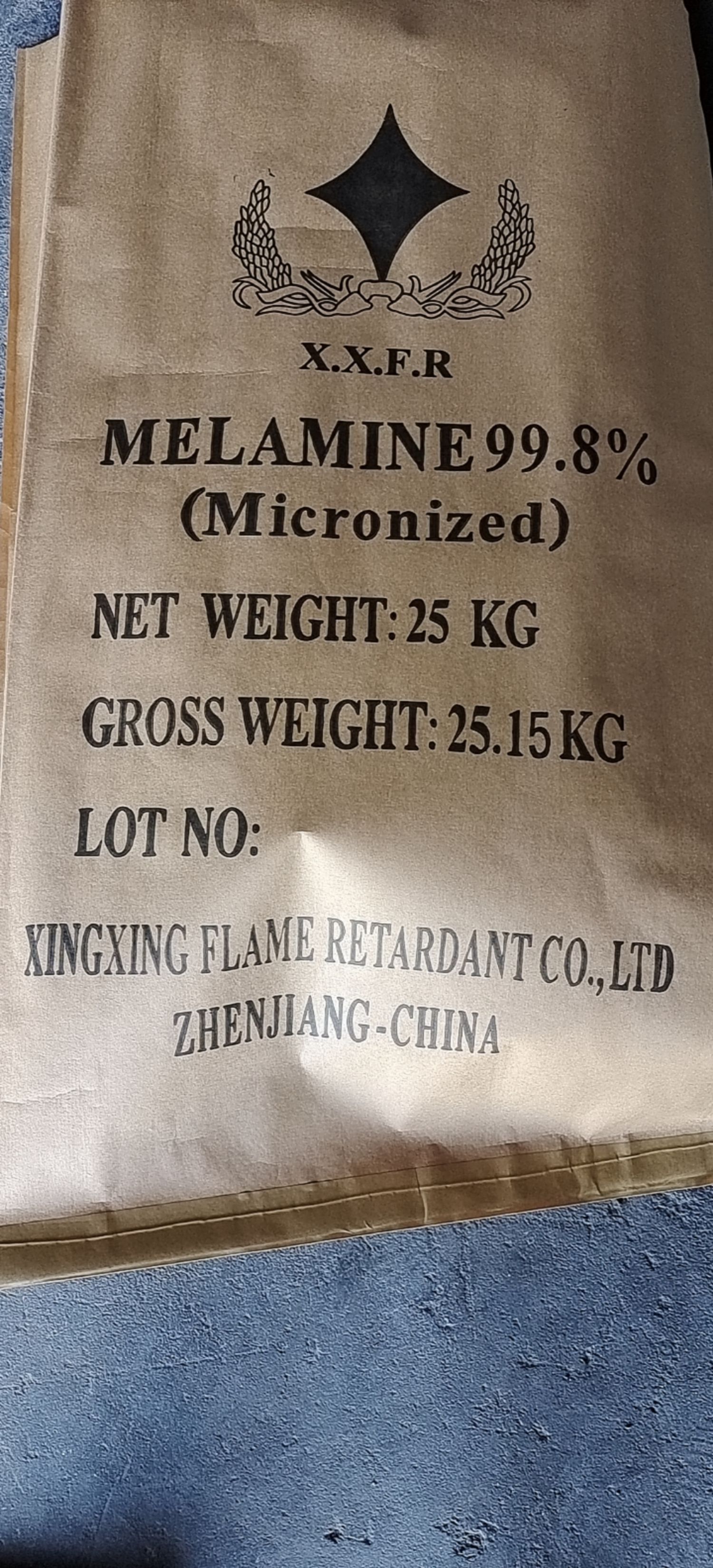
In the monopentaerythritol trade, dependable exporters distinguish themselves through an almost obsessive focus on lot-to-lot consistency. They don't just source from any factory that offers a low price—they cultivate deep ties with producers who run modern, well-maintained plants and who subject every batch to rigorous chromatography tests. This means a buyer in Italy or Brazil can rely on the same purity, hydroxyl value, and crystal size distribution shipment after shipment, without the costly surprises that come from blending or substituting grades. In contrast, less committed middlemen often treat the product as a commodity, which leaves downstream users wrestling with resin viscosity swings or uneven esterification.
Another clear separator is the level of technical intimacy they bring to the relationship. The best exporters speak the language of alkyd paints, synthetic lubricants, and rosin esters fluently. They know that a couple of tenths of a percent difference in mono- versus di-penta content can make or break a plastisols formulation, and they stock multiple sieve grades to fit specific dissolution requirements. When something does go wrong—a caking issue after a tropical voyage, for instance—they don't just point to a certificate. They pull samples, analyze the moisture profile, and work with the shipper to adjust packaging or routing, often preventing a recurrence before the customer even thinks to ask. This kind of problem-solving reflex, built on genuine chemical know-how, is rarely found among pure traders.
Decoding Purity Levels and Particle Size Distribution for Industrial Success
In many manufacturing sectors, the subtle interplay between material purity and particle dimensions dictates everything from product consistency to operational efficiency. Purity levels, often expressed as a percentage, reveal the presence of unwanted elements or compounds that can compromise final performance—imagine a pharmaceutical ingredient where trace metals alter bioactivity, or a metal powder intended for additive manufacturing where oxides weaken the printed component. At the same time, particle size distribution shapes how materials flow, blend, and react. A narrow distribution might improve packing density in ceramics, while a broader range could be tailored for gradual release in a catalyst. Getting these parameters right isn’t just about meeting a specification sheet; it’s about understanding the hidden ways they influence downstream processes and ultimately define the value of the end product.
Practically, decoding these characteristics requires a mix of precise measurement and process insight. For purity, techniques like inductively coupled plasma mass spectrometry or X-ray fluorescence can spot contaminants at parts-per-billion levels, but the real skill lies in interpreting what those numbers mean for a given application—sometimes, a “high purity” label isn’t enough if the remaining impurities are particularly harmful. On the particle side, laser diffraction and dynamic light scattering generate distribution curves that go far beyond a simple average size. A batch with a seemingly acceptable mean diameter might hide a troublesome fraction of fines that cause dusting or agglomeration. Industries that invest time in linking these measurements back to real-world behavior—be it in coating smoothness, sintering kinetics, or dissolution rates—gain a quieter kind of competitive edge, one rooted not in flashy claims but in reliable, reproducible outcomes.
Navigating Regional Supply Hubs and Price Shifts Without the Guesswork
Supply hubs vary widely by region, and relying on instinct alone can lead to missed opportunities or costly delays. Instead of guessing which markets are trending, smart buyers track real shipment data and local inventory patterns to identify where supply is actually flowing. This approach turns raw logistics into a reliable signal, revealing which regions are ramping up production and which ones are facing unexpected bottlenecks.
Price fluctuations often follow predictable rhythms once you strip away the noise. Rather than reacting to every minor dip or spike, effective teams watch pre‑purchase activity and warehouse stock levels across key distribution centers. When shipment volumes in a region start outpacing demand indicators, it’s often an early warning that prices will soften, letting you time purchases with far more confidence.
Connecting these dots manually is where most operations stumble, but when you feed structured trade data into a decision‑support tool, the guesswork evaporates. You begin to see how a factory slowdown in one country cascades into price shifts three weeks later in a neighboring hub, giving you the lead time to adjust budgets, re‑route orders, or lock in favorable terms before the market even blinks.
The Hidden Compliance Factors That Impact Cross-Border Trade
When businesses expand into international markets, they often underestimate the complexity of compliance beyond tariffs and duties. Beneath the surface, regulations around product labeling, packaging standards, and certification requirements can quietly halt shipments at borders. A single missing symbol on an electronics item or an unapproved ingredient in a food product can trigger weeks of delays, eroding margins and trust with overseas partners.
Another frequently overlooked area is data handling and privacy laws that govern customer information moving across jurisdictions. A trade transaction might involve routing personal details through servers in multiple countries, each with their own legal frameworks. Without a rigorous data compliance strategy, companies risk not only fines but also reputational damage that can unravel carefully built supply chain relationships.
Environmental and social governance rules are also becoming silent gatekeepers in cross-border trade. Sourcing materials from regions with lax labor or environmental enforcement can lead to goods being detained under modern slavery acts or sustainability mandates. Proactive players map these hidden compliance threads early, embedding checks at every stage from supplier audits to final dispatch, turning what could be a vulnerability into a competitive advantage.
Beyond Basics: Where the Micronized Monopentaerythritol Market is Heading Next
As industries push for higher performance and greener formulations, micronized monopentaerythritol is stepping out of its traditional niche. No longer just a building block for alkyd resins, it’s finding new footing in advanced coatings, specialty lubricants, and even biodegradable plastics. The shift is driven by a need for finer particle control, better dispersibility, and improved surface finish—qualities that standard grades simply can’t deliver. Manufacturers are now tailoring particle size distributions to unlock reactivity and compatibility with water-based systems, a move that’s quietly reshaping downstream product design.
Beyond the technical specs, market dynamics are tilting toward regions investing in high-end manufacturing. Asia-Pacific, for instance, isn’t just a volume play anymore—it’s becoming a hub for customized chemical intermediates. Meanwhile, tighter environmental regulations in Europe and North America are accelerating the replacement of solvent-borne systems, where micronized grades offer a credible pathway to low-VOC compliance. The supply chain is also maturing, with fewer but more specialized producers dominating, which could shift bargaining power and spur innovation rather than price wars.
Looking ahead, the real wildcard is cross-industry pollination. Micronized monopentaerythritol’s role in intumescent coatings for fire protection is just scratching the surface. Its potential as a char-forming agent in next-gen flame retardants, or as a sustainable polyol in polyurethane foams, hints at demand vectors that aren’t yet fully priced in. For businesses paying attention, the message is clear: the next phase isn’t about selling more of the same—it’s about co-developing chemistries that solve problems end-users didn’t know they had.
FAQ
Micronized monopentaerythritol is a high-purity polyol that's been ground to a fine, uniform particle size. The controlled micronization ensures rapid dissolution and even dispersion during chemical reactions, which is critical in manufacturing alkyd resins, synthetic lubricants, and flame retardants. Without that consistency, you'd risk clumping and uneven curing, directly affecting the quality of the final coating or adhesive product.
Beyond basic capacity, look for suppliers that run dedicated micronization lines rather than outsourced grinding. In-house processing often means tighter control over particle size distribution and lower contamination risks. It's also worth checking if they can provide test batches matching your specific viscosity or reactivity requirements before committing to larger volumes.
Certifications act as a baseline, but the real value is in how the vendor applies those standards. A supplier with REACH registration isn't just ticking a legal box for Europe; they're documenting full supply chain transparency. ISO 9001 certified exporters that also maintain GMP protocols for chemical handling tend to deliver more consistent purity levels and better batch-to-batch traceability.
Moisture sensitivity is a big one—micronized powder easily cakes if exposed to humidity during ocean freight. Reputable exporters will double-bag with desiccants and use sealed, climate-controlled containers. Another issue is local warehouse storage at the destination port; some buyers arrange for nitrogen-purged silos to preserve product integrity until the production line needs it.
The production technology is largely similar now, but differences show up in residual catalyst levels and color stability. Some Southeast Asian plants have invested heavily in post-treatment purification, yielding material with lower ash content ideal for high-end polyurethane applications. It's not about geography—it's about which producers have modernized their refining steps recently.
Surprises usually come from customs clearance delays if the exporter's documentation isn't precise on harmonized tariff codes, or from demurrage charges when containers sit at the terminal. Also, if the supplier uses non-standard packaging that doesn't integrate with your automated feeding systems, you'll incur extra handling labor. Always clarify Incoterms and packaging specs upfront, and consider asking for a cost breakdown of door-to-door delivery.
Conclusion
Global buyers seeking micronized monopentaerythritol are discovering that this specialty chemical is no longer a niche ingredient—it's becoming a cornerstone in high-performance coatings, driven by its exceptional ability to enhance hardness, weather resistance, and gloss. The shift toward sustainable, long-lasting finishes has fueled demand, but procurement teams face a complex landscape where not all exporters deliver the same value. Reliable vendors distinguish themselves through consistent purity levels, tight particle size distribution, and robust quality control, factors that directly translate into industrial success by reducing formulation defects and improving end-product durability. Meanwhile, understanding regional supply hubs—from competitive production clusters in Asia to emerging capacity in the Middle East—helps buyers navigate price volatility without guesswork, as real-time insight into feedstock availability and logistics bottlenecks can prevent costly delays.
Beyond operational basics, cross-border trade in micronized monopentaerythritol increasingly hinges on hidden compliance factors that many buyers overlook until shipments are held at customs. Regulations surrounding chemical registration, safety data sheets, and environmental certifications vary widely by destination, and a proactive exporter who stays ahead of these requirements protects clients from regulatory disruptions. Looking forward, the market is poised for further evolution as manufacturers push toward finer micronization, functionalized grades, and bio-based alternatives, all while navigating shifting trade policies. For global buyers, partnering with an exporter who combines technical expertise, transparent documentation, and supply chain agility is essential to thrive in this dynamic sector.
Contact Us
Contact Person: Guohua Wang
Email: [email protected]
Tel/WhatsApp: 8613003442895
Website: https://www.xxflameretard.com