

MVNO Solution Providers: Unlocking Agile Mobile Connectivity for Modern Businesses
2026-05-09
The mobile landscape is shifting faster than ever, and businesses can no longer afford to be locked into rigid, one-size-fits-all connectivity models. Enter MVNO solution providers—the architects of agile, customizable mobile services that empower modern enterprises to stay ahead. But not all providers are created equal. To truly unlock the potential of mobile connectivity, you need a partner that combines technical depth with real-world flexibility. This is where IPLOOK comes into play. As a rising force in the MVNO arena, IPLOOK is redefining what it means to deliver seamless, scalable, and future-proof mobile solutions. In this post, we’ll explore how the right MVNO solution provider can transform your business connectivity—and why IPLOOK might just be the key you’ve been looking for.
Cutting Through Carrier Complexity: A Smarter Path to Mobile Agility
Navigating today's mobile connectivity landscape often feels like untangling a web of carrier contracts, coverage maps, and evolving standards. Businesses seeking agility find themselves slowed down by fragmented management portals, unpredictable service quality, and the sheer overhead of coordinating multiple providers. By consolidating connectivity under an intelligent orchestration layer, organizations can abstract away this complexity. Instead of wrestling with SIM provisioning and rate plan negotiations, teams refocus on building mobile experiences that simply work, wherever they are deployed.
True mobile agility comes from real-time adaptability, not just static carrier agreements. Smart connectivity platforms continuously monitor signal strength, latency, and cost across available networks, automatically steering traffic to the most optimal path. This dynamic approach eliminates single-carrier dependency and transforms mobile access from a fixed utility into a responsive asset. The result is seamless failover, consistent performance for critical applications, and the freedom to scale deployments without revisiting carrier contracts every time business needs change.
The smarter path also means rethinking device management and security. When carrier complexity is stripped away, policies follow the device, not the SIM. Over-the-air profile switching, zero-touch provisioning, and context-aware networking become the norm, drastically reducing logistical headaches. IT teams can deploy and secure thousands of endpoints globally as easily as they manage a handful. In essence, the focus shifts from managing carrier relationships to driving business outcomes—accelerating digital initiatives with a mobile fabric that is both robust and elegantly simple.
Tailored Network Solutions That Flex with Your Business
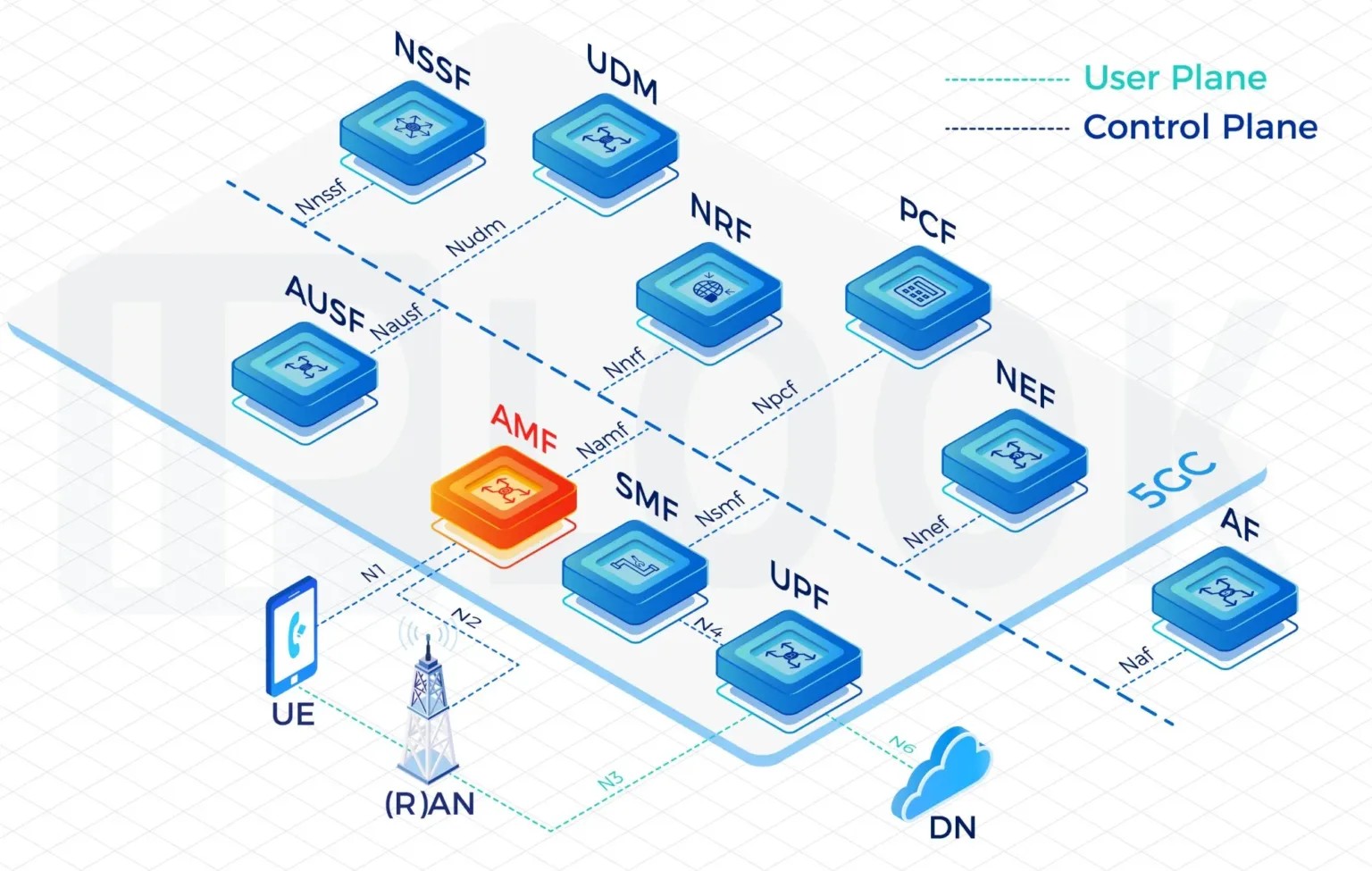
Every business has its own rhythm, and your network should move with it—not against it. Off-the-shelf setups often force you into rigid configurations that stifle growth or waste resources. We build network solutions from the ground up, focusing on your current operations while leaving room for the unexpected pivots that define real-world success.
Scalability isn’t just about adding more bandwidth; it’s about designing pathways that expand intelligently as your team, devices, and applications multiply. Whether you're opening a new location or shifting to a remote-first model, the architecture adjusts without expensive overhauls. We prioritize modular components that let you turn capabilities on or off as your priorities shift.
Security and performance don’t have to be trade-offs. Customized routing, segmented access, and proactive monitoring all adapt to how your business actually works—not a generic template. When your strategy evolves, your network infrastructure keeps pace, giving you the freedom to focus on what you do best.
Seamless Mobile Integration Without the Legacy Baggage
Modern businesses often find themselves tethered to outdated systems that were never designed for the mobile-first world. These legacy platforms come with rigid architectures, costly maintenance, and a tangle of custom workarounds that make even simple mobile enablement a massive project. By contrast, a fresh approach bypasses these constraints entirely. Instead of retrofitting old codebases, you can adopt modular, API-first tools that connect directly with mobile interfaces, letting you build responsive experiences from the ground up without dragging decades of technical debt into every new feature.
The real advantage shows up in everyday workflows. Field teams access real-time data on their phones without waiting for clunky sync processes. Customer-facing apps pull from the same clean data sources as internal dashboards, keeping everything consistent. There’s no need to maintain parallel databases or fragile middleware because the entire stack is designed for agility. Updates roll out instantly, and onboarding new users takes minutes instead of weeks. This isn’t about patching old holes—it’s about operating with a nimble core that treats mobile as a first-class citizen from day one.
Leaving legacy luggage behind also changes how you scale. Rather than worrying about whether a ten-year-old backend can handle a spike in mobile traffic, you work with environments that auto-scale and integrate natively with push notifications, geolocation, and biometric authentication. The result is a smoother path from idea to execution, where developers focus on user needs instead of compatibility puzzles. Over time, this leaner model not only cuts operational costs but also opens doors to innovations that simply aren’t feasible when you’re anchored to the past.
Cost Control Meets Uncompromised Connectivity
Stretching budgets without sacrificing network performance used to feel like an impossible balancing act. Many businesses find themselves trapped between overpriced enterprise plans and unreliable budget options, constantly worried that a dropped connection could mean lost revenue or frustrated teams. The good news? It doesn't have to be that way anymore.
We focus on making existing infrastructure work harder. Instead of pushing unnecessary hardware upgrades, we fine-tune configurations, prioritize critical traffic, and eliminate wasteful spending on underused services. This approach lets you keep everyone connected—whether they're in the office, remote, or on the move—while actually lowering your monthly bills.
What you get is a network that simply works, without the constant headache of monitoring usage caps or dealing with surprise fees. Your team stays productive, customers stay happy, and you avoid the dreaded trade-off between connectivity and cost. It's about being smart with resources, not cheap with service.
Scaling Mobile Operations with Plug-and-Play Simplicity
Rolling out mobile solutions across multiple sites used to mean weeks of setup and configuration. Now, it’s as straightforward as unboxing a device and turning it on. Pre-configured profiles, automated network detection, and zero-touch enrollment let new locations come online in minutes—not days. Your field teams can focus on what they do best, instead of wrestling with manual provisioning steps.
As your operation grows, the system flexes with you. Adding extra users or entirely new sites feels almost invisible on the backend. Device policies, security settings, and app assignments get pushed effortlessly, so consistency never slips through the cracks. Whether you’re managing ten devices or ten thousand, the experience remains fluid—no re-engineering required.
This approach strips away the complexity that so often bogs down scaling efforts. No drawn-out training sessions or specialized IT hires are necessary; intuitive dashboards and guided workflows put control in the hands of whoever needs it. The result is a truly expansive yet sustainable mobile operation, where plug-and-play isn’t just a buzzword—it’s the way things actually work.
Future-Ready Connectivity That Adapts to Market Shifts
Markets don’t wait for infrastructure to catch up—they pivot overnight, and connectivity has to pivot with them. We build networks that behave less like rigid pipelines and more like living systems, automatically re-routing traffic, scaling capacity, and integrating new protocols as demands evolve. This isn’t about predicting the next trend; it’s about embedding an architecture that treats change as a constant, not an exception.
Traditional networking often freezes companies in place with long provisioning cycles and hardware locks. Our approach discards that playbook, using software-defined layers that decouple control from the physical layer, so you can reshape your global footprint in hours instead of months. When a supply chain jolts or a customer base migrates, the underlying connectivity adjusts without a fleet of engineers scrambling to rewire.
The real test comes during surges—whether from a product launch, a geopolitical shift, or a sudden wave of remote work. Our networks lean into those moments, dynamically balancing load across paths you didn’t even know existed. The goal isn’t just uptime; it’s a kind of effortless elasticity that lets you chase opportunities without ever wondering if the connection will buckle.
FAQ
They supply the backend infrastructure and services—like core network access, SIM management, and billing platforms—that let businesses operate as MVNOs without owning physical network assets. It's a turnkey way to launch a mobile service under your own brand.
Traditional carriers own and maintain physical network infrastructure like cell towers and spectrum licenses. An MVNO leases network capacity from those carriers and focuses on branding, customer relationships, and niche services, with solution providers smoothing out the technical and operational hurdles.
It’s about moving quickly without being tied down by legacy systems or long-term contracts. Agile connectivity lets a business scale data plans up or down in real time, tailor offers to specific audiences, and pivot connectivity features as market needs shift—all with minimal overhead.
It allows them to tap into recurring revenue streams or deepen customer engagement through branded mobile plans. A streaming service, for instance, could bundle high-speed data for mobile streaming, while a logistics firm might use it to keep trackers connected globally—without needing in-house telecom expertise.
You’ll find them in retail, fintech, IoT, automotive, and even among digital-native brands that want to offer connectivity as a value-add. IoT deployments, in particular, lean heavily on MVNO platforms to manage fleets of devices with granular data controls and cross-border coverage.
They stitch together coverage from multiple Tier-1 carriers and use intelligent SIMs that automatically switch to the strongest signal. Most also provide robust analytics and alerting tools so businesses can spot and troubleshoot issues in near real-time.
Pay close attention to their network partnerships, how flexible their billing systems are, whether they support eSIM and over-the-air provisioning, and their experience with compliance in your industry. A good fit is one that treats connectivity as a manageable service, not a distraction from your core business.
Conclusion
Modern enterprises can no longer afford to be shackled by rigid MNO agreements and protracted provisioning cycles. MVNO solution providers strip away that complexity, offering a direct line to agile connectivity that adapts as business needs evolve. Instead of negotiating with multiple carriers and managing conflicting SLAs, companies gain a single point of orchestration where coverage, policy, and device management are harmonized across regions. This smarter path removes operational friction, letting teams focus on growth rather than carrier administration, and turns mobile connectivity into a dynamic business asset rather than a fixed cost center.
What sets these providers apart is the ability to fuse cost discipline with performance. By aggregating network access and leveraging flexible wholesale models, they deliver uncompromised service without the budget overruns that often accompany legacy contracts. Tailored network profiles can flex with seasonal demand or workforce shifts, while seamless integration into existing IT estates avoids the heavy lifting of infrastructure replacement. Plug-and-play SIM provisioning and zero-touch onboarding mean scaling up a mobile fleet—whether for IoT deployments or a dispersed workforce—happens in hours, not weeks. Ultimately, businesses unlock a future-ready connectivity layer that bends to market shifts, not the other way around, turning mobile from a utility into a genuine competitive lever.
Contact Us
Contact Person: Shimmy
Email: [email protected]
Tel/WhatsApp: 85253392231
Website: https://www.iplook.com