
Outdoor Floor Tiles from China: Durable and Stylish Solutions for Your Patio
2026-08-11
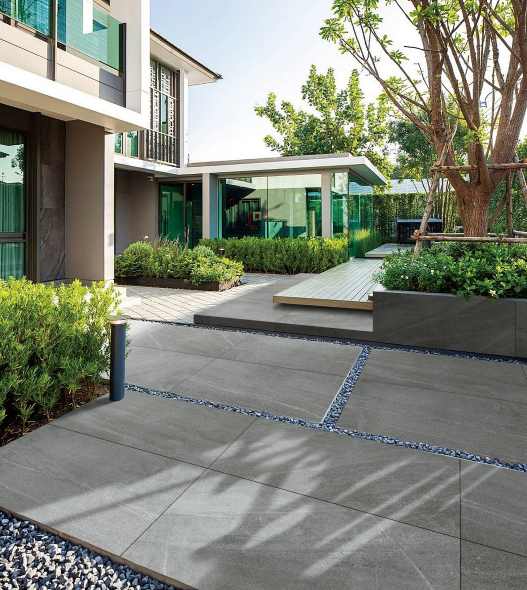
Transforming your patio into a stylish and functional outdoor haven starts from the ground up—literally. Chinese outdoor floor tiles have become a global go-to for their exceptional durability and on-trend designs, and Beata Ceramics brings you a curated selection that merges Eastern craftsmanship with modern aesthetics. Whether you're aiming for a sleek minimalist look or a rustic charm, these tiles promise weather resistance and easy maintenance, setting the stage for countless alfresco moments. Curious about what makes them stand out? Let's explore how the right tiles can elevate your outdoor living experience.
Redefining Patio Spaces with Chinese Tile Craftsmanship
Chinese tile craftsmanship carries centuries of artistry, offering textures and patterns that feel both ancient and refreshingly original. When introduced into patio design, these elements transform an ordinary outdoor area into a layered visual narrative. Instead of uniform slabs, you might encounter tiles with a softly crackled glaze or a subtle celadon hue that shifts with the light, bringing a quiet sophistication that never feels mass-produced.
Beyond surface beauty, the modular nature of traditional Chinese tiles allows for highly inventive layouts. A patio can become a geometric canvas—think interlocking hexagonal forms, broken-border mosaics, or thresholds framed with hand-chiseled stone inlays that echo courtyard architecture from Suzhou gardens. The result is a space that feels intentional and storied, as if every corner has a tale to tell, yet remains entirely functional for modern lounging or dining.
These materials also foster a deeper connection between the patio and the surrounding landscape. As rain falls, the porous nature of certain unglazed tiles creates a patchwork of dampened color that breathes with the weather; moss might eventually trace the joints, softening the built environment into a more organic whole. It's a design ethos that doesn't just decorate a patio but invites it to age gracefully, becoming richer with each season.
Material Innovations: Beyond Basic Porcelain
Porcelain has long been prized for its delicacy and strength, but today's material scientists are pushing those boundaries even further. By integrating nano-scale reinforcements like zirconia and alumina, manufacturers now produce porcelain that withstands thermal shock and mechanical stress far beyond traditional limits. These advanced composites open doors to applications in industries ranging from aerospace components to biomedical implants, where pure porcelain would once have been unthinkable.
Sustainability is also driving a quiet revolution in porcelain production. Researchers are experimenting with recycled glass, industrial byproducts, and even agricultural waste to create eco-friendly alternatives that retain the classic look and feel. These new blends not only reduce energy consumption during firing but also give designers a broader palette of textures and translucencies, allowing for bespoke architectural cladding and tableware that stand apart from conventional offerings.
Styles That Speak: From Minimalist to Mediterranean
Minimalist interiors don't just lack clutter—they breathe intention. Every object earns its place, every surface rests in quiet balance. There's a discipline to the emptiness, a rhythm in the restraint. It's a style that speaks in pauses, where light and shadow do as much work as furniture.
Then you step into a Mediterranean-inspired space, and suddenly the walls tell stories. Terracotta tiles carry echoes of sun-baked villages, wrought iron curls with artisanal flair, and blues borrowed from the sea dissolve into whitewashed textures. This isn't decoration—it's a conversation with centuries of coastal living, where warmth wraps around you like a familiar scent.
What connects these two isn't just contrast; it's a shared belief that a home should reflect an inner landscape. One refines silence, the other celebrates abundance, yet both demand authenticity. Whether you lean toward the uncluttered calm of minimalism or the layered vibrancy of the Mediterranean, your space becomes a voice—not a whisper or a shout, but something unmistakably yours.
Engineered for Extremes: Frost, Heat, and Heavy Traffic
When asphalt shimmers under relentless sun or concrete cracks in subzero cold, our surfaces hold steady. The secret lies in a dense, interlocking aggregate structure infused with polymers that flex rather than fracture. In freeze-thaw cycles, water beads and rolls away before it can pry open microscopic fissures. Under midday scorch, the material reflects enough heat to stay cool to the touch while resisting softening. It’s not just pavement—it’s a silent sentinel against the elements.
Heavy traffic becomes an afterthought when the base layer absorbs and distributes weight like a concrete raft. Repeated 18-wheeler passes barely leave a trace, thanks to a gradation curve that locks stone against stone. The surface resists rutting, shoving, and fatigue cracking longer than conventional mixes—even in intersections where trucks brake and turn. We’ve seen it outlast typical asphalt by a decade in bus depots and port terminals, where downtime for repairs simply isn’t an option.
From mountain passes buried in ice to desert highways baking at 130°F, the formula adapts by design. We tweak bitumen chemistry and aggregate mineralogy for local extremes, but the core principle never varies: build a dense, hydrophobic, and elastic armor that laughs off what breaks lesser materials. Anyone can mix rock and oil—it takes understanding the physics of failure to make a surface that truly endures.
The Simplicity of Click-and-Lay Systems Without Compromise
Click-and-lay systems have transformed the way we approach installations, making it possible to achieve professional results without specialized training. The magic lies in the intuitive design that requires no tools, glue, or guesswork—just a satisfying snap that signals a secure connection. This straightforward method eliminates common frustrations, allowing anyone to focus on creativity rather than complex instructions.
What sets a truly exceptional click-and-lay system apart is its refusal to sacrifice quality for ease. Premium materials and precise engineering ensure each piece locks tightly, creating a durable finish that stands up to daily wear. The system’s modular nature means adjustments are effortless, giving you the freedom to experiment with layouts without the fear of irreversible mistakes.
Beyond the practical benefits, this approach redefines what DIY can be—accessible yet refined, simple yet uncompromising. It invites you to reimagine spaces on a whim, blending functionality with a clean aesthetic that never feels temporary. From floor to wall, the seamless integration speaks for itself, proving that simplicity and excellence can coexist beautifully.
Luxury Looks That Won’t Stretch Your Budget
Achieving a high-end aesthetic doesn’t require emptying your savings account. The secret lies in focusing on details that mimic luxury—think structured silhouettes, rich textures, and subtle embellishments. A well-tailored blazer in a neutral tone, for instance, can instantly elevate a simple jeans-and-tee combo, making it look far more expensive than it actually is. Similarly, accessories like a sleek leather belt or minimalist gold jewelry add a polished finish without costing a fortune. The goal is to invest in pieces that look and feel substantial, even if the price tag says otherwise.
Fabric choice plays a crucial role. Opt for materials that drape well and resist wrinkling, such as heavyweight cotton, ponte knit, or matte satin. These textiles often appear more expensive than their price suggests and help maintain a crisp, put-together look throughout the day. When shopping on a budget, avoid overly shiny synthetics or thin, flimsy fabrics that can cheapen an outfit. Instead, look for blends that offer the hand-feel of natural fibers. A midi dress in a substantial crepe or a faux-wrap top in a soft modal can rival their designer counterparts with the right styling.
Finally, the art of understatement goes a long way. Less is often more when emulating luxury—choose solid neutrals or small, subtle patterns over loud prints, and stick to a cohesive color palette. A monochromatic look creates an instantly sleek, expensive vibe, while classic combinations like camel and black or cream and navy never fail. Tailoring is your best friend; even inexpensive garments can look custom-made with a few simple alterations. Remember, confidence and attention to detail are your ultimate secret weapons. Walk tall, and that budget-friendly outfit will exude sophistication beyond its cost.
FAQ
Most outdoor tiles from China are made of porcelain, ceramic, or natural stone like granite and slate. Porcelain is especially popular because it's dense, low-porosity, and handles freeze-thaw cycles well.
They're built to last. High-quality porcelain tiles, for instance, are fired at extremely high temperatures, making them resistant to cracking, fading, and moisture. Many are rated for heavy foot traffic and harsh weather, from scorching sun to snow.
You'll find a huge range – from wood-look planks and concrete-effect tiles to intricate geometric patterns and natural stone textures. Matte, textured, and anti-slip finishes are common, letting you match any aesthetic, whether modern, rustic, or Mediterranean.
Absolutely. Many are engineered with a textured surface or a high coefficient of friction specifically for outdoor use. Look for tiles labeled as anti-slip or with an R11 or higher rating for pool surrounds or rainy zones.
It's similar to laying any rigid tile, but you'll need a solid, level base like a concrete slab or compacted sand and gravel. While a confident DIYer can tackle it, larger or thicker tiles often require two people and a wet saw for cuts. Getting the drainage slope right is also crucial.
Maintenance is straightforward. Regular sweeping and an occasional mop with mild soapy water usually suffice. For stubborn stains, a pH-neutral cleaner is safe. Unlike wood, there's no sealing or staining needed, though natural stone might need sealing every few years.
Yes, but weight matters. Porcelain tiles are lighter than concrete pavers, and some systems use raised pedestals that support drainage and reduce dead load. Always check your structure's load capacity, but many Chinese manufacturers offer thin, lightweight tile options for elevated installations.
Request samples first to assess color and texture in person. Verify the tiles meet international standards for slip resistance and frost proofing. Also, confirm the minimum order quantity, shipping terms, and whether they can provide testing reports like ASTM or CE certification for your region.
Conclusion
Chinese outdoor floor tiles are transforming patios into high-performance extensions of the home, blending centuries-old craftsmanship with cutting-edge material science. Far beyond basic porcelain, these tiles now embrace advanced porcelain stoneware and full-body color technologies, delivering surfaces that resist fading, scratches, and the ravages of frost and blistering heat. Whether you favor the clean lines of minimalist concrete looks or the sun-warmed textures of Mediterranean travertine, the stylistic range is vast and convincingly authentic. And with integrated click-and-lay systems, installation becomes a straightforward weekend project without sacrificing stability or drainage—a true marriage of form and function that feels custom-built yet refreshingly simple.
What sets these tiles apart is how elegantly they balance luxury and practicality. Vein-matched marble effects and rich wood-grain textures arrive at a fraction of the cost of natural materials, yet they demand almost no upkeep and won’t warp or weather over time. The engineering is purposeful: high breaking strengths and low water absorption ensure that heavy furniture, foot traffic, and seasonal extremes pose no threat. It’s an uncommonly thoughtful design approach, where the warmth, slip resistance, and aesthetic ambition usually reserved for high-end interiors finally come outdoors—making your patio not just a space, but a statement of effortless, enduring style.
Contact Us
Contact Person: Emma
Email: [email protected]
Tel/WhatsApp: 8618064423698
Website: https://www.beataceramics.com/