

Phenylacetonitrile Intermediate CDMO: A Strategic Partner for Pharmaceutical Development
2026-07-23
In the intricate world of pharmaceutical synthesis, finding a reliable source for high-quality intermediates can make or break a project. Phenylacetonitrile, a versatile building block for active pharmaceutical ingredients, demands precision and consistency that few can deliver. This is where a specialized CDMO like DSL Chemicals becomes a game-changer, offering not just chemicals but a strategic partnership to streamline your development pipeline.
Where Phenylacetonitrile Fits in the Pharma Puzzle
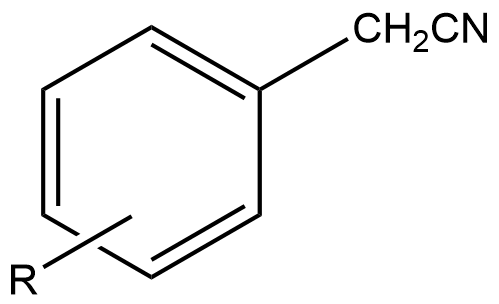
Benzeneacetonitrile, often known simply as phenylacetonitrile, quietly underpins a vast array of pharmaceutical syntheses. Its simple structure—a benzene ring linked to a nitrile group via a methylene bridge—belies its outsized importance. This compound acts as a versatile building block, enabling the construction of complex molecules through straightforward transformations of the nitrile functionality. In medicinal chemistry, it regularly serves as a precursor to amides, acids, and amines that populate the pharmacopeia, making it an essential thread in the fabric of drug discovery.
Take a look at some classic examples where this compound makes its mark. It’s the starting point for synthesizing phenylacetic acid derivatives, which appear in drugs like penicillin G and various NSAIDs. The nitrile group can be hydrolyzed to yield carboxylic acids or reduced to amines, feeding directly into the synthesis of antidepressants and stimulants. Even in chiral synthesis, phenylacetonitrile derivatives are resolved enzymatically to produce enantiopure intermediates for cardiovascular and antipsychotic agents. Wherever a phenyl ring needs a two-carbon chain with a functional handle, phenylacetonitrile often turns out to be the unsung hero bridging the gap between basic chemistry and therapeutic impact.
Crafting Molecules with Precision and Scale
Building complex molecules demands both meticulous control and the ability to produce them in meaningful quantities. Precision ensures that every bond forms exactly where intended, while scalable methods transform delicate lab discoveries into robust industrial processes. It's a balance of art and engineering, where the smallest adjustment in conditions can unlock a cascade of reactivity.
Achieving this requires tools that offer granular command over reaction parameters — from temperature and pressure to reagent stoichiometry. Automated platforms, continuous flow systems, and advanced analytics now make it possible to refine these variables with unprecedented speed. The result is not just higher yields, but also purer compounds and faster development cycles.
Beyond the technical machinery, a culture of iterative improvement drives progress. Teams that embrace real-time monitoring and rapid feedback can pivot quickly when challenges arise. This mindset turns each molecule into a learning opportunity, gradually building a library of reliable pathways that bridge the gap between a spark of chemical creativity and a market-ready product.
The Quiet Strength of a Reliable Supply Chain
A supply chain isn't something most people think about until it breaks. Yet its true power lies in its ability to remain invisible—absorbing disruptions, adapting to demand, and delivering without fanfare. Like the foundations of a building, it supports everything quietly, allowing businesses to operate with confidence and customers to take availability for granted. This silent efficiency is not accidental; it is the result of deliberate design, rigorous contingency planning, and a culture that values preparedness over reaction.
What makes such a chain resilient isn't just robust logistics or diversified suppliers, but the relationships and trust woven between every link. When a factory in Vietnam floods or a port in Europe faces unexpected delays, the system doesn't collapse—it reroutes, buffers, and communicates. These moments reveal the depth of collaboration that has been nurtured over years, often out of public view. The real measure of reliability comes not when everything runs smoothly, but when problems are solved before they cascade into crises.
In a world obsessed with speed and cost-cutting, the quiet strength of a dependable supply chain reminds us that stability can be a strategic advantage. It grants companies the freedom to innovate, knowing their operations won't be derailed by preventable breakdowns. For customers, it translates into trust—a brand that consistently delivers on its promises, regardless of external pressures. This understated reliability may not make headlines, but it builds the kind of loyalty that no advertising campaign can buy.
Quality That Speaks Through Regulatory Audits
True quality isn’t something we simply claim—it’s something we prove, time and again, under the most rigorous scrutiny. When regulatory auditors walk through our facilities, they don’t just find compliant processes on paper. They witness a deeply ingrained culture where every protocol is second nature, every record meticulously maintained, and every outcome consistently aligned with global standards. This isn’t a performance for an inspection; it’s the daily rhythm of our operations.
Our track record speaks volumes. We don’t just pass audits—we exceed expectations, often leaving auditors impressed by systems that go beyond baseline requirements. From cleanroom behaviors to supply chain traceability, the details that often trip up others are where we shine. That’s because our teams don’t view regulations as hurdles; they see them as the foundation for building trust with every product we deliver.
Each successful audit is more than a certificate on the wall. It’s a testament to the collective commitment that runs through every department—from research to logistics. In an industry where corner-cutting can be tempting, our quality doesn’t whisper; it declares itself clearly through the outcomes that matter most: patient safety, reliable supply, and partners who rest easy knowing they’ve chosen uncompromised excellence.
Turning Timelines into Competitive Advantage
When speed and precision collide, timelines stop being just a plan and start becoming a strategic lever. Projects that clip along at a deliberate pace don't just land on time—they often catch competitors flat-footed, especially when market windows are narrow and customer expectations evolve by the week. The magic lies not in rushing, but in engineering a rhythm that turns each phase of delivery into a quiet signal of reliability. Over time, that reliability becomes a reputation, and reputation is one asset that's remarkably hard to replicate under pressure.
Consider how compressed feedback loops work to your advantage. By breaking larger initiatives into compact, measurable sprints, you gather real-world insight faster than rivals stuck in yearly planning cycles. Each finished cycle refines not just the product, but the team's ability to forecast, adapt, and trim away low-value activities. Suddenly, your timeline isn't a promise to stakeholders—it's a feedback engine that sharpens your edge with every iteration.
The real payoff comes when timelines become the skeleton of trust. Customers learn they can set their watch by your releases; partners align their roadmaps to your cadence. That rhythm, once established, creates high barriers to entry for competitors, because they can't simply copy the outcome—they would need to replicate the culture, tooling, and discipline that produce it. In that sense, the timeline itself becomes the competitive moat.
Beyond Transactions: Building Long-Term Solutions
Genuine progress rarely comes from one-off deals or quick wins. It’s stitched together over time, shaped by consistent effort and a shared vision that outlasts any single exchange. When the spotlight shifts from mere transactions to ongoing partnership, the real work begins—aligning incentives, adapting to evolving needs, and cultivating resilience. This isn’t about delivering a product and walking away; it’s about staying engaged through the messy middle, where trust deepens and real solutions emerge organically.
A lasting solution demands more than a signed contract. It calls for curiosity—the willingness to dig into the undercurrents that others overlook, to ask what happens after implementation, and to co-create pathways that evolve with time. It’s in the unglamorous check-ins, the proactive adjustments, and the honest conversations that happen when metrics falter. By treating every interaction as a seed rather than a transaction, we nurture ecosystems that can weather disruption, pivot gracefully, and ultimately sustain themselves through trust and mutual accountability.
FAQ
Phenylacetonitrile is an aromatic organic compound featuring a benzene ring attached to an acetonitrile group. Its structure allows it to serve as a flexible precursor in synthesizing various active pharmaceutical ingredients, particularly those targeting cardiovascular and central nervous system disorders. The nitrile group can be transformed into amines, amides, or carboxylic acids, making it an indispensable building block for medicinal chemists.
A focused CDMO brings deep process knowledge that shortens development timelines and reduces costly scale-up surprises. They've typically mastered the synthesis and purification nuances, from controlling exothermic reactions to minimizing hazardous byproducts. This expertise translates into robust, reproducible processes, reliable supply chains, and regulatory support that accelerates a drug's path through clinical phases.
Beyond competitive pricing, attention should go to a supplier's track record in handling nitrile chemistry safely and efficiently. Look for demonstrated process analytical technology integration, impurity profiling capabilities, and a quality system aligned with ICH guidelines. A genuine partner will proactively suggest continuous improvement opportunities and demonstrate flexibility during demand fluctuations without compromising quality.
In drug manufacturing, phenylacetonitrile often enters early synthetic steps to construct complex heterocycles or chiral centers. For example, it can be used to build phenethylamine backbones found in certain adrenergic agents, or it can undergo cyclization to form isoquinoline derivatives relevant to antispasmodic medications. Its reactivity under both acidic and basic conditions gives route designers multiple disconnection options.
Rigorous control starts with raw material purity checks and extends through in-process monitoring of residual catalysts or solvents. Manufacturers should employ techniques like HPLC for assay and related substances, GC for volatile impurities, and heavy metal testing per pharmacopeial standards. Stability studies under forced degradation conditions also help identify potential degradants and ensure shelf-life reliability in different climatic zones.
A strategic CDMO doesn't just follow a recipe—they re-engineer the process for larger scale, tackling heat transfer limitations and mixing inefficiencies that can derail yields or purity. They install dedicated equipment to avoid cross-contamination and develop crystallization protocols that deliver consistent particle size. This hands-on problem-solving prevents late-stage failures and keeps regulatory filings on schedule.
Its utility lies in the combination of the phenyl ring for hydrophobic interactions and the nitrile group as a synthetic handle. The nitrile can be reduced to a primary amine, hydrolyzed to an acid, or reacted with organometallics to form ketones. This multimodal reactivity allows medicinal chemists to access diverse pharmacophores from a single starting material, streamlining library synthesis and hit exploration.
Sourcing challenges often include variability in impurity profiles that affect downstream yields, especially when trace aldehydes or homologues are present. A capable CDMO invests in purification technology like fractional distillation under controlled vacuum and continuous chromatographic methods. They also establish strict supplier qualification programs and can offer custom manufacturing to meet unique purity specifications, mitigating risk for the end user.
Conclusion
Phenylacetonitrile serves as a versatile building block in pharmaceutical synthesis, appearing in pathways for active pharmaceutical ingredients across therapeutic areas. Its chemical utility, however, demands rigorous process control and deep expertise to transform it from a commodity nitrile into a high-purity intermediate. An experienced CDMO bridges this gap by applying tailored synthetic routes, whether through cyanation chemistry or subsequent derivatizations, all while scaling from gram-level development to metric-ton commercial supply. The partner’s ability to refine reaction conditions—managing exothermic steps, optimizing yields, and minimizing impurities—ensures that the molecule meets exacting specifications consistently, even as demand fluctuates.
Behind seamless scale-up lies a supply chain orchestrated for resilience, where strategic sourcing of raw materials and contingency planning insulate programs from disruption. Quality systems built around ICH guidelines and reinforced by a history of successful regulatory inspections become the unsung backbone of market approvals. When time-to-clinic or time-to-market pressures intensify, a CDMO that integrates parallel process development, accelerated analytical methods, and dedicated project management compresses timelines without cutting corners. This partnership model evolves beyond a transactional vendor relationship: it becomes a strategic extension of the sponsor’s development engine, offering long-term stability, continuous improvement, and innovation that adapts to pipeline needs—from early-phase agility to lifecycle management of commercial products.
Contact Us
Contact Person: Wei Zhang
Email: [email protected]
Tel/WhatsApp: 862163529955
Website: https://www.dslchem.com