

Power Distribution Box Essentials: Optimizing Electrical Systems for Efficiency and Safety
2026-01-22
In today’s fast-paced world, efficient and safe electrical systems are not just a luxury—they’re a necessity. Whether you’re managing a commercial facility, an industrial plant, or a residential complex, the heart of your power infrastructure lies in the distribution box. Often overlooked, these critical components play a pivotal role in optimizing energy flow, preventing hazards, and ensuring seamless operations. At Lugao, we understand that a well-designed distribution box can make all the difference. This blog dives deep into the essentials of power distribution boxes, exploring how to enhance efficiency and safety in your electrical setups. Join us as we uncover practical tips, innovative solutions, and the latest trends that will not only pique your curiosity but also empower you to make informed decisions for your projects. Get ready to transform your approach to electrical systems—because when it comes to power, every detail matters.
Exploring Key Components of Power Distribution Boxes
When you crack open a power distribution box, it's not just a jumble of wires and parts—it's a carefully orchestrated system designed to manage electricity safely and efficiently. At the heart of it, you'll find the main circuit breaker or fuse, which acts as the gatekeeper, cutting off power to prevent overloads and short circuits. This component is crucial because it protects everything downstream from potential damage, ensuring that your electrical setup doesn't turn into a hazard. Without it, even a minor fault could escalate quickly, making this little switch a big deal in any installation.
Diving deeper, the bus bars stand out as the unsung heroes, serving as the backbone for distributing power within the box. These conductive strips or bars are where multiple circuits connect, allowing electricity to flow from the main supply to various branch circuits. What makes them fascinating is their design—often made of copper or aluminum for optimal conductivity, they're engineered to handle high currents without overheating. In practice, this means your lights, outlets, and appliances get the juice they need without flickering or failing, all thanks to these sturdy, low-resistance pathways that keep everything running smoothly.
Another key player is the terminal blocks, which might seem mundane but are essential for organization and safety. These blocks provide secure connection points for wires, preventing loose ends that could lead to sparks or electrical fires. They come in various types, like screw terminals or spring-loaded versions, each offering a reliable way to link circuits without constant maintenance. In real-world terms, they're what keep installations tidy and accessible, making it easier for electricians to troubleshoot or upgrade systems without a tangled mess. It's these small details that often define a box's reliability and longevity.
Enhancing Safety Measures in Electrical System Design
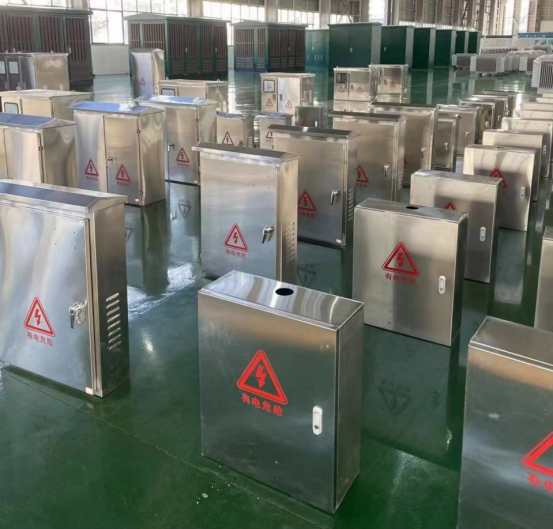
Designing electrical systems with safety at the forefront involves integrating advanced materials and smart technologies that minimize risks. Incorporating flame-retardant insulation and ground-fault circuit interrupters (GFCIs) can significantly reduce fire and shock hazards, while automated monitoring tools provide real-time alerts for potential issues before they escalate. This proactive approach not only safeguards users but also extends equipment lifespan.
To further enhance safety, modern designs leverage redundancy strategies and modular components. By using backup circuits and isolating critical sections, engineers can prevent system-wide failures, ensuring that a single fault doesn't compromise overall functionality. Additionally, modularity allows for easier maintenance and upgrades, reducing downtime and exposure to live electrical parts during repairs.
Future trends focus on human-centered innovations, such as intuitive interfaces and predictive analytics. These features empower users with clear visual cues on system status and predictive maintenance schedules, making safety management more accessible and less reliant on technical expertise. As a result, electrical systems become not just functionally robust but also inherently safer for everyone interacting with them.
Boosting Efficiency Through Optimized Power Distribution
In today's energy-conscious world, boosting efficiency through optimized power distribution is not merely a technical upgrade but a strategic necessity for businesses and communities alike. By fine-tuning how electricity flows from generation sources to end-users, we can significantly reduce energy losses that typically occur during transmission and distribution. This optimization often involves deploying smart grid technologies, real-time monitoring systems, and advanced load-balancing algorithms that adapt to fluctuating demand patterns.
What sets this approach apart is its holistic impact: beyond just cutting utility bills, it enhances operational reliability and sustainability. For example, in industrial settings, tailored power distribution minimizes downtime by preventing overloads and voltage sags, while in residential areas, it supports the integration of renewable sources like solar panels, making energy usage more predictable and eco-friendly.
Ultimately, this focus on optimized distribution transforms energy management from a passive cost into an active asset, driving both economic gains and environmental stewardship without compromising performance.
Innovative Technologies for Modern Electrical Management
In today's fast-paced world, the integration of smart grids and IoT devices is revolutionizing how we manage electrical systems, enabling real-time monitoring and adaptive control to optimize energy distribution and reduce waste.
Advanced energy storage solutions, such as lithium-ion batteries and flow batteries, are playing a crucial role in balancing supply and demand, facilitating the seamless incorporation of renewable sources like solar and wind into the power grid.
Moreover, AI-driven analytics and predictive maintenance tools are empowering utilities and consumers alike to anticipate faults, enhance efficiency, and ensure reliable electrical management in an increasingly digital landscape.
Practical Installation and Maintenance Best Practices
Getting your equipment up and running smoothly starts with a solid foundation. Before you even unbox that new hardware, take a moment to review the manufacturer's guidelines specific to your model—skipping this step can lead to avoidable headaches down the line. It's also wise to create a checklist for the installation process, ensuring you have all necessary tools and parts on hand. A clean, organized workspace isn't just about aesthetics; it reduces the risk of losing small components or causing accidental damage during setup. Don't rush through connections and alignments; a few extra minutes spent here can prevent misalignments that might cause wear or failure months later. Remember, a meticulous installation isn't just about initial performance; it sets the stage for easier maintenance and longer-lasting reliability.
Once everything is installed, establishing a proactive maintenance routine is key to avoiding unexpected downtime. Rather than waiting for signs of trouble, schedule regular checks based on usage patterns and environmental factors like dust or humidity. For instance, if you're in a dusty area, more frequent cleaning of filters and vents might be necessary. Keep a simple log of each maintenance activity—what was done, when, and any observations—as this can help spot trends or early warnings of potential issues. Use the right tools and cleaning supplies recommended for your equipment to avoid damage; harsh chemicals or improper methods might seem like a quick fix but could degrade materials over time. By staying ahead with these habits, you not only extend the lifespan of your gear but also ensure it operates at peak efficiency, saving you time and money in the long run.
Beyond the basics, consider the human element in maintenance. Train users on proper handling and simple troubleshooting steps, such as resetting devices or recognizing common error messages, which can resolve minor problems without expert intervention. Foster a culture where everyone feels responsible for reporting unusual noises, vibrations, or performance dips promptly—early detection often means simpler, cheaper repairs. Also, stay informed about updates or recalls from manufacturers; subscribing to newsletters or forums can provide timely tips that aren't always in the manual. In essence, treating installation and maintenance as an ongoing partnership with your equipment, rather than a one-time task, leads to smoother operations and fewer surprises, making your investment truly practical and sustainable.
Real-World Applications and Case Studies in Efficiency
Let's dive right into how efficiency plays out in the real world—beyond theory. In manufacturing, take Toyota's production system: by minimizing waste and optimizing workflows, they've slashed costs and boosted quality, inspiring countless others across industries. It's not just about speed; it’s about doing more with less, using lean principles that adapt to everything from automotive plants to healthcare settings, where streamlined processes save lives daily.
Consider tech giants like Google, which harness efficiency through data-driven decisions. Their search algorithms, constantly refined, deliver quick results while conserving server energy—a win for users and the planet. Case studies in Silicon Valley show how agile methodologies accelerate software development, cutting time-to-market and enhancing collaboration in fast-paced environments. These examples highlight that efficiency isn't a one-size-fits-all concept; it thrives on innovation and real-time feedback.
On a personal level, think about smart home devices. Thermostats like Nest learn our habits, adjusting temperatures automatically to reduce energy bills without sacrificing comfort. This subtle integration of efficiency into daily life proves how small changes, backed by case studies from energy audits, can yield significant long-term benefits, reshaping how we interact with our surroundings in sustainable ways.
FAQ
A power distribution box is essentially the central hub in an electrical setup that safely divides incoming electricity into multiple circuits, ensuring each gets the right amount of power. Without it, systems would risk overloading, short circuits, or inefficient energy use, which could lead to costly downtime, safety hazards, and increased utility bills.
Optimizing involves using smart components like breakers with real-time monitoring and load balancing to prevent wasted energy. For instance, by adjusting power distribution based on actual demand, you can cut down on idle consumption—often reducing overall energy use by up to 15-20% in commercial settings, which adds up to substantial cost savings over time.
Common risks include overheating due to loose connections, corrosion from moisture, or outdated fuses that fail to trip during faults. Mitigation strategies include regular inspections—checking for wear and tear every six months, using moisture-resistant enclosures in damp areas, and upgrading to modern circuit breakers with arc-fault protection to prevent electrical fires.
The design directly affects uptime and performance. A well-designed box with modular components allows for easy troubleshooting and scalability, while robust materials like steel enclosures protect against environmental factors. Additionally, features like surge protection and redundant circuits ensure that if one part fails, the rest of the system keeps running smoothly, minimizing disruptions.
Sure, take a manufacturing plant that upgraded to a power distribution box with automated load sensing. Before, machines often drew power unevenly, causing frequent overloads. After optimization, the box redistributed power dynamically, eliminating downtime events by 30% and lowering energy costs by 18% within the first year, showcasing a clear return on investment.
Important factors include the total electrical load required, the types of circuits (e.g., for lighting vs. heavy machinery), future expansion needs, and compliance with local safety standards like NEC codes. It's also wise to opt for boxes with built-in monitoring capabilities, as this allows for proactive maintenance and data-driven decisions to keep the system efficient long-term.
Routine maintenance, such as cleaning dust buildup and tightening connections, prevents overheating that can degrade components and waste energy. By catching issues early—like a worn breaker—you avoid unexpected failures that might cause fires or costly repairs, ensuring the system operates at peak efficiency and extends its lifespan, reducing total ownership costs.
Conclusion
The exploration of power distribution box components reveals how essential elements like circuit breakers, fuses, and busbars work together to manage electrical flow efficiently and safely. By integrating enhanced safety measures, such as proper insulation and surge protection, these systems prevent hazards like short circuits and overloads. This foundation supports optimized power distribution, which boosts efficiency by minimizing energy losses and ensuring stable voltage levels across networks. Together, these aspects form a robust framework that prioritizes both performance and protection in electrical designs.
Innovative technologies, including smart monitoring systems and automated controls, further elevate modern electrical management by enabling real-time adjustments and predictive maintenance. Practical installation and maintenance best practices, such as regular inspections and adherence to standards, ensure long-term reliability and cost savings. Real-world applications and case studies demonstrate how these strategies translate into measurable improvements in efficiency across various settings, from industrial plants to residential complexes. Ultimately, optimizing electrical systems through power distribution box essentials not only enhances safety and efficiency but also drives sustainable and adaptable energy solutions for diverse environments.
Contact Us
Contact Person: Doreen
Email: [email protected]
Tel/WhatsApp: 8618057712366
Website: https://www.liugaopower.com/