
Rigid Box Solutions: Protecting Premium Products with Style
2026-11-16
Premium products demand more than just padding—they need a presence. Rigid box solutions deliver both armor and allure, but only when done right. At Imagine Craft Packaging, protection and style aren't competing goals; they're the same craft. Curious how? Read on.
The Structural Secret Behind High-End Packaging
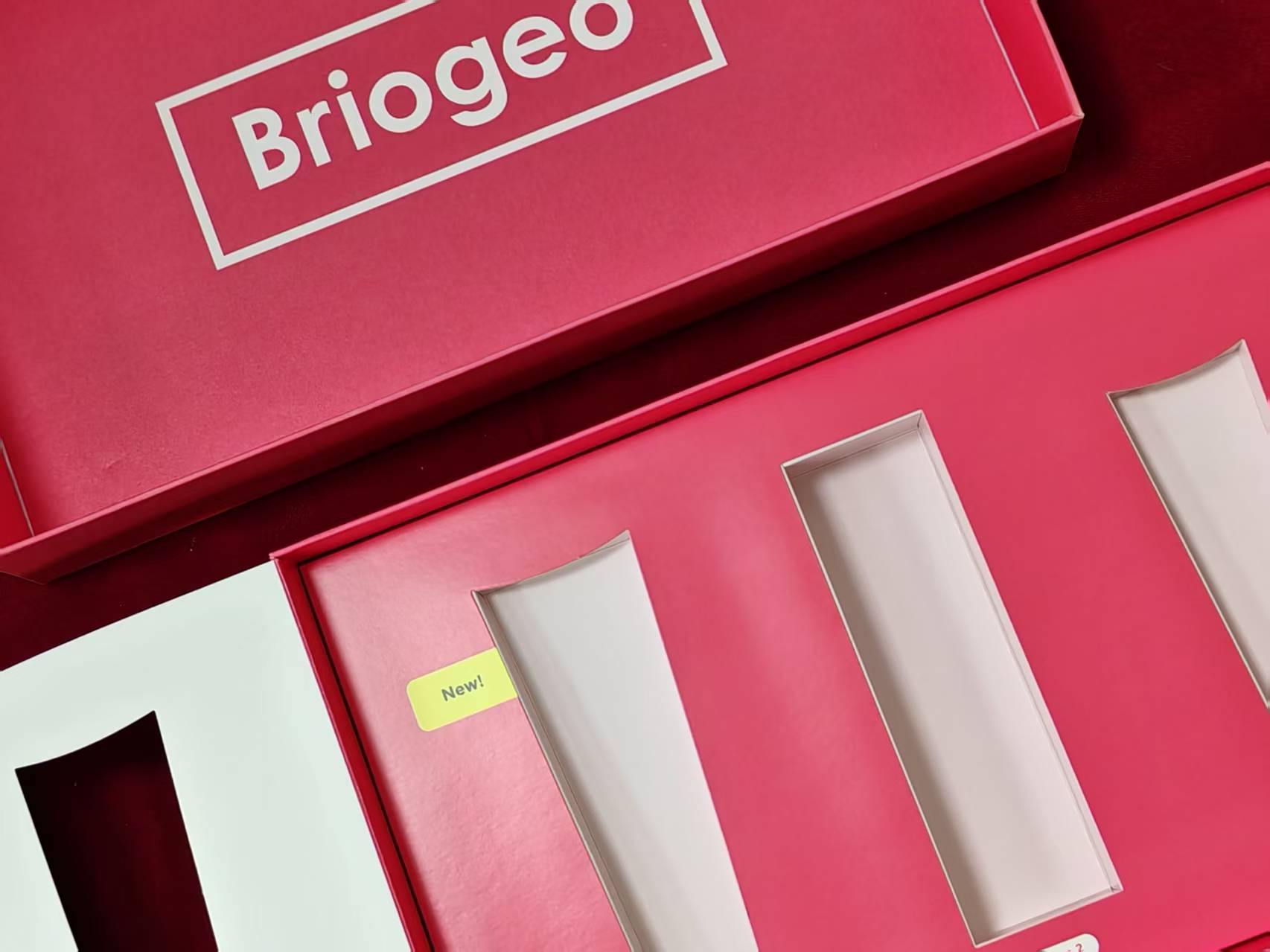
Beneath the flawless surface of a premium box lies a skeleton that most consumers never see. Take a rigid magnetic closure box: its corners aren't simply folded but reinforced with hidden paperboard braces that resist crushing during shipping. The lid, often weighted with a thin metal plate or dense chipboard insert, drops with a satisfying, controlled thud rather than a hollow clatter. These quiet engineering choices—calculated tolerances between lid and base, a micro-bevel on the inner rim—turn a simple container into a tactile promise of what's inside.
The opening sequence is choreographed by structure. A luxury carton might employ a two-stage hinge: the first thirty degrees offer slight resistance, building anticipation, then a soft-release mechanism lets the lid glide open on its own. Some inserts are die-cut with angled ramps that lift the product toward the user as the box unfolds, a silent act of presentation. Contrast this with a standard flip-top that snaps open instantly; the high-end version deliberately slows time, letting each panel and fold perform a small mechanical role.
There's also a quiet conversation between material grain and geometry. The internal tray of an upscale cosmetic set often uses corrugated flutes running vertically against horizontal side walls to create natural shock absorption without foam. Locking tabs, precision-cut to fractions of a millimeter, hold everything in place without a drop of adhesive—a nod to old bookbinding techniques. These structural choices aren't about cost alone; they reduce waste, simplify recycling, and give the unboxing a feel of engineered calm rather than disposable excess.
Why Thicker Boards Don't Mean Clunky Designs
There's a stubborn assumption that a thicker board must automatically feel heavy, stiff, and visually dated. In reality, contemporary material engineering has flipped that logic. A well-built thick board can be surprisingly light thanks to advanced foam cores and carbon reinforcements that strip away unnecessary mass without compromising the voluminous profile. The extra thickness often allows for more strategic flex patterns, meaning you get that smooth, damped ride without the dead, plank-like sensation many people fear.
What truly makes a design feel clunky isn't the board's overall thickness, but how the volume is distributed and how the rails are shaped. A thicker deck with carefully tapered rails and a refined nose and tail can still feel nimble underfoot. Many modern all-mountain and freeride boards embrace a slightly thicker waist to house a more robust edge and a smoother torsional flex, yet they carve and transition with surprising agility. The visual bulk is also often offset by sleek graphics and a matte finish that reads more sculptural than bulky.
Riders who dismiss thicker boards after one experience are usually reacting to a poorly executed profile rather than the concept itself. When the flex is tuned to work with the added volume, a thicker board can deliver superior edge hold on hardpack, better float in powder, and a more forgiving landing platform. It's not about shaving every millimeter for the sake of it; it's about understanding that thickness is just one variable in a complex equation of shape, camber, and core construction. Done right, a thicker board feels planted and confident, never clunky.
Layering Foam, Fabric, and Paper for a Soft Landing
Start with a base layer of dense foam, the kind that slowly remembers its shape after you press a thumb into it. This is the workhorse of the stack—it takes the brunt of any impact and spreads the force sideways instead of letting it spike through. Cut it slightly smaller than the object you're protecting, so the edges stay soft and forgiving.
Next, drape a piece of worn cotton or linen over the foam. The fabric does two quiet jobs: it keeps the foam from abrading delicate surfaces, and it gives the whole assembly a bit of drag when things shift. Avoid anything too slick—old bedsheets or denim scraps work better than polyester lining, because their slightly rough texture grips the object just enough to stop it sliding around under pressure.
Finish with a few sheets of crumpled kraft paper, not flattened but left loosely wrinkled so air pockets form between the folds. Paper is the final shock absorber, the one that crushes first and most visibly, telling you where the worst of the impact landed. Replace it after each drop, and the foam and fabric underneath can keep doing their job for years.
Embossing, Debossing, and Other Quiet Details
Embossing and debossing rarely announce themselves. They work in the negative space of touch: one lifts the paper slightly into view, the other presses it into a shallow valley. On a matte stock, a debossed mark can disappear until your thumb crosses it—an invitation to slow down and handle the piece rather than just read it.
Other quiet details follow the same logic. A hairline border that catches light only at an angle, a blind rule that interrupts the grain of the linen, or edge painting in a tone one shade darker than the sheet. These choices don't compete with the text; they frame it, the way a room's baseboard shapes a wall without ever being mentioned.
The best quiet details are structural, not decorative. A debossed cover panel may align with a printed rule on the title page. An embossed logo on the spine might echo the texture of the endpapers. When you notice one, you start finding the others—and the object begins to feel made rather than produced.
When Opening the Box Feels Like Part of the Product
The first slide of cardboard often carries more weight than the item inside. A softly textured sleeve, a precisely folded flap, a whisper of adhesive giving way — these moments shape anticipation long before the object itself appears. When the unboxing feels intentional, the product gains a kind of pre-life, an aura that begins forming in the fingertips.
This isn't about luxury padding or wasteful layers. It's about pacing. A small resistance at the right moment, a hidden compartment for the unexpected, a paper grain that catches the light differently than expected. Such details ask you to slow down, to notice your own hands, to treat the opening not as a hurdle but as a handshake. The box becomes a quiet collaborator in the experience.
For many makers, the packaging is no longer an afterthought — it's the first touchpoint, the first sound, the first scent. A well-designed unboxing can turn a simple tool into a memory, or a routine delivery into a small ritual. When the box feels like part of the product, the boundary between what you bought and how it arrives dissolves, leaving only the feeling that someone thought carefully about the moment you would meet.
From Warehouse to Doorstep: Where Rigid Boxes Earn Their Reputation
A rigid box rarely gets a second glance on the shelf, but its journey from a distribution center to a customer's front step is where the real test begins. Unlike folding cartons that flex and crumple under pressure, these boards stand firm through conveyor belts, stacked pallets, and the occasional drop at the sorting hub. The corners stay sharp, the lid sits flush, and the product inside never rattles against the walls. That quiet resilience is why brands choose rigid packaging for high-value items—it turns a simple delivery into an unboxing that feels deliberate.
The reputation of a rigid box is earned in the unglamorous moments: a rainy afternoon on a porch, a three-day ride in the back of a truck, a hurried courier tossing parcels onto a handcart. Foam inserts, magnetic closures, and tight-fitting telescoping lids absorb the shocks that would dent lesser packaging. When the outer tape is cut and the box is lifted away, the product emerges exactly as it left the warehouse—no scuffs, no shifting, no silent apology from the brand. That consistency is what turns a one-time buyer into a loyal subscriber.
At the doorstep, the rigid box becomes a physical handshake. Its weight and solidity signal care before the lid is even opened. Customers don't just recycle it; they hesitate, then keep it for storing keepsakes or drop it into a drawer for later. The box lingers long after the product is gone, carrying the brand's name with a quiet confidence that no padded envelope can match. That's the reputation earned one delivery at a time—a simple cardboard structure that refuses to be ordinary.
FAQ
A rigid box is built around a thick paperboard base, usually wrapped with premium paper, fabric, or leatherette. Unlike a folding carton that ships flat and gets creased into shape, a rigid box arrives pre-formed and holds its structure. That stiffness gives it a solid, substantial feel you simply don’t get from a thinner carton.
Anything where perceived value matters tends to work well—luxury cosmetics, high-end electronics, jewelry, watches, gourmet chocolates, and limited-edition spirits. Rigid boxes are also common for corporate gifts and subscription boxes that need to feel like a keepsake rather than disposable packaging.
Yes, customization is the main reason brands choose rigid boxes. You can select everything from the outer wrap material and color to embossing, debossing, foil stamping, spot UV, magnetic closures, ribbon pulls, and custom inserts. The structure itself—lid style, tray depth, hinge type—can also be tailored to fit your product exactly.
Very well, provided the insert is designed correctly. The rigid board distributes pressure evenly around the product, while a snug-fitting custom insert prevents shifting and absorbs impact. Many rigid boxes use a two-piece telescoping lid that adds an extra layer of corner protection, making them suitable for glass bottles, electronics, and delicate accessories.
Yes, but they require more care in material selection. You can use recycled paperboard, FSC-certified wraps, water-based adhesives, and soy-based inks. Some suppliers also offer reusable designs where the box becomes a storage container, extending its life far beyond the first unboxing. Avoiding plastic lamination and choosing uncoated or biodegradable finishes further reduces environmental impact.
Soft-touch lamination, blind embossing, metallic foil stamping, and interior printed liners all make a difference. A magnetic closure with a gentle snap, a silk ribbon pull, or a flocked insert for jewelry adds tactile surprise. Even small details like colored edge painting or a debossed logo on the inside lid signal that the packaging was considered as carefully as the product.
A rigid box slows down the opening ritual. The weight of the lid, the friction of a drawer slide, or the resistance of a magnetic closure creates anticipation. When the interior is lined with printed paper or molded cushioning, the reveal feels intentional. That moment often gets shared on social media, turning the packaging into part of the product story.
They can work for both, but small businesses should focus on lower minimum orders and standardized sizes to manage cost. Many suppliers offer stock rigid boxes that can be customized with a printed label, foil-stamped logo, or colored ribbon. For artisan products like handmade soaps or small-batch candles, a well-chosen stock rigid box can deliver a luxury impression without a huge upfront investment.
Conclusion
Rigid boxes earn their place in premium packaging not through a single trick but through a quiet balance of strength and restraint. The structural core often combines dense grey board with precisely cut channels, allowing corners to stay crisp without turning the container into a bulky vault. That extra rigidity does not mean a clunky silhouette; instead, designers use thinner profiles and clean edges to keep the object feeling intentional rather than overbuilt. Inside, layers of foam, fabric, and fine paper do the protective work while also creating a first touch that feels deliberate. A device might sit in a flocked tray, a watch might rest against a suede-covered insert, and the whole arrangement absorbs shock without looking like industrial packing.
The quieter details matter just as much. Embossing, debossing, and blind textures give the exterior a tactile signature without loud graphics. When the lid lifts with a slight resistance and the interior reveals itself in stages, opening the box becomes part of the product experience rather than a disposable step. That experience also has to survive reality. Rigid boxes are designed with distribution in mind, so from warehouse shelves to the final doorstep they maintain their shape, resist corner crushing, and keep the inner components from shifting. The result is not just protection but a consistent impression: the customer feels the brand's care before they ever touch the actual product.
Contact Us
Contact Person: Sunnie
Email: [email protected]
Tel/WhatsApp: +8615818596517
Website: https://www.imagine-craft.com/