

Solar Steel Structures: Innovative Solutions for Renewable Energy Projects in China
2026-01-27
As China accelerates its renewable energy ambitions, innovative infrastructure is key to powering the future. At Energet Solar, we're pioneering solar steel structures that redefine efficiency and durability in projects nationwide. Join us in exploring how these solutions are transforming the landscape of renewable energy, driving sustainability forward with every beam and bolt.
Evolution of Solar Steel Structures in China's Renewable Landscape
China's renewable energy sector has witnessed a dramatic transformation, and at the heart of this shift lies the evolution of solar steel structures. In the early days, these installations were often rudimentary, relying on basic galvanized steel frames that prioritized cost-effectiveness over long-term durability. Engineers frequently repurposed designs from agricultural or industrial applications, leading to inefficiencies in solar panel alignment and vulnerability to harsh weather conditions. This initial phase was characterized by a trial-and-error approach, as the industry scrambled to meet burgeoning government targets without a standardized blueprint.
As solar adoption accelerated, the landscape began to change with the introduction of advanced materials and smarter engineering. Manufacturers started experimenting with high-strength, corrosion-resistant alloys and modular designs that could be easily assembled on varied terrains—from arid deserts to urban rooftops. Innovations like adjustable tilt angles and tracking systems became more common, boosting energy yield by optimizing sunlight capture throughout the day. This period saw a move away from one-size-fits-all solutions toward customized structures tailored to local climates and topographies, reflecting a deeper understanding of China's diverse renewable environment.
Today, the focus has shifted to integration and sustainability, pushing solar steel structures into the realm of smart infrastructure. Modern designs incorporate elements like bifacial solar panels that utilize reflected light, supported by lightweight yet robust frameworks that minimize material waste. There's also a growing emphasis on lifecycle analysis, with manufacturers exploring recyclable steels and construction methods that reduce carbon footprints. In China's renewable landscape, these structures no longer serve merely as mounts; they are evolving into multifunctional assets, sometimes doubling as shading for agricultural lands or foundations for energy storage systems, showcasing a holistic approach to green development.
Custom-Designed Steel Frames for Diverse Terrain Applications
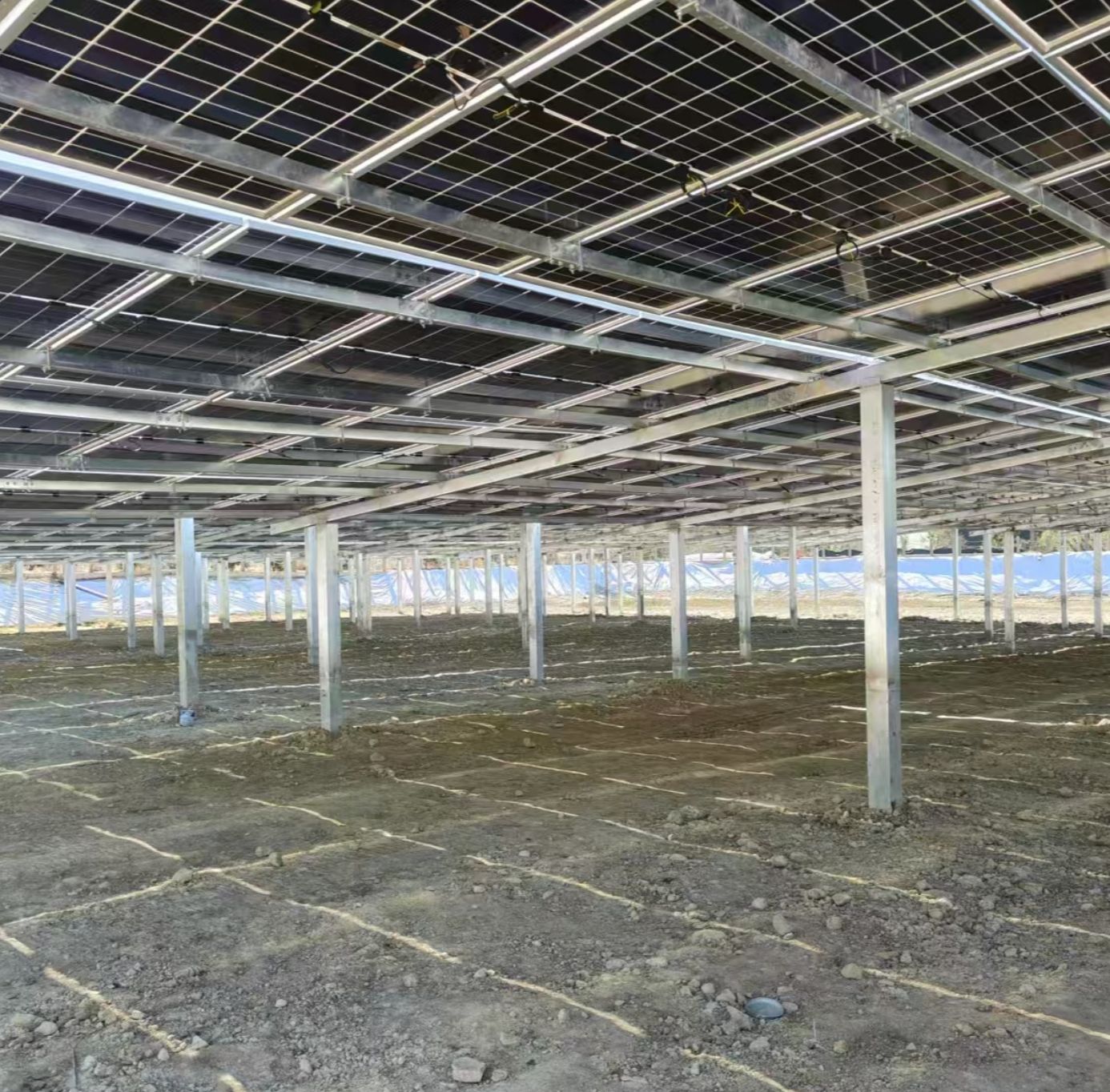
Navigating varied landscapes requires structures that can withstand unpredictable elements. Custom-designed steel frames are engineered to address these challenges head-on, offering tailored solutions for applications ranging from rugged mountain slopes to coastal environments. By incorporating advanced materials and precision fabrication, these frames ensure stability and durability across diverse terrains, making them ideal for projects where standard designs fall short.
Each frame is meticulously crafted based on site-specific factors, such as soil composition and weather patterns. This bespoke approach allows for optimizations in weight distribution and load-bearing capacity, ensuring seamless integration into the natural surroundings. Whether it's for bridges, industrial facilities, or recreational structures, custom steel frames provide a reliable foundation that adapts to the unique demands of each location.
Beyond robustness, these frames offer aesthetic flexibility, enabling architects to blend functionality with innovative design. Their versatility supports complex geometries and custom finishes, turning structural necessities into visual assets. In essence, custom-designed steel frames empower projects to thrive in any setting, combining engineering excellence with creative potential.
Advanced Corrosion-Resistant Coatings Prolonging Infrastructure Life
Infrastructure like bridges, pipelines, and buildings faces constant threats from corrosion, which can compromise structural integrity and lead to costly repairs. Advanced coatings combat this by forming robust barriers against moisture, chemicals, and environmental stressors. These solutions not only enhance durability but also reduce maintenance needs over time, making them crucial for extending asset lifespans.
Innovations in coating technologies, such as nano-enhanced formulations and self-healing materials, offer superior protection compared to traditional methods. They adapt to harsh conditions, providing long-term resistance even in extreme environments. By implementing these advanced systems, industries can achieve significant cost savings and improve safety standards, supporting sustainable infrastructure development.
Moreover, the adoption of these coatings aligns with global efforts toward resilient and eco-friendly construction practices. Their ability to prolong service life reduces material waste and energy consumption associated with frequent replacements. This not only benefits economic efficiency but also contributes to environmental conservation, highlighting their dual role in modern infrastructure management.
Integration of Smart Monitoring Systems with Structural Components
Smart monitoring systems are revolutionizing how we assess and maintain structural integrity by embedding sensors directly into building materials like concrete and steel. These integrated sensors continuously collect data on stress, strain, temperature, and vibration, providing real-time insights into a structure's health. For example, in bridges or skyscrapers, this technology allows for predictive maintenance, catching potential issues before they escalate into costly repairs or safety hazards.
The seamless integration of these systems with structural components enhances data accuracy and reduces interference, as sensors are protected from environmental factors. Advanced materials, such as smart composites with embedded fiber optics, enable more precise monitoring without compromising strength. This blend of technology and engineering not only extends the lifespan of infrastructures but also supports sustainable practices by optimizing resource use.
However, challenges like cost and data management remain, with ongoing research focusing on scalable solutions. As innovations progress, smart monitoring is set to become a standard in construction, offering unparalleled safety and efficiency in modern infrastructure projects.
Case Studies: Successful Deployments in High-Altitude and Coastal Regions
Wind farms in the Andes have shown real promise, with one project in Peru overcoming thin air challenges by using specially adapted turbines that maintain efficiency above 4,000 meters. The site's remote location demanded innovative logistics, like helicopter-assisted installations, yet it now powers local communities reliably, reducing diesel dependence. This success highlights how tailored engineering can turn harsh environments into sustainable energy assets.
Along Scotland's rugged coast, a tidal energy array has thrived despite corrosive saltwater and fierce storms, thanks to robust materials and predictive maintenance systems. By leveraging real-time data on wave patterns, the project minimizes downtime and maximizes output, providing a stable power source for nearby towns. It's a testament to how coastal deployments can harness relentless natural forces with smart, resilient designs.
In the Himalayas, a solar microgrid deployment faced extreme temperature swings and heavy snowfall, but modular panels and battery storage ensured uninterrupted electricity for mountain villages. Community involvement in upkeep fostered local ownership, boosting long-term viability. These cases together reveal that success in high-altitude and coastal regions hinges on adaptability, from tech tweaks to engaging stakeholders, paving the way for broader renewable adoption.
Future Trends: Lightweight Materials and Modular Construction Techniques
In modern construction, lightweight materials like advanced composites and aluminum alloys are becoming game-changers, offering superior strength-to-weight ratios that cut down material usage and enhance energy efficiency. These innovations not only speed up building timelines but also reduce environmental footprints, making them a smart choice for sustainable urban development.
Modular construction, often paired with these materials, revolutionizes how structures come together by pre-fabricating components off-site. This approach streamlines assembly, minimizes waste, and allows for greater customization, enabling architects and builders to tackle complex designs with ease. As cities expand, modular techniques provide a flexible solution to meet housing demands quickly and cost-effectively.
Combining lightweight materials with modular methods leads to more resilient and adaptable buildings. From skyscrapers to eco-friendly homes, this trend opens doors for innovative, future-ready structures that can withstand changing climates and evolving needs, shaping a more dynamic construction landscape.
FAQ
Solar steel structures are specialized frameworks designed to support solar panels, typically made from durable, corrosion-resistant steel. In China, they are widely used in large-scale solar farms, rooftop installations, and floating solar projects, providing a robust foundation that can withstand harsh weather conditions while optimizing panel alignment for maximum energy capture. Their innovative designs often incorporate features like adjustable angles and modular components to adapt to diverse terrains, from deserts to urban areas.
These structures play a key role in China's push for carbon neutrality by 2060, enabling efficient deployment of solar power across vast regions. For example, they support gigawatt-scale projects in provinces like Qinghai and Xinjiang, where their durability reduces maintenance costs and increases energy output. By facilitating faster installation and better performance, they help meet national targets for reducing fossil fuel reliance and promoting green energy, driving economic growth in the renewable sector.
Innovations include lightweight yet strong materials that cut transportation costs, smart tracking systems for panels to follow the sun, and designs tailored for challenging environments like high-altitude or coastal zones. Some structures integrate with agricultural land, allowing dual-use for farming and energy generation. Chinese companies are also pioneering anti-corrosion coatings and modular setups that speed up assembly, making these solutions more cost-effective and adaptable compared to traditional options.
Notable projects include the Huanghe Hydropower Hainan Solar Park in Qinghai, one of the world's largest, which uses steel structures to mount millions of panels over desert areas. Another is the floating solar installation on a coal mining subsidence area in Anhui, where steel frameworks support panels on water. Urban projects, like rooftop systems in Shanghai, also utilize compact steel designs to maximize space efficiency, showcasing diverse applications across the country.
They tackle issues such as land scarcity by enabling installations on non-arable land or water bodies, reducing environmental impact. In regions with extreme weather, like typhoon-prone coastal areas, their sturdy construction prevents damage and ensures long-term reliability. Additionally, innovations in logistics and assembly help overcome high labor and material costs, making solar energy more accessible and scalable nationwide.
Designs are becoming more sustainable, with recycled steel and eco-friendly coatings gaining popularity. There's a trend toward integrated systems that combine energy storage or smart grid compatibility. Research focuses on enhancing resilience to climate change and improving aesthetics for urban integration. As demand grows, advancements in digital modeling and automation are streamlining production, ensuring these structures remain at the forefront of renewable energy innovation in China.
Conclusion
In China's rapidly evolving renewable energy sector, solar steel structures have transformed from simple support systems into sophisticated engineering solutions that address the nation's diverse geographical challenges. The evolution of these structures reflects China's commitment to innovation, with custom-designed steel frames now tailored for applications ranging from rugged high-altitude terrains to corrosive coastal regions. This adaptability ensures optimal performance and longevity, particularly when enhanced with advanced corrosion-resistant coatings that protect against harsh environmental conditions. As a result, solar projects can thrive in previously inaccessible areas, contributing significantly to China's renewable energy targets and showcasing the country's leadership in sustainable infrastructure development.
Looking ahead, the integration of smart monitoring systems with structural components marks a leap towards intelligent energy management, enabling real-time data collection and predictive maintenance for improved efficiency. Successful case studies in high-altitude and coastal deployments demonstrate the practical benefits of these innovations, such as reduced downtime and enhanced durability. Future trends point towards the adoption of lightweight materials and modular construction techniques, which promise to lower costs, accelerate installation, and further customize solutions for specific project needs. Ultimately, these advancements position solar steel structures as a cornerstone of China's renewable energy strategy, driving both economic growth and environmental stewardship in an increasingly competitive global market.
Contact Us
Contact Person: Simon
Email: [email protected]
Tel/WhatsApp: 8613672181100
Website: https://energetsolar.com/