
Tissue Rewinding Machine Exporter Tips for Choosing a Reliable Supplier
2026-11-02
Choosing a tissue rewinding machine exporter goes far beyond comparing quotes—it’s about preventing unplanned downtime, inconsistent roll quality, and weak after-sales support that can quietly eat into your profits. Whether you’re upgrading an existing line or entering a new market, a poor supplier decision often shows up months later in ways you didn’t expect. This guide cuts through the noise with practical tips for vetting exporters, and highlights why partners like DAXIN are worth a closer look when reliability can’t be left to chance.
Start by Inspecting the Factory Floor, Not Just the Website
A polished website can hide sloppy production. Walking the actual floor reveals how raw materials are handled, whether equipment is maintained, and if workers move with purpose or hesitation. Look beyond the staged photos and ask to see the loading dock, the scrap bin, and the break room schedule. These details tell you more about consistency than any marketing page ever will.
During a visit, pay attention to what isn't highlighted. Are quality check sheets filled out in real time or hurriedly before your arrival? Do employees make eye contact and seem familiar with the product, or are they just going through motions? One manufacturer we met proudly showed a spotless showroom but had a molding area with outdated safety guards. The contrast made it clear that the front office and the production line weren't on the same page.
Ultimately, the factory floor is where promises either hold up or fall apart. If you can't see the actual process, ask for a live video walkthrough. Any supplier worth partnering with will welcome the scrutiny, because their operations are built to be seen, not hidden.
Ask How They Handle Custom Tissue Grades and Roll Sizes
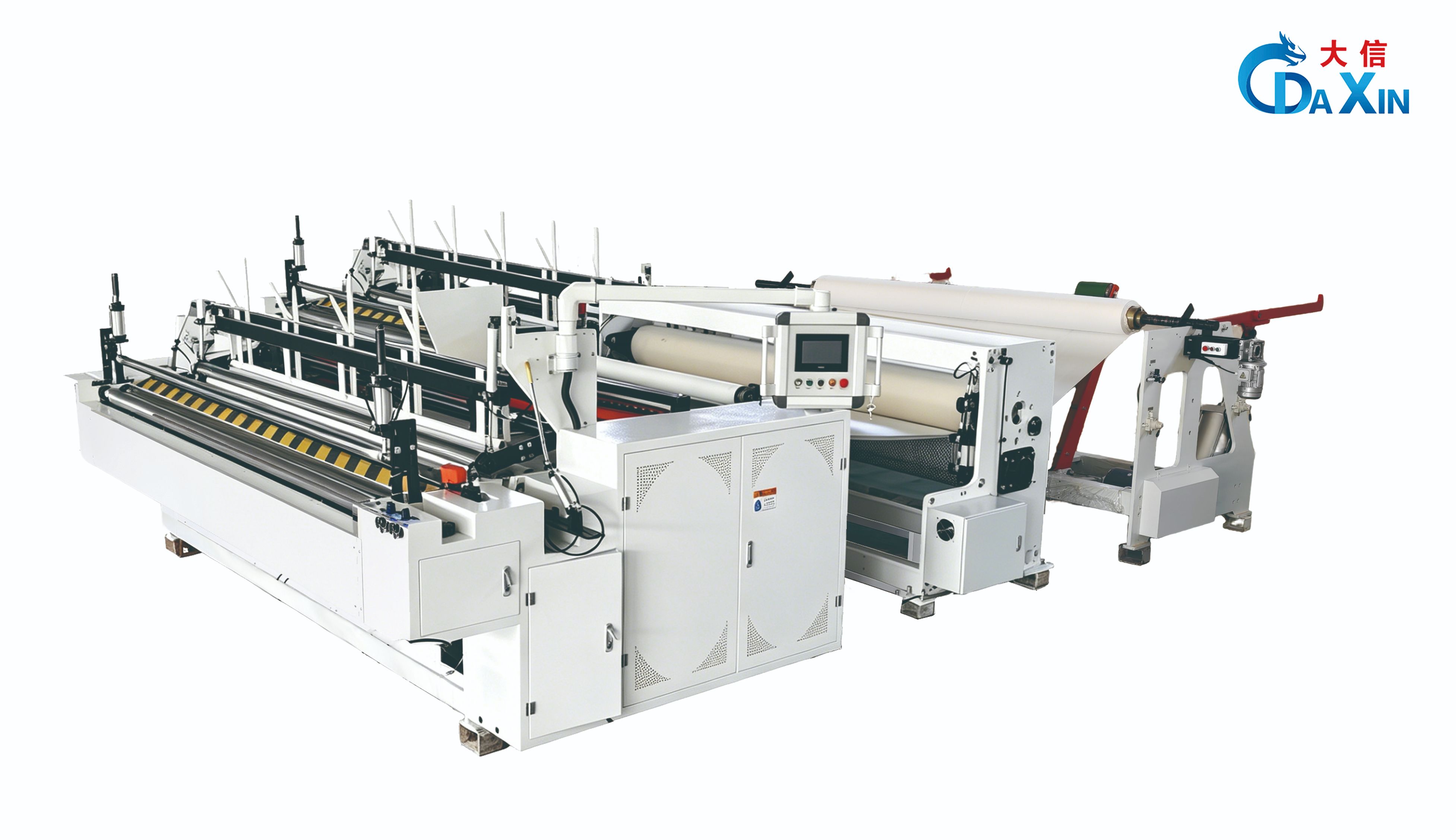
Dig into whether a supplier can actually adjust tissue grades instead of just labeling whatever they stock as "custom." Ask for specifics: can they vary basis weight, ply count, or fiber blends to hit a target softness and absorbency? A supplier who hesitates or gives you a generic spec sheet probably won't be much help when your product needs a non-standard grade.
Roll sizes matter more than most people think. You need to know if they can handle different roll diameters, widths, core sizes, and even perforation lengths. If they only offer three standard roll formats, you might end up forcing your dispensers or converting equipment to fit their product instead of the other way around. Get them to walk you through the actual range they can produce, not just what's on a price list.
The real test is how they handle the combination of grade and size changes. Ask if they're willing to produce small trial runs so you can check runnability on your line before committing to a large order. Pay attention to whether they ask about your end use, machine specs, and desired hand feel, or if they just push the closest stock item. That back-and-forth tells you a lot about their actual capability versus sales talk.
Request Real Quality Control Records Before Placing an Order
Before committing to a purchase, ask the supplier for the actual inspection reports tied to the product line you're considering. Generic quality certificates mean little; specific lot numbers, measurement data, and the name of the person who signed off reveal whether the checks are routine or just for show.
Real records should include material traceability, dimensional or functional test results, and any non-conformance notes from the most recent production runs. If a supplier hesitates to share these before payment, treat that reluctance as a warning sign. A factory with nothing to hide will usually provide batch-level data without being chased.
Compare what they send against the tolerances in your own specification, not just their internal standards. Ask for one or two raw examples from an actual shipment, not a polished summary. This small step filters out suppliers who manage quality on paper rather than on the floor.
Confirm Their Export Documentation and Incoterms Experience
Before committing to a freight partner, ask for specific examples of export document sets they have prepared for shipments similar to yours. A team that can walk you through the differences between a certificate of origin, a packing list, and a bill of lading without hesitation is far more likely to catch discrepancies before customs does. If they mention experience with letters of credit or pre-shipment inspections, that is a strong sign they understand how one missing stamp can delay a container for weeks.
Incoterms are often treated as an afterthought, but a forwarder who cannot explain exactly where risk and cost shift under DAP versus DDP is not ready to handle your cargo. Ask how they manage the handoff at destination, especially for cleared deliveries where import duties and VAT come into play. Their answer should include concrete steps, not just a definition pulled from a textbook.
Finally, request references from clients who shipped to the same region or under the same terms you plan to use. A forwarder with proven export documentation experience will usually offer these without being prompted, because they know that one poorly completed form can turn a routine shipment into a costly storage and demurrage situation.
Notice How Quickly They Respond to Technical Questions
You can learn a lot about a team's depth just by watching how they handle technical questions in a live chat or forum. Some vendors promise 24/7 support, but when you ask something specific—like how a particular API endpoint handles rate limiting or what happens to cached data during a failover—the silence stretches for hours or days. Others come back within minutes, not with a canned deflection but with a precise, code-level answer that shows they actually read your question. That speed and accuracy isn't accidental; it usually means the people on the front line have real engineering context, not just a script in front of them.
Pay attention to the follow-up, too. A quick first reply is easy to fake with a bot or a customer service rep who says, “I'll escalate this to the team.” What matters more is whether the next message closes the loop. If you get a workaround, a root-cause explanation, and a note that the fix will ship in the next patch—all within the same day—that tells you the support channel is wired directly into the development process. It's rare, but once you've seen it, you'll stop being impressed by companies that just answer fast with empty words.
This pattern becomes even more telling when you compare different vendors side by side. Throw the same technical scenario at three of them: one replies after two days with a link to a generic docs page, another replies in twenty minutes with a question back at you, and the third replies in five minutes with a short snippet that solves the problem. You don't need a scorecard to know which one is worth your time. Over time, that responsiveness compounds—fewer stalled projects, faster debugging, and a team that feels less like a vendor and more like an extension of your own engineering group.
Get Clear Commitments on After-Sales Service and Spare Parts
When you're investing in industrial equipment, vague promises about support won't cut it. Before signing anything, pin down exact response times for troubleshooting, whether that's a 24-hour hotline or guaranteed on-site visits within two business days. Ask for these commitments in writing, including who pays for travel and labor during the warranty period. If a vendor hesitates to put specifics on paper, that's a red flag you shouldn't ignore.
Spare parts availability can make or break your operation. Request a documented list of critical components the supplier stocks locally versus what has to be shipped from overseas, along with realistic lead times for each. Some manufacturers offer consignment stock or guaranteed next-day delivery for high-wear items—don't assume these are standard. Lock in pricing for the first few years or set a cap on annual increases, so you're not held hostage by sudden cost spikes.
Lastly, clarify how the company handles discontinued models or older equipment. Will they still supply parts five, ten, or fifteen years down the line? A trustworthy partner should have a clear end-of-life policy, including advance notice periods and options for last-time buys. Get these commitments in the contract itself, not just in a sales brochure, so your after-sales support doesn't evaporate once the deal is closed.
FAQ
Look at their manufacturing license and export history. A dependable exporter won't hesitate to share client references or let you tour the factory, either in person or through a live video walk-through.
Ask about the frame material, roller precision, and PLC brand. Quality exporters often use thick steel frames, balanced rollers, and recognized control systems, and they can provide detailed spec sheets without vague claims.
Yes, when possible. A supplier that offers on-site setup, training, or at least remote commissioning support tends to take more responsibility for the machine's long-term performance.
You want a clear response time for spare parts, access to technical engineers, and a warranty that covers core components for at least 12 months. Get all of this in writing before you pay a deposit.
Request quotes from three exporters, but compare the same specifications. The cheapest option often hides thinner steel, unbranded motors, or no factory testing. Focus on cost per year of reliable service, not just the initial invoice.
Most reliable exporters can adjust roll width, embossing patterns, and perforation length. Share samples of your raw paper and desired finished roll dimensions early, and ask for a detailed engineering drawing before production.
Ask for a signed quotation, detailed technical agreement, payment terms tied to milestones, and a delivery schedule. A proforma invoice alone is not enough to protect you if the machine arrives incomplete.
It reveals how organized their workshop is. An exporter promising delivery in 20 days for a standard rewinder may be cutting corners, while 45–60 days is common for customized units with factory testing.
Conclusion
A polished website tells you very little about how a tissue rewinding machine exporter actually works. Before you even discuss pricing, ask to see the production floor—either in person or through a live video walkthrough. Look at how raw materials are stored, whether machines are being assembled with consistent tolerances, and if the workers seem familiar with different tissue grades. That last point matters because many exporters only push one standard configuration. You need a supplier who can adjust unwind stands, embossing patterns, and roll diameters to match your local market preferences. Don't accept vague promises; ask for copies of recent QC reports, including tension tests and finished roll hardness measurements. If a supplier hesitates to share these records, treat that as a serious warning sign.
Export experience is another area where shortcuts become obvious. A reliable exporter should be comfortable explaining which Incoterms they recommend for your port and why, and they should provide sample bills of lading, certificates of origin, and packing lists without being reminded. Watch how they handle your technical questions during the negotiation phase. If you ask about maximum line speed, blade sharpening intervals, or PLC brand compatibility and get a one-line answer days later, that's a red flag. Strong suppliers answer with specifics and often follow up with additional documentation. Finally, pin them down on after-sales support. Get written commitments for spare parts availability, typical lead times for replacements, and whether they offer remote troubleshooting or on-site training. A supplier who treats these points as negotiation afterthoughts will likely disappear once the machine is shipped.
Contact Us
Contact Person: Sam Xie
Email: [email protected]
Tel/WhatsApp: 86-18938538530
Website: https://www.daxin321.com/