

Top 10 Aluminum Parts: Essential Components for Every Project
2026-07-13
Aluminum parts are the unsung heroes of modern engineering, combining strength and lightness. Whether you're building a drone or a custom car, the right components make all the difference. In this countdown, we reveal the top 10 aluminum essentials, from precision-machined brackets to heat sinks that keep things cool. Before you dive in, discover how DDR's craftsmanship elevates these must-haves beyond the ordinary.
Why Aluminum Outshines Other Materials
It's not just about being lightweight—aluminum brings a rare combination of strength, corrosion resistance, and workability that most metals can't match. Where steel rusts and grows heavy over time, aluminum naturally forms a protective oxide layer, keeping it intact even in harsh coastal or industrial environments. This durability, paired with an impressive strength-to-weight ratio, makes it the go-to choice for everything from aircraft fuselages to sleek modern electronics.
Then there's the versatility in shaping and finishing. Aluminum flows under pressure, fills intricate molds, and can be extruded into complex profiles that would crack or snap other metals. Designers love it because it doesn't box them in—it can be anodized, polished, or brushed into practically any aesthetic, from raw industrial to mirror-finish luxury. And unlike plastics, it won't degrade into micro bits under UV exposure, holding its form and quality for decades.
Perhaps most underrated is how aluminum quietly supports sustainability without sacrificing performance. It's endlessly recyclable without losing its properties, melting at a fraction of the energy needed for new production. This closed-loop potential isn't just an eco-badge; it means manufacturers can create premium products with a lower lifetime carbon toll. When you compare that to composite materials that end up in landfills or steel that demands constant maintenance, aluminum simply operates in a different league.
The Hidden Strengths of Lightweight Components
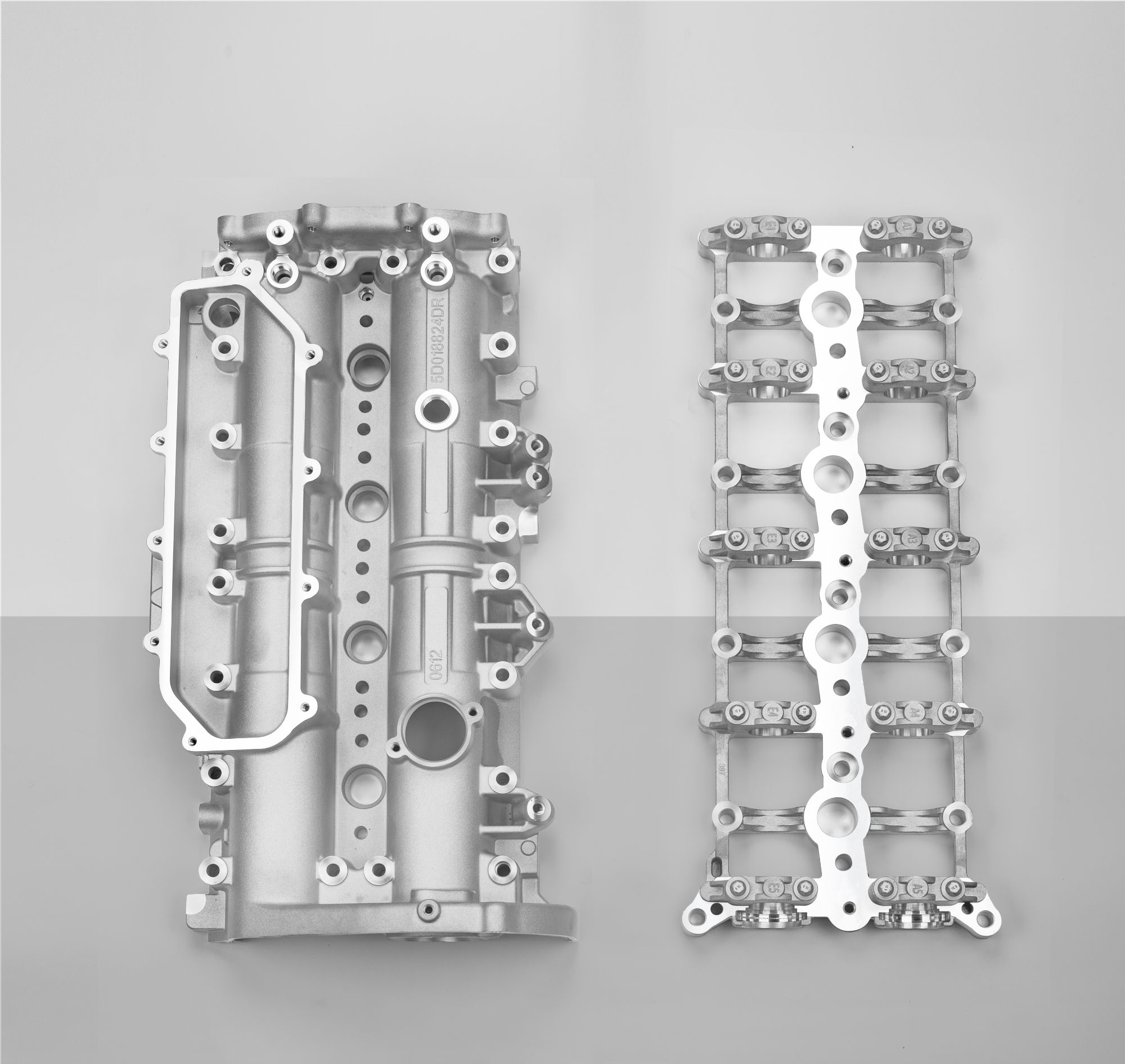
While the immediate benefit of lightweight components is often tied to speed and fuel efficiency, their less obvious advantage lies in how they transform load distribution across a structure. By reducing mass in critical areas, engineers can design systems where stress is more evenly dispersed, effectively extending the lifespan of surrounding materials. This isn't just about shedding kilograms—it's about rethinking the entire dynamics of a build, where each part works in harmony rather than fighting inertia.
Another overlooked strength is the ripple effect on manufacturing agility. Lighter parts often require less robust support frameworks and can be handled with simplified tooling, which in turn lowers assembly complexity and opens the door to more flexible production lines. This adaptability means that changes in design or scale can be absorbed with minimal disruption, giving teams the freedom to iterate without being bogged down by heavy, unwieldy elements.
Finally, the true hidden power emerges in user experience and long-term serviceability. Components that weigh less reduce strain on operators during installation and maintenance, cutting down on fatigue-related errors and improving safety. Over time, the cumulative effect of easier repairs and part replacements keeps systems running longer and more reliably, creating a quiet but profound impact that goes well beyond initial performance metrics.
From Frame to Finish: Aluminum Parts in Action
In the early stages of product development, aluminum’s role often begins with the frame—the skeletal structure that defines form and function. Designers lean on its high strength-to-weight ratio to build chassis, enclosures, and support systems that require minimal mass yet deliver robust performance. Unlike steel, aluminum naturally resists corrosion, so components can withstand demanding environments without heavy protective coatings. The extrusion process allows for complex cross-sections that integrate mounting channels, thermal fins, and wiring paths directly into the frame, simplifying assembly and cutting part count. This foundation sets the stage for systems that must be lightweight, durable, and precise—qualities that aluminum carries through every subsequent manufacturing step.
As a design moves from the structural frame toward the final assembly, aluminum parts become far more than passive supports. In motion-critical applications, aluminum’s low inertia reduces energy consumption in robotic arms, conveyor rollers, and linear guides. Its thermal conductivity draws heat away from electronics, making it a natural choice for heat sinks and enclosures that double as thermal management units. Machinability allows tight tolerances directly from bar stock or cast blanks, so components like valve bodies, bearing housings, and pump rotors achieve sealing surfaces and alignment features without secondary treatments. Anodizing then adds a hard, non-conductive surface that resists wear, accepts dyes for coding, and provides a clean, professional finish that stands up to frequent handling.
The journey from raw frame to a polished, functional end product reveals how aluminum adapts at every stage. Welding and bonding techniques have matured to produce liquid-tight joints and bonded structures that lower assembly weight even further. Surface finishing—whether brushed, bead-blasted, or brightly anodized—transforms a utilitarian part into a tactile, visually appealing element that enhances user perception. By the time the final product ships, the aluminum components have served as the backbone, the precision mechanism, and the cosmetic shell. This complete lifecycle, starting with extruded profiles and ending with refined, field-ready assemblies, shows why the material remains a go-to for engineers who need to turn frames into flawless operational systems.
Engineered for Precision: Milled and Extruded Pieces
Every machined surface and extruded profile tells a story of deliberate control. We don’t just remove material or force it through a die—we engineer each cut, each curve, to meet demands most manufacturers won’t touch. Tolerances are held at levels that make calipers blush, and surface finishes emerge so consistent you’d think the aluminum enjoyed being shaped.
From the initial billet to the final inspection, our approach blends old-school toolmaking sense with modern adaptive toolpaths. Extruded lengths are stretched and straightened with a degree of care that borders on obsessive, while milled components get multiple setup verifications before a chip ever flies. It’s not about hitting a spec sheet—it’s about hitting a sweet spot where design intent meets physical reality without compromise.
Surprising Ways Aluminum Upgrades Your Build
Aluminum often flies under the radar, but it brings a quiet sophistication to any project. Its strength-to-weight ratio means you can cut bulk without sacrificing durability—perfect for frames, enclosures, or structural accents that need to stay rigid yet remain easy to handle. And while steel might slowly surrender to rust, aluminum forms its own protective oxide layer, keeping corrosion at bay even in damp or outdoor settings. It’s the kind of material that lets you design with confidence, not constant maintenance in mind.
Beyond toughness, aluminum can seriously elevate thermal performance. It dissipates heat fast, making it a go-to for heatsinks, LED housings, or any part that runs hot. Anodizing opens up a world of color and texture options too—deep blacks, vibrant reds, or matte finishes that resist scratches and fading. That combination of function and flair means your build can look intentional and polished, not like an afterthought cobbled together from generic parts.
Sustainability is another quiet win. Aluminum recycles almost endlessly without losing its properties, so specifying it supports a more circular material loop. On top of that, it’s unusually happy with modern fabrication methods—laser cutting, CNC routing, even 3D printing with metal powders. Complex geometries become possible without special tooling, so you can iterate quickly and end up with details that feel custom, not compromise-driven.
Crafting Custom Pieces Without the Hassle
Everyone dreams of owning something truly one-of-a-kind, but the path to getting there is often paved with endless emails, confusing choices, and weeks of waiting. It’s no wonder so many people settle for off-the-shelf alternatives that never quite feel right. The hassle of traditional customization shouldn’t stand between you and a piece that reflects your vision.
We’ve reimagined the entire process to put the power back in your hands, without the back-and-forth. Our platform lets you experiment with every detail—materials, proportions, finishes—in real time, so you see exactly what you’re creating as you go. There’s no guesswork and no pressure; just a few straightforward steps that guide you from inspiration to a tangible design in minutes, not months.
The result is a fully tailored piece that fits your life seamlessly, crafted with the kind of care usually reserved for high-end boutiques but delivered on your timeline. No rigid catalogs, no hidden fees, and no creative sacrifices. Just the satisfaction of bringing something unique into the world, minus the usual grind.
FAQ
Aluminum strikes a rare balance between strength and weight, making it a go-to for everything from drone frames to furniture. It's naturally corrosion resistant, easy to machine, and relatively affordable compared to titanium or carbon fiber. Plus, the fact that you can bend it, weld it, or anodize it opens up endless design possibilities.
Without a doubt, the humble aluminum angle bracket. You'll find it in shelving, workbenches, 3D printer frames, and even quick repair jobs. The 90-degree profile and pre-drilled holes mean you can bolt things together in minutes without specialized tools. Stock a few different sizes and you'll wonder how you ever built anything without them.
Think of them as adult building blocks. T-slot aluminum extrusions have channels that accept special nuts, letting you slide components into place and lock them down with a hex key. This means you can build sturdy structures like CNC machines or camera sliders without ever drilling a hole or welding a joint. The modularity also makes it easy to modify your design later.
Aluminum weighs about one-third as much as steel while still offering decent tensile strength. For applications like bike racks, portable stands, or drone arms, that weight saving is critical. You'll also avoid the constant maintenance of painting or rust-proofing that steel demands. On cost, aluminum is often cheaper than stainless steel and far easier to cut with consumer tools.
Start with a set of T-slot extrusions for the chassis, some gusset plates to reinforce the corners, and a selection of L-brackets for mounting motors and sensors. Don't forget a flat aluminum plate for the electronics base and standoffs to keep boards off the metal. This combination gives you a rigid yet adaptable frame that can handle collisions without bending.
They hold up well, but it's not magic. Aluminum naturally forms a thin oxide layer that protects against rust, which is why you see it on boat fittings and window frames. In coastal areas or industrial zones, though, salt and chemicals can cause pitting. Anodizing or powder coating dramatically boosts weather resistance, so treated parts can last for decades outdoors.
Aluminum brackets give you a clean, industrial look while adding rigidity without the bulk of wood blocking. They don't split like timber when you tighten a screw, and you can often bend a bracket slightly during installation to correct for uneven floors. For knock-down furniture, threaded aluminum inserts combined with brackets allow you to assemble and disassemble repeatedly without wearing out screw holes.
Aluminum's thermal conductivity is top-notch for a non-copper metal, pulling heat away from components fast. In high-power LED arrays or motor drivers, a well-designed finned heat sink can double the headroom before thermal throttling kicks in. Extruded profiles let you cut custom lengths, and you can even press-fit them directly onto a processor without a fan if the wattage is low enough.
Conclusion
Aluminum has become the material of choice for countless projects, and for good reason. Its unique combination of high strength and low weight makes it outperform many traditional metals, especially in applications where reducing mass without sacrificing durability is critical. From sturdy frames that hold everything together to intricate finishing touches, aluminum parts prove their versatility across automotive, electronics, construction, and hobbyist builds. The hidden strengths of these lightweight components go beyond mere pounds saved—they also resist corrosion naturally, dissipate heat efficiently, and require less energy to machine, leading to faster production cycles and lower costs. Whether it's a heat sink cooling a high‑powered circuit or a structural bracket holding up a solar panel array, aluminum delivers reliability in demanding environments.
Modern manufacturing techniques like CNC milling and extrusion have opened up even more possibilities, allowing for precisely engineered parts that fit like a glove. Milled aluminum pieces offer tight tolerances and complex geometries, while extruded profiles can be cut to length for frames, rails, and enclosures—making custom builds far more accessible. The ability to anodize or powder‑coat aluminum also adds aesthetic appeal and an extra layer of protection, transforming ordinary components into polished, professional‑looking elements. Surprisingly, small design upgrades such as swapping steel fasteners for aluminum ones can reduce overall system vibration and improve performance in dynamic applications. Furthermore, crafting custom aluminum parts no longer requires a massive investment; rapid prototyping and short‑run machining services allow inventors and small businesses to iterate quickly without the typical hassle associated with metal fabrication. From prototyping a new drone chassis to repairing a vintage motorcycle engine cover, aluminum parts offer an unmatched blend of practicality and potential, proving that they are indeed essential for almost any project.
Contact Us
Contact Person: Shelly
Email: [email protected]
Tel/WhatsApp: 8613967667688
Website: https://www.yongyu.com/