

Wardrobe Rail Distributor: What Questions Should You Ask Before Placing a Bulk Order?
2026-09-05
Bulk ordering wardrobe rails seems simple until the wrong finish or flimsy brackets show up. Before you commit to a distributor, the questions you ask about plating, load ratings, and lead times can save you from costly returns. At Peak Fasten, we've learned that these upfront checks make all the difference—here's where to start.
What Are the Real Minimum Order Quantities and Tiered Pricing?
Listed MOQs often serve as a starting point rather than a fixed wall. If you ask directly, many suppliers will accept a smaller trial order, though they may adjust the unit price, add a setup fee, or request a shorter payment window to cover the inefficiency of a short production run. The real minimum depends on the product type, the factory's current capacity, and how eager they are to fill a gap in their schedule.
Tiered pricing rarely follows a clean, uniform discount curve. A drop from 500 to 1,000 units might shave only a few cents, while jumping to 5,000 units could cut the price sharply because that volume aligns with a full raw material batch or a longer uninterrupted machine run. Suppliers build these tiers around their own cost breakpoints, not round numbers that just sound good in a catalog.
To find the actual numbers, skip the published price list and request quotes for two or three quantities you can realistically handle. Ask what changes at each level beyond price—lead time, packaging, quality checks, or payment terms. Compare the full cost per unit across suppliers, and don't assume a lower MOQ always wins. Sometimes a higher upfront order gets you a per-unit price low enough to offset storage or cash flow concerns.
Which Coatings and Materials Hold Up Beyond the Showroom?
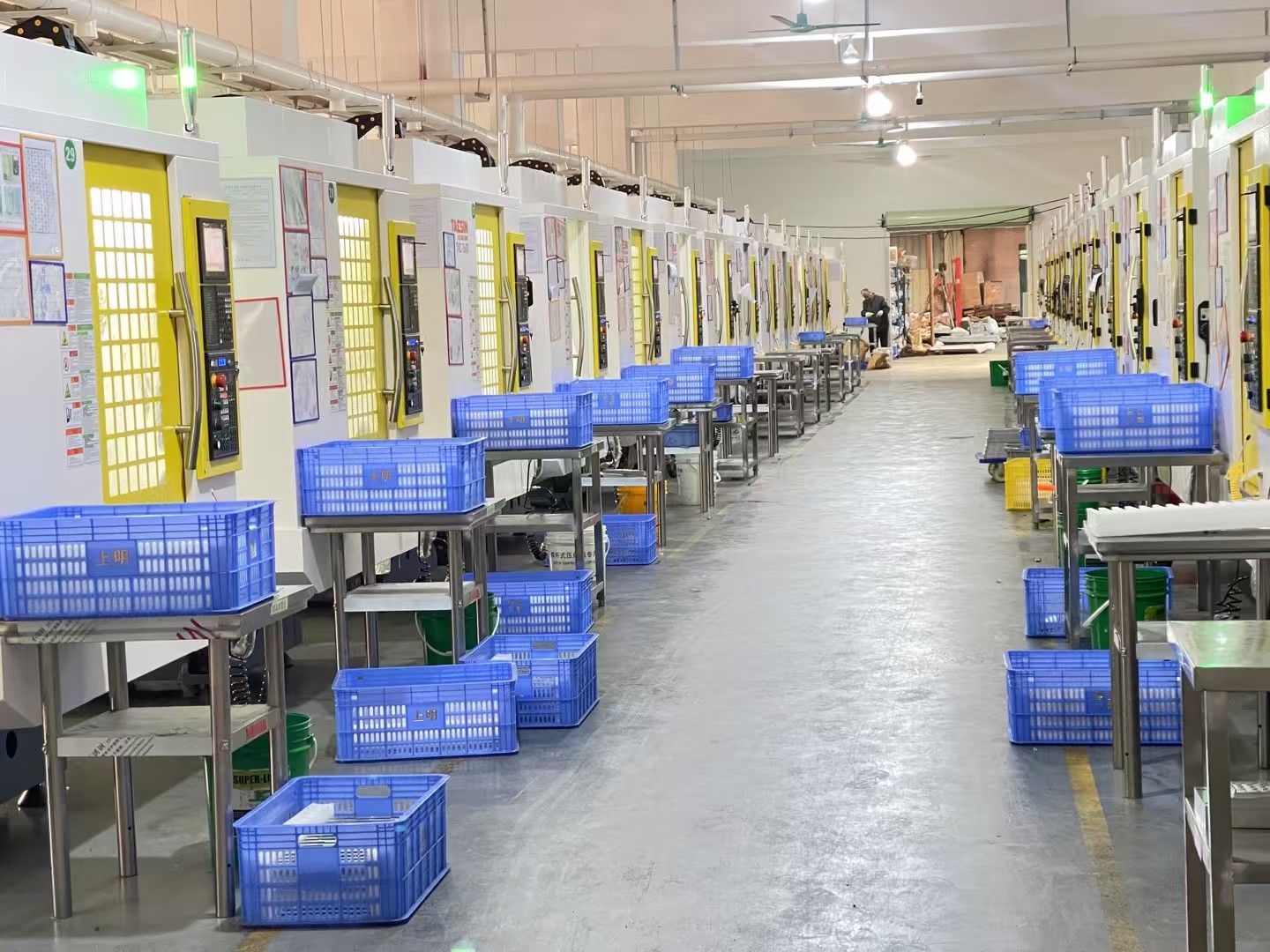
Showroom floors gleam under carefully aimed lights, but real life scuffs, spills, and sun-bleaches everything in its path. Powder-coated aluminum, for instance, shrugs off salt air and harsh cleaners far longer than a glossy wet-paint finish on steel. Meanwhile, marine-grade stainless hardware and UV-stabilized polymers quietly outperform their budget counterparts once they leave the controlled climate of a display hall.
Think beyond the initial shine: anodized titanium keeps its muted luster after years of key scratches, while a thick porcelain enamel surface resists graffiti and acid rain without fading. On the flip side, some “premium” lacquers and thin veneers start peeling within a season of direct sunlight or frost. The real test is not how a material looks under a spotlight, but how it handles a dropped tool, a spilled coffee, and ten summers of afternoon heat.
Materials like high-density polyethylene (HDPE) outdoor furniture and through-color composite decking hold their tone because pigments run all the way through, not just on the surface. Ceramic-reinforced epoxy coatings on concrete shrug off forklift traffic and chemical washes in warehouses. If a coating or substrate only survives the showroom, it is theater—not engineering.
How Much Weight Can Each Rail Carry Before It Sags?
Most standard closet rods made from 1-inch steel tubing will start to show noticeable deflection somewhere between 50 and 80 pounds if the weight is concentrated in the middle of a 4-foot span. Aluminum rails tend to bend earlier, usually around 30 to 45 pounds under the same setup. The number shifts a lot based on how the rail is supported: a center bracket can nearly double the safe load, while flimsy end mounts reduce it even before the metal itself fails.
For heavier garments like winter coats or stacked denim, a good rule of thumb is to keep the total load under 40 pounds per 3 feet for most home rails. If you need more, look for rails with a thicker gauge or reinforced wood, and avoid hanging everything in one tight cluster. Spreading items along the full length keeps sagging at bay far better than adding extra hooks.
Can You Handle Custom Lengths Without Inflating the Price?
Most suppliers treat non-standard sizing as an excuse to tack on hefty surcharges. We don't. Our production line is built around adjustable cutting and assembly, which means a 137 cm aluminum extrusion costs us no more in labor than a 120 cm one. You pick the length you need, we program the equipment accordingly, and the per-unit price stays flat.
That also means you never have to buy more than the project requires or settle for a stock size that forces awkward joins. Whether it's a short run of display rails or a full batch of custom frames, you'll see the same transparent quote with no hidden “customization fees” buried in the fine print.
How Long Will the Entire Bulk Order Actually Take?
For most bulk orders, the actual production run is quicker than people expect—once materials are locked in and the factory slot is confirmed, you're usually looking at two to four weeks. That window covers cutting, assembly, finishing, and quality checks. If your order involves heavy customization, like embossed logos or non-standard sizing, add another week or so, because those steps often require tooling adjustments or hand-finishing that can't be rushed.
Then there's the part that surprises many buyers: freight. Domestic shipping might only take a few days, but international bulk shipments can add anywhere from ten days to over a month depending on the port, customs clearance, and whether you're using air or sea freight. Sea freight is cheaper but slower, and a single customs hold can eat up a week without warning. So if you're planning a launch or event, it's smarter to work backward from your deadline and pad the schedule by at least ten days.
In practice, a straightforward bulk order with standard specs and domestic delivery can be completed in three to five weeks total. A fully custom international order might stretch to eight or ten weeks. The key is to confirm the factory's current production queue before you pay the deposit—some workshops quote a short lead time but are already booked solid, which pushes your order to the back of the line.
What Happens When Rails Show Up Bent or Finish Is Flawed?
A bent rail isn't just a cosmetic annoyance—it can throw off the entire geometry of your installation. Whether it's a slight kink from shipping or a more noticeable bow, the moment you try to mount it, you'll notice gaps where the rail should sit flush against the wall or brackets. This forces you to either over-tighten screws (risking stripped threads or cracked mounting points) or shim behind the rail to fake a straight line, which never looks quite right and can compromise holding strength over time.
Flawed finishes are their own headache. Scratches, uneven powder coating, or discoloration from poor handling become glaringly obvious once the rail is up in natural light. You might think a scratch can be touched up, but matching the exact texture and sheen is nearly impossible. Worse, if the finish is already compromised, it's a red flag for durability—thin spots will start to rust or wear through much faster, especially in bathrooms or kitchens where moisture and cleaning chemicals are always present.
Sometimes the flaw isn't visible until the rail is fully installed. A rail that's slightly twisted will cause the towel or robe to hang crooked, and every time you glance at it, your eye goes straight to the imperfection. Returning a rail that's already been mounted is a hassle—you've drilled holes, maybe patched drywall, and now you have to undo everything. Quality control should catch these issues before they leave the factory, but when it doesn't, the burden falls on you to spot the defect early and document it before installation.
FAQ
Dig past vague labels like 'stainless steel' and ask for the exact grade and wall thickness. A 201-grade tube with a 0.6 mm wall behaves very differently from a 304-grade tube with a 1.0 mm wall in terms of denting during transport and rigidity once mounted. Request tolerance ranges and mill certificates rather than relying on a sales sheet.
Surface treatments vary widely—cheap powder coating can flake at the cut ends while anodized aluminum or electroplated steel resists daily wear. Ask for a simple scratch test video or a sample you can scrape with a key. If the rails will be used in humid bathrooms or coastal homes, also ask for the salt spray test hours.
Many distributors only stock fixed lengths, which can force you to cut on site and hope the end caps still fit. Clarify whether they can cut to your exact dimensions, what the cutting tolerance is, and whether the quote includes matching end caps, wall brackets, or flanges. A small mismatch in accessory fit will generate returns.
A generic '30 days' often stretches when material shortages or holiday shutdowns hit. Ask for recent order histories or a realistic range instead of a single number. Also discuss whether partial shipments are possible so you can start selling while the rest of the container is still in production.
Rails are prone to bending and surface damage if packed loosely. Ask whether each tube is individually sleeved or separated, how many pieces go into a carton, and whether pallets are reinforced. Then pin down the exact claim process for transit damage—free replacement, credit note, or your own insurance—before signing.
Photos hide rough weld seams and thin coatings. Insist on physical samples that include a cut section so you can see wall thickness and internal finish, plus chips showing each color or texture. Ask if the sample fee is refunded against the bulk order and how quickly they can dispatch it.
Even a slight bow in a wardrobe rail makes installation painful and looks cheap. Ask what straightness tolerance they guarantee per meter and whether welds are ground smooth or left visible. If possible, request a random inspection report from a recent batch so you can see the rejection rate.
Conclusion
Before committing to a bulk wardrobe rail order, dig into the real minimum order quantities and how tiered pricing shifts as your numbers climb. Some distributors advertise low MOQs but quietly penalize smaller runs with inflated per-unit costs, while deeper volume unlocks discounts that may not be spelled out. Ask for a written breakdown of price breaks at 100, 500, and 1,000 units, and clarify whether mixing finishes or lengths affects the tier. Equally important is understanding which coatings and base materials will survive constant sliding and humidity. A showroom-shiny chrome can flake after two months in a humid closet, so request sample rails finished with the exact process you’ll receive—powder coat, anodized aluminum, or stainless steel—and verify the salt-spray test hours. Weight capacity is another silent killer: a rail rated for 30 kg per meter may sag under heavy winter coats or layered hangers. Get the deflection specs at maximum span, not just the marketing number, and test a prototype with actual garments before signing.
Custom lengths often trigger hidden setup fees or force you into awkward standard increments, so confirm whether the distributor truly cuts to the centimeter or merely repackages stock sizes at a premium. Ask for a full quote on a 1.37-meter rail versus a 1.5-meter one to expose markup logic. Lead time is equally slippery: a promised three-week turnaround can stretch to eight if the distributor’s overseas mill is backlogged, so request a production schedule with buffer days and a penalty clause for late delivery. Finally, nail down the replacement policy for damaged goods before you pay. If rails arrive bent from freight or the finish has scratches, how quickly are replacements shipped—and who covers return freight? A distributor that requires you to file claims with the carrier instead of sending a replacement order immediately is one to avoid for bulk purchases.
Contact Us
Contact Person: Mason Lv
Email: [email protected]
Tel/WhatsApp: +86 13027998452
Website: https://www.peakfastentech.com