

Wholesale Veterinary GS-441524 Injection: A Practical Buying Guide for Clinics
2026-11-16
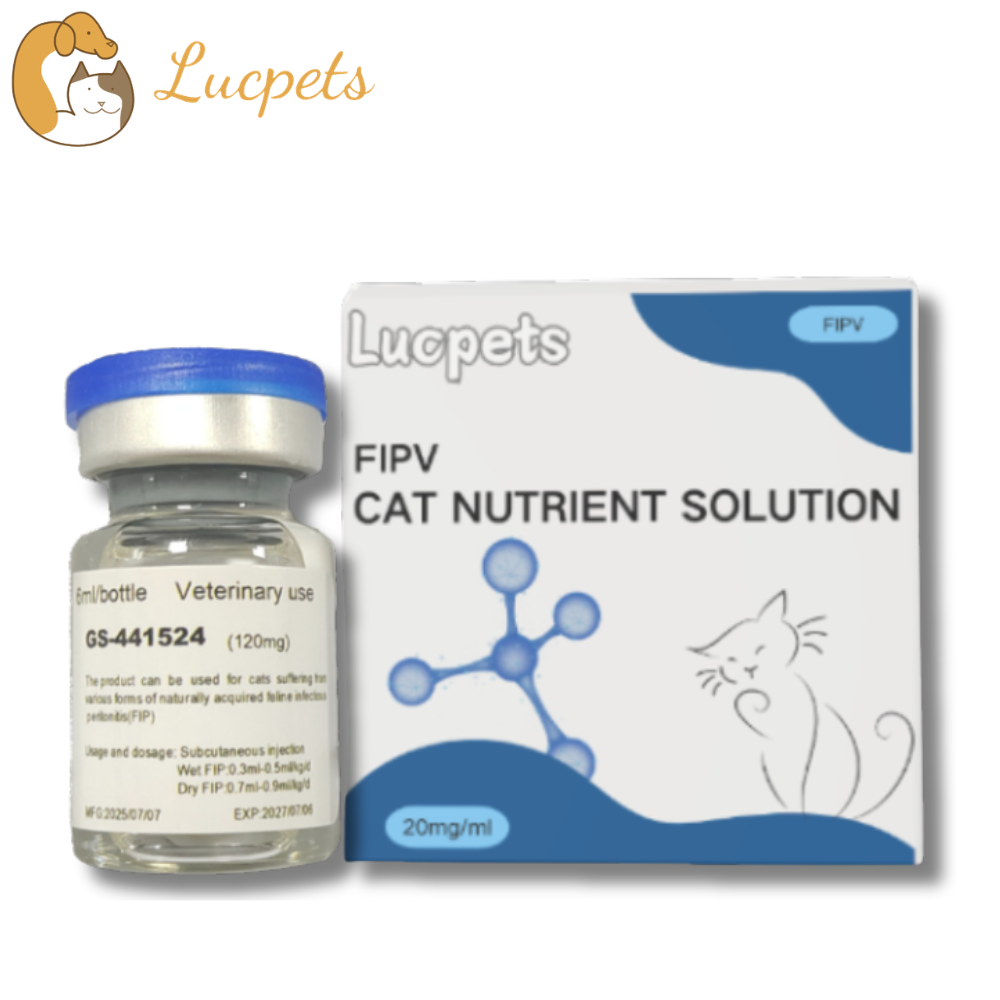
Stocking GS-441524 for your clinic shouldn't feel like a gamble. This practical buying guide breaks down what actually matters—batch consistency, wholesale pricing, and reliable supply—so you can treat FIP patients with confidence. Whether you're comparing suppliers or ready to order in bulk, Lucpets offers transparent wholesale options worth a closer look.
Bulk GS-441524 Orders That Don't Collapse Under Real-World Use
Bulk GS-441524 orders tend to fail in ways that have nothing to do with the molecule itself. Vials arrive with inconsistent fill levels, stoppers crack after a few punctures, and moisture creeps in because someone skimped on desiccant. If your protocol depends on pulling precise doses day after day, those small defects turn into dosing errors long before the third week of treatment. The batch that looks fine on a spreadsheet rarely survives contact with a busy clinic shelf.
What actually holds up is packaging designed for repeated access, not for a single lab snapshot. Dark glass that blocks UV instead of clear vials that flatter the solution's color, crimped seals that stay tight after twenty needle draws, and a lyophilized cake that keeps its structure even when the fridge door gets opened more times than anyone planned. Real-world use also means the box gets moved between rooms, left near a sunny window, or handed to a stressed owner who refuses to refrigerate properly. The order either tolerates that or it doesn't.
A supplier worth bulk ordering from will send a few trial vials and let you abuse them before you commit. Weigh the powder, reconstitute with cold sterile water, puncture the stopper daily for two weeks, then inspect for rubber coring or pH drift. If the batch still doses cleanly after that, it has a chance in the field. Most don't, and that's why most bulk purchases quietly become expensive lessons.
Decoding Supplier Purity Claims Without a Lab of Your Own
Most supplier purity claims fall apart under one simple test: ask how the number was obtained. A legitimate supplier will mention a specific analytical method—HPLC, GC-MS, or titration—and be able to explain why that method suits the material. Vague phrases like “lab verified” or “99% pure” without a certificate of analysis are red flags, but even a certificate can be recycled. Push for batch-specific data and the name of the testing lab. If they hesitate or give you a marketing line, that hesitation is your first real data point.
You can also cross-check purity indirectly through physical and chemical behavior. For powders, particle size distribution and solubility in a known solvent often shift when fillers or isomers are present. A melting point range wider than a couple of degrees suggests contamination. Compare the material against a reference sample you trust—color, odor, and texture can reveal adulterants that a forged purity sheet hides. None of these replace a lab, but together they build a picture that makes false claims hard to sustain.
Finally, map the supplier’s reputation through channels that don’t rely on their own marketing. Ask for customer references in your industry, check how they handle batch traceability, and see if they’re willing to send a sample for third-party testing at your expense. A supplier confident in their purity will rarely object to independent verification. The ones who push back, demand upfront payment before samples, or claim their process is “proprietary” are telling you more about their purity than any datasheet ever will.
The Hidden Costs of Cheap Wholesale Antiviral Pricing
When wholesalers slash antiviral prices to rock-bottom levels, the immediate savings look irresistible on a procurement spreadsheet. But the true expense often surfaces later in ways that never appear on the invoice. Warehouses cutting corners on temperature-controlled storage end up with degraded efficacy, forcing pharmacies to discard entire batches. Hospitals that chase the cheapest tender find themselves locked into supply contracts where shortages trigger emergency purchases at triple the original cost. The low sticker price quietly transfers risk onto every link in the distribution chain.
Beyond logistics, there is a subtler drain tied to quality assurance. Manufacturers squeezed by thin margins scale back batch testing or source raw materials from unvetted suppliers. A single contaminated lot can trigger regulatory holdbacks, patient recalls, and legal exposure that dwarf any upfront discount. Clinics that built their stockpile on bargain antivirals often discover they have purchased a false economy: the medication exists on paper but fails when a real outbreak demands dependable potency.
The hidden costs also ripple into public trust. Patients who receive a substandard generic during flu season may lose confidence in antiviral treatment altogether, delaying future care and increasing community transmission. Pharmacies stuck explaining why a discounted drug is suddenly unavailable face reputational damage that no line-item budget can repair. Cheap wholesale pricing, in the end, is not a saving but a deferred bill that arrives when the system can least afford to pay it.
Cold Chain Gaps That Turn Vials Into Liabilities
A refrigerated truck sits idle on the apron, its diesel reefer humming while the onboard data logger has gone dark. The pallet of thermolabile vials that left the manufacturer at 3.2°C now drifts past the upper threshold because a warehouse handoff at 2 a.m. skipped a simple continuity check. That single unnoticed excursion doesn't just ruin a batch—it triggers quarantine holds, health authority notifications, and a six-figure write-off that no one budgeted for.
The worst gaps often hide in transfer zones: a customs broker parks a container in the sun for two hours; a hospital receiving dock leaves a shipper on a metal cart while paperwork is signed. Phase-change materials melt, but the temperature indicator inside is either missing, expired, or ignored. Staff assume the passive packaging bought more time than it did, and by the time the vials are unpacked, their potency has already faded into a liability.
What turns a cold chain inconvenience into a real liability is the absence of redundant monitoring and clear disposition rules. When one logger fails and the next isn't activated until scanning, the gap becomes a legal and clinical problem, not just an operational one. Vials that should have been assets become hazardous waste, and the argument over which partner broke the chain costs more than any insurance premium.
Import Paperwork That Keeps Your Clinic Out of Legal Trouble
Every clinic runs on trust, but trust alone doesn't hold up in court. The moment a patient dispute arises, missing or poorly organized import paperwork can turn a manageable issue into a serious liability. From customs declarations to supplier invoices, each document tells a story about where your equipment and products came from, whether they met safety standards, and who is ultimately responsible for their quality. Without a clear paper trail, you're left defending decisions you can't easily prove.
Start by separating active import files from archived ones. Keep current shipment records, certificates of origin, and inspection reports within arm's reach, while storing older files in a clearly labeled system that your whole team understands. A simple checklist per shipment—date of arrival, batch numbers, customs clearance code, and any discrepancies noted—can save hours of searching later. Make a habit of scanning physical documents the same day they arrive, so a spilled coffee or a misplaced folder never becomes a legal weak point.
The goal isn't just compliance; it's peace of mind. When an auditor calls or a lawyer requests evidence, you want to hand over a neat, complete file without hesitation. Think of import paperwork as the clinic's immune system: quiet when everything runs smoothly, but absolutely essential when trouble strikes. And because regulations shift, schedule a quick quarterly review with your office manager to flag any new requirements before they catch you off guard.
Vetting Vendors Beyond the First Polished Sales Pitch
A polished first meeting tells you almost nothing about how a vendor will perform when deadlines slip and requirements shift. Real vetting starts by requesting a list of clients who left within the first year. Their reasons often reveal more than any reference call—slow response times, hidden fees, or a support team that evaporated after the contract was signed.
Next, hand the vendor a small, time-boxed task that closely mirrors a real challenge your team faces. Pay attention to how they clarify scope, whether they push back with thoughtful questions, or just nod and promise delivery. A vendor who asks hard questions up front usually has enough confidence to admit when something isn't working later on.
Finally, look at how they behave when you're not in the room. Ask to sit in on one of their internal planning sessions, or request a walkthrough of their escalation process. If the polished sales lead disappears and the actual project team can't explain how they handle missed milestones, that first pitch was just theater.
FAQ
Focus on third-party batch testing, clear documentation of purity and sterility, and a willingness to share certificates of analysis. A dependable supplier will also offer consistent vial sizes and stable pricing across reorders, not just a one-time discount.
Common concentrations range from 15 mg/mL to 20 mg/mL, and the choice influences how much volume you inject per kilogram of body weight. Higher concentrations reduce injection volume, which can make daily shots easier on both cats and owners, but you need to recalculate doses carefully to avoid errors.
Yes. Many vials require cool, dark storage and should not be frozen or exposed to direct sunlight. Once a stopper is punctured, the remaining solution typically has a limited window for use, so staff should label opened vials with the date and follow the manufacturer's stability notes.
Formulations with pH closer to physiological range and lower osmolality tend to cause less stinging, swelling, or post-injection discomfort. Requesting this data from a wholesaler can help you pick a product that owners are more likely to administer consistently at home.
Multi-dose vials can cut per-patient costs and reduce packaging waste, but they demand stricter aseptic technique. If your clinic treats multiple cats weekly, the savings may justify the extra care; for occasional cases, smaller vials reduce contamination risk.
Watch for hidden costs like shipping, customs handling, or payment fees that make a low sticker price less appealing. Also confirm whether the quoted price includes the actual concentration you need—some suppliers list per-milliliter prices that shift once you specify a higher strength.
Yes, because raw material sources and manufacturing conditions can change between production runs. A COA for each batch gives you a paper trail for purity, endotoxin levels, and sterility, which protects your clinic if a patient has an unexpected reaction.
Start with a smaller trial order to verify the product's stability and your actual usage rate. Then calculate reorder points based on the number of active FIP patients, injection volume, and expected treatment duration, rather than buying the largest package just because the unit price is lower.
Conclusion
Clinics buying GS-441524 in bulk quickly learn that a low per-vial price means nothing if the product fails halfway through a treatment course. Suppliers love to tout 99% purity, but without an in-house lab, you're relying on their word. Ask for batch-specific third-party chromatograms and cross-check the lot numbers against the actual shipment. Cheap wholesale antiviral pricing often hides surcharges—repackaging fees, short-dated stock, or diluents that aren't included. One clinic I know ordered a pallet only to discover the vials were underfilled by nearly 15%. That's not savings; that's a liability.
Then there's the moment the shipment arrives warm because a distributor skimped on cold packs. GS-441524 degrades fast outside its temperature window, and a broken cold chain turns entire boxes into unusable inventory. Insist on temperature data loggers in every carton and a written policy for replacements. On the paperwork side, veterinary-use import rules vary by country; a missing FDA import permit or customs declaration can strand your order for weeks—or get it seized. Vet vendors the way you'd vet a new hire: call previous clinic clients, ask for a sample vial from the same batch you'd receive, and watch how they handle a complaint. If they only shine during the sales pitch, walk away.
Contact Us
Contact Person: Aaron
Email: [email protected]
Tel/WhatsApp: +86 18177165140
Website: https://www.lucpetsglobal.com