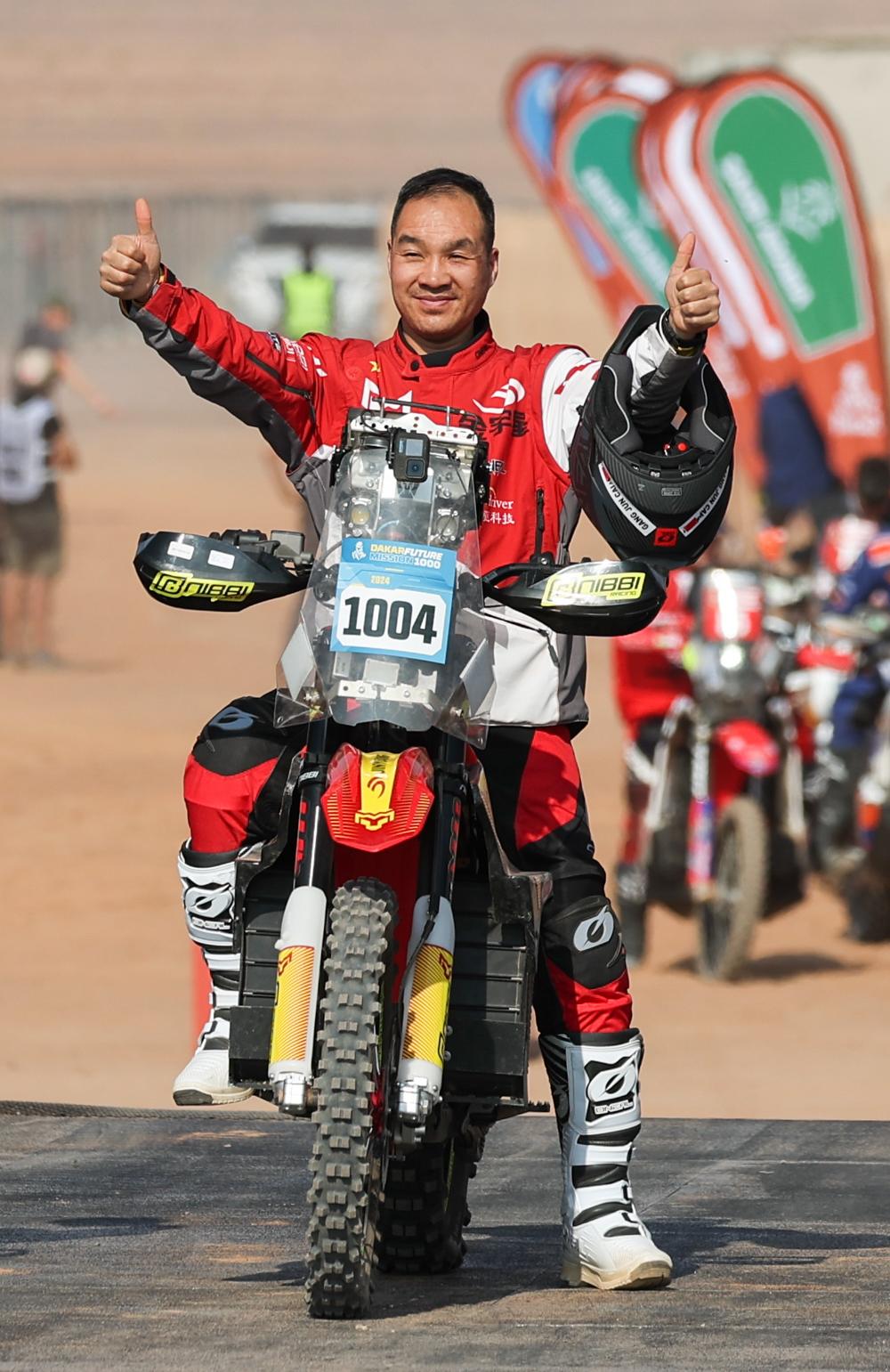

XF Pro Electric Dirt Bike Factory Sets New Standards in Off-Road Manufacturing
2026-11-16
Most factories build bikes. Arctic Leopard's XF Pro electric dirt bike factory builds expectations—then smashes them. The moment you see the precision, the power, and the sheer audacity of the production line, you realize the off-road world just shifted. Here's why this isn't just another electric bike story.
Electric-First Assembly, Not a Converted Gas Line
Designing from the ground up changes everything about how a vehicle behaves. Instead of forcing batteries and motors into a chassis originally meant for an engine, exhaust, and fuel tank, the entire layout prioritizes flat floors, long wheelbases, and clever packaging. That means more legroom, a lower center of gravity, and space for things a converted gas car simply cannot offer, like a front trunk or a truly open cabin.
This approach also impacts safety and durability. Without a bulky transmission tunnel or engine mounts in the way, engineers can reinforce the passenger cell more effectively and position the battery pack as a structural element. The result is a stiffer body that handles impacts better and ages more gracefully than a retrofit, where added weight often stresses components never designed for it.
The difference shows up in daily use, too. Thermal management, charging speed, and even the way the suspension responds to uneven roads all benefit from an integrated design. A converted gas line often feels like a compromise; an electric-first platform feels like the car was always meant to be electric.
Battery Protection Designed for Crashes and Stream Crossings
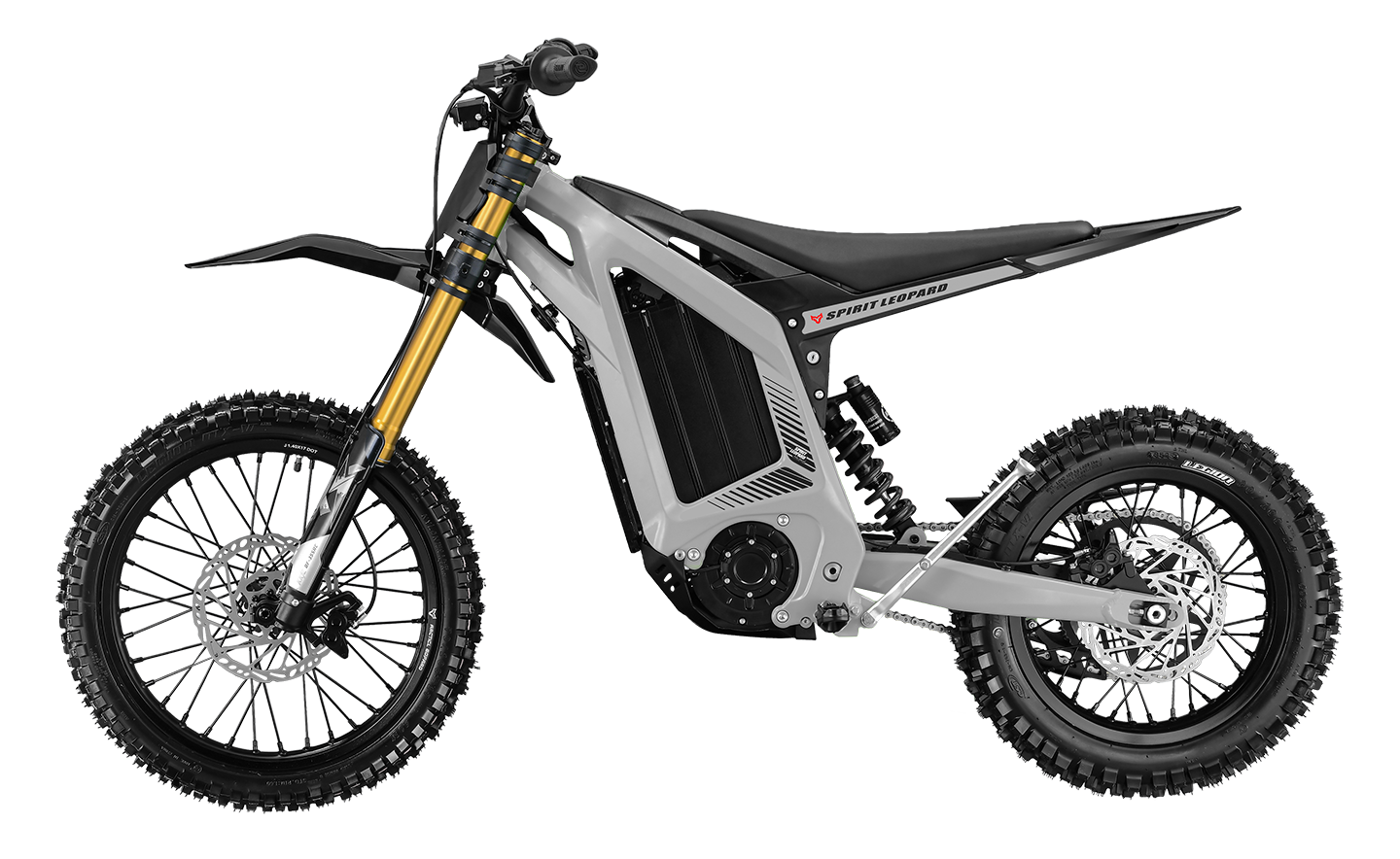
The battery enclosure isn't just a box—it's a load-bearing shell that redirects impact energy away from the cells. In a collision, crumple zones deform predictably while the pack remains isolated, preventing intrusion into the passenger area and keeping terminals from shorting. The mounting points are reinforced to handle lateral and vertical forces, so even a side hit at an intersection won't compromise the pack's integrity.
Sealed to IP68 standards, the pack can be fully submerged for short periods without water reaching the busbars or cooling channels. The breather valve equalizes pressure during rapid temperature changes while blocking moisture, and the high-voltage connectors use double-lip gaskets. Before any stream crossing, the battery management system runs a quick isolation check—if a seal is compromised, it derates power and warns the driver rather than risking a short.
Every prototype undergoes a torture regimen: pole impacts, underbody strikes, and repeated saltwater fording cycles. The goal isn't just survival but maintaining full range and charge speed afterward. That's why the cooling plates are sandwiched between layers of impact foam, and the cell-to-pack welds are inspected with ultrasonic scans—so a dented skid plate doesn't turn into a slow battery failure months down the trail.
Torque Maps Dialed in by Actual Off-Road Test Riders
The throttle response on loose shale or deep sand rarely matches what a dyno chart suggests. That gap is why the torque maps here were shaped by riders who spend weekends picking lines through rock gardens, not just engineers staring at simulation software. Low-speed grunt gets a softer initial ramp, so the rear tire hooks up instead of digging a hole when you crack the throttle on a loose climb.
Mid-range delivery leans harder into the kind of surge you need to lift the front wheel over a ledge without a run-up. But the map doesn't just turn everything up: in wet clay or off-camber roots, a more progressive curve lets you meter out exactly how much drive reaches the ground. Each revision was tested until the bike felt predictable in places where a sudden spike in torque means a sideways landing.
The Frame Jig Precision That Keeps Wheels Tracking Straight
A frame jig earns its keep the moment a chassis begins taking shape. Instead of relying on eyeballed measurements or tack welds pulling under heat, the jig locks every critical point—steering head, swingarm pivot, engine mounts, and axle plates—into a fixed relationship. That rigidity is what stops a frame from twisting even a few millimetres out of line. When the wheels end up perfectly parallel, it isn't luck; it's the jig refusing to let the tubes move until the last weld has cooled.
Small errors at the jig stage turn into persistent handling quirks later—bikes that drift left under braking or chew through tires unevenly. A well-built jig doesn't just hold parts still; it makes the tolerances repeatable across every frame that comes off it. That repeatability matters more than any single straight build. If the fixture itself is straight and the clamping points are machined to match the design, the wheels will track true without needing to compensate with eccentric adjusters or uneven spacers.
Powder Coating and Corrosion Testing for Wet, Muddy Seasons
When equipment rolls through months of standing water and sticky mud, standard corrosion testing rarely tells the whole story. Powder coatings that look perfect after a 500-hour salt spray test can fail within weeks on a farm tractor or forestry skidder. The real challenge comes from wet-dry cycling combined with abrasive mud packed into crevices, which creates a microenvironment far more aggressive than any laboratory fog chamber. Field data from agricultural cooperatives shows that coating failures in these seasons often start at edge coverage points or where fasteners create slight discontinuities, not across open flat panels.
A practical approach pairs cyclic corrosion testing with actual mud adhesion trials. Instead of relying solely on ASTM B117, shops working on equipment for wet regions increasingly use modified GMW14872 or ISO 16701 cycles that include a drying phase after salt application, followed by a controlled mud slurry dip. The key metric shifts from simple rust creepage to adhesion retention after repeated freeze-thaw and mud-crust removal. One effective field-correlated method involves applying a standardized clay-soil paste, allowing it to dry for 24 hours, then using a low-pressure water jet at a fixed angle to measure how much coating comes off with the mud. Coatings that pass this test tend to have higher crosslink density and better wetting of the zinc phosphate pretreatment layer.
Maintenance crews in muddy environments also report that darker colors and textured finishes hide early corrosion longer, which makes proactive inspection critical. Rather than waiting for visible rust, operators can use a simple adhesion tape pull on high-wear areas like fender undersides and hitch receivers after each wet season. If more than five percent of the tape shows coating transfer, it is time to schedule touch-up or recoat. Powder formulators are now adding hydrophobic fumed silica and micronized waxes to improve mud release, but these additives only work if the base resin system resists hydrolysis. Ultimately, selecting a powder coating for wet, muddy service means testing beyond the spec sheet and paying attention to how the coating behaves under a crust of dried silt.
The Pre-Delivery Ride Report Every XF Pro Must Pass
Before an XF Pro is cleared for delivery, a mechanic takes it through a mixed-surface test loop behind the shop—tight switchbacks, a rooty climb, and a hard gravel stop. Every shift, brake pull, and suspension stroke gets logged in the ride report, with notes on any lag or noise. If the derailleur hesitates under load or the fork feels sticky at mid-stroke, the bike goes back to the bench until the issue is gone.
The report also records tire pressure before and after the loop, rotor heat after a max-effort stop, and final torque on the stem bolts once the headset settles. Each XF Pro ships with that signed report tucked under the top tube, so the new owner sees exactly how the bike performed on its first real ride before it ever reaches their door.
FAQ
They realized most off-road electric bikes were adapted from street models, so the chassis and suspension mounting points were never optimized for rock strikes and deep ruts. XF Pro redesigned the frame jig to hold tighter tolerances while still allowing hand-welded reinforcement in high-stress areas.
Instead of relying solely on passive air cooling, each motor casing is paired with a phase-change thermal pad that draws heat into the skid plate. The plate itself has micro-channels that use airflow from the wheels to dissipate heat without adding a radiator or pump.
Every production unit is mounted on a servo-hydraulic rig that cycles the suspension through 200,000 compressions while the drivetrain runs at full torque. After that, a technician rides it over a short obstacle course with logs, sand, and a water crossing, checking for loose spokes and motor seal leaks.
The main frame uses a heat-treated chromoly steel with thinner wall thickness than typical dirt bikes, while the swingarm is forged from 7075 aluminum. That combination keeps the center of gravity low and lets the rear end flex predictably under side loads instead of cracking.
Each cell is held in a flexible silicone lattice that isolates vibration, and the bus bars are laser-welded with a slight wave pattern rather than a straight line. This allows the pack to absorb drops and roost from other bikes without tearing internal connections.
They switched to a closed-loop cutting system for plastic body panels, regrinding sprues and offcuts back into the raw material feed. Metal shavings from CNC work are separated by alloy and sent directly to a local foundry instead of being mixed in general scrap bins.
Small batches let the torque calibration team adjust motor mapping based on feedback from the previous batch's field tests. If a particular batch shows a spike in chain slap or controller faults, the line stops and the issue is fixed before the next batch starts, rather than letting defective units pile up.
Conclusion
The XF Pro starts as an electric motorcycle from the ground up, not a gas chassis retrofitted with a motor. Its assembly line is built around the battery and drive unit, which changes how every bracket, cable and cooling channel is routed. The battery pack sits inside a reinforced cradle designed to shrug off rock strikes and full submersion during stream crossings, with sealed connectors and impact-tested housing. Riders who actually race and trail-ride in rough terrain helped dial in the torque maps, so power delivery doesn't feel like an on-off switch—it ramps smoothly over loose climbs and cuts cleanly when the rear wheel starts to slide. The frame itself is held in a multi-point jig during welding, keeping the steering head and swingarm pivot aligned within fractions of a millimeter; that means the wheels track straight even after repeated hard landings.
Before any XF Pro leaves the factory, every surface is powder coated and then put through accelerated corrosion cycles that mimic wet, muddy seasons—salt spray, high humidity and abrasive mud baths. This isn't a cosmetic coating; it's a layered barrier on the frame, subframe and motor mounts. The final step is a pre-delivery ride report: a technician takes each bike over a short off-road loop with embedded obstacles, checks for any unusual noise or flex, logs suspension settings and torque response, and signs off only when the bike meets a fixed threshold. That individual attention turns the XF Pro from a spec sheet into a proven machine before it reaches the customer. The result is a factory process where electric-first design, rider-informed calibration and real-world finishing standards replace the usual shortcuts.
Contact Us
Contact Person: Jack
Email: [email protected]
Tel/WhatsApp: +86 15657688888
Website: https://www.arctic-leopard.com